
03Nov
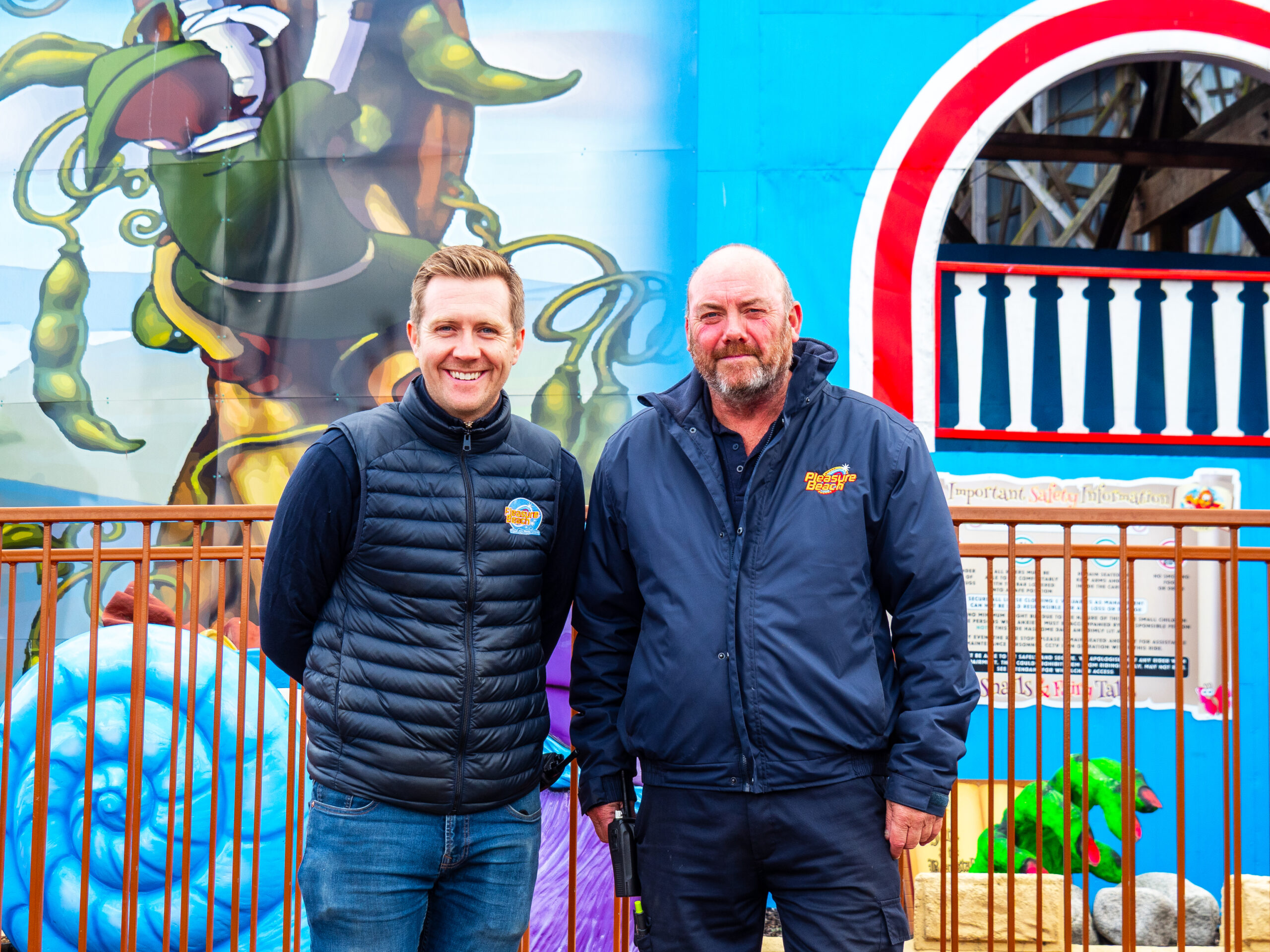
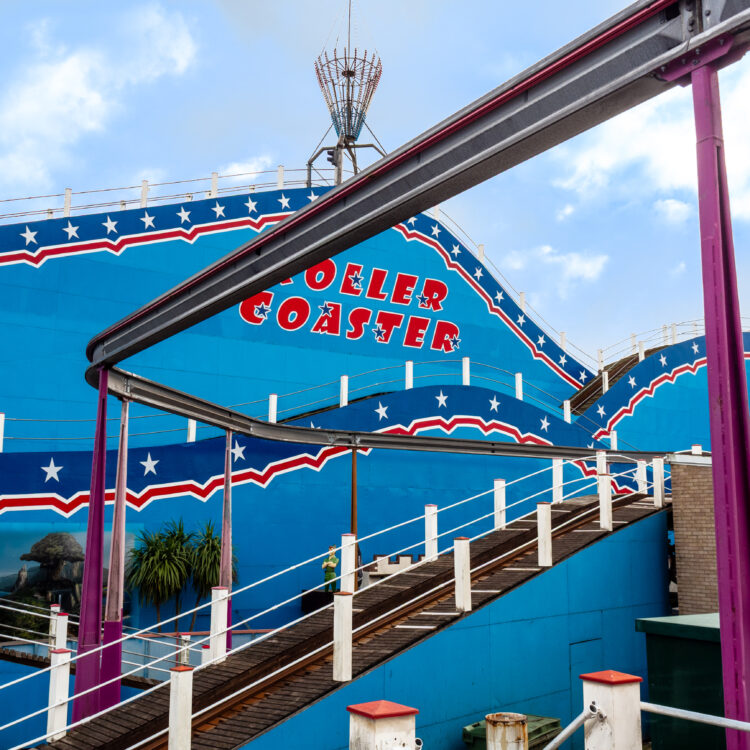
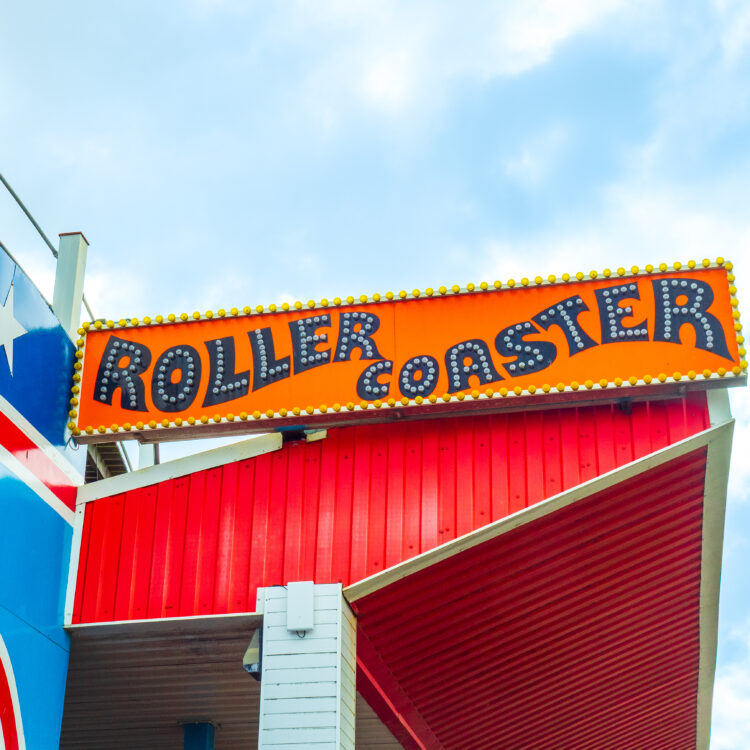
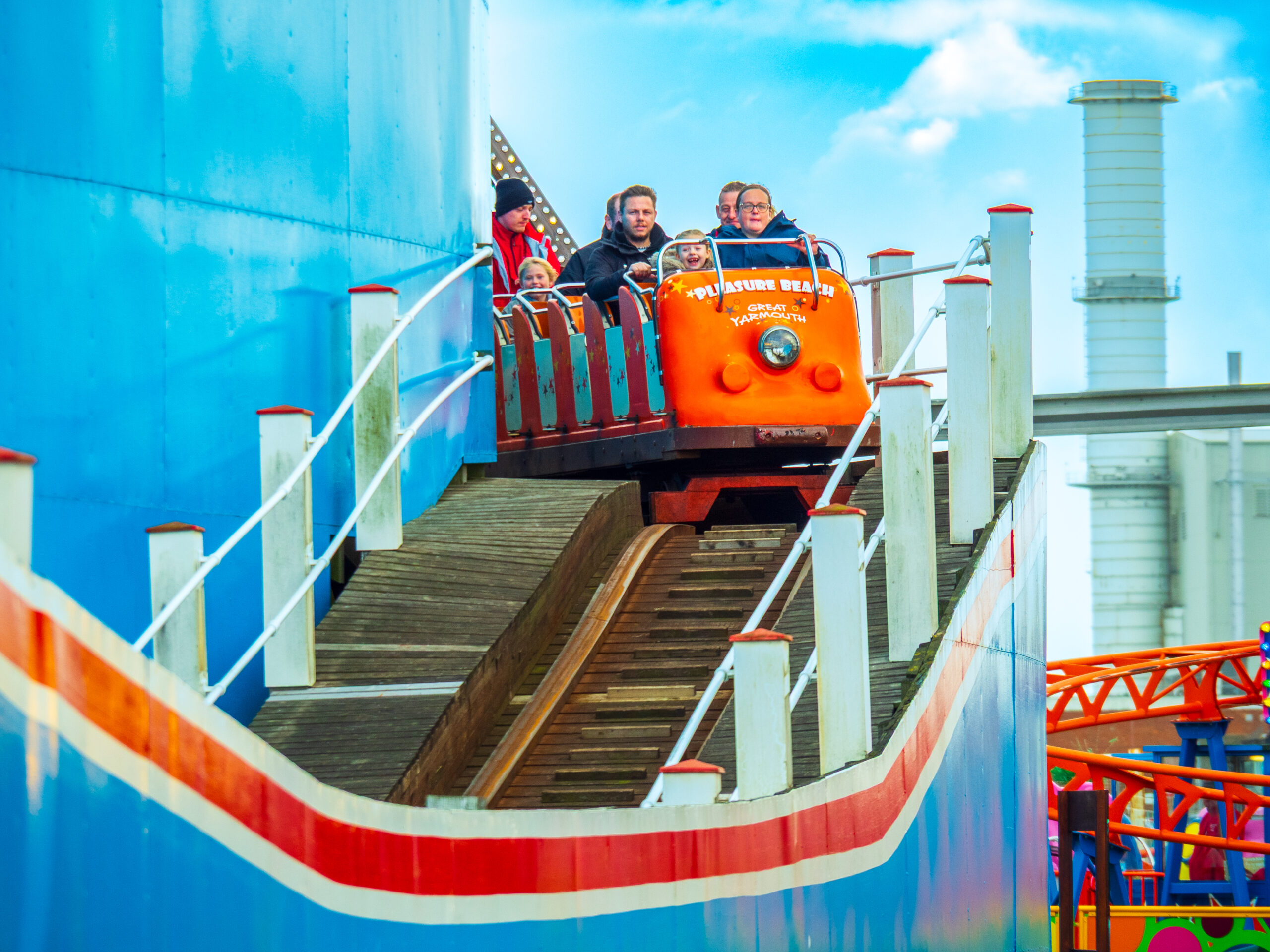
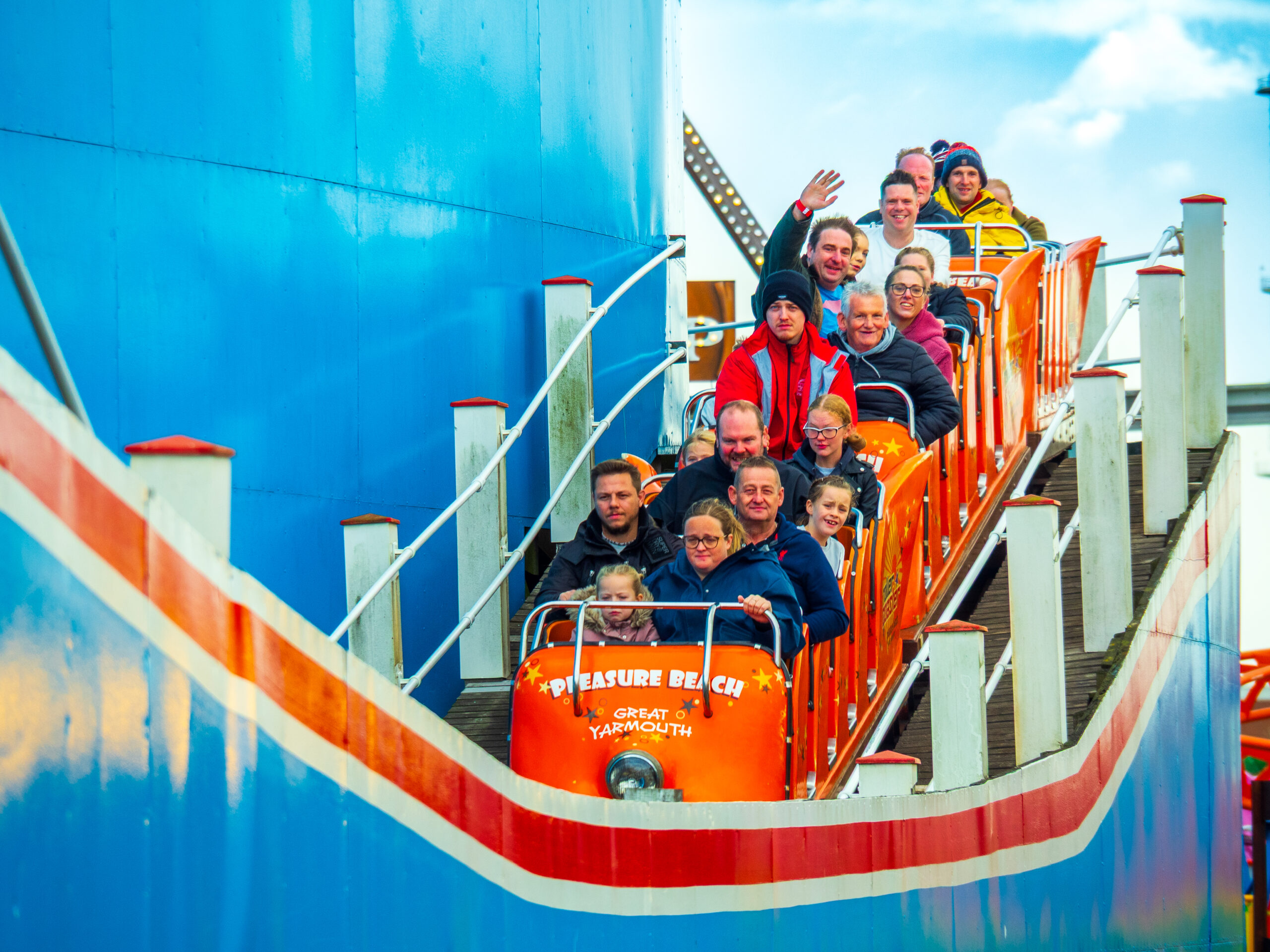
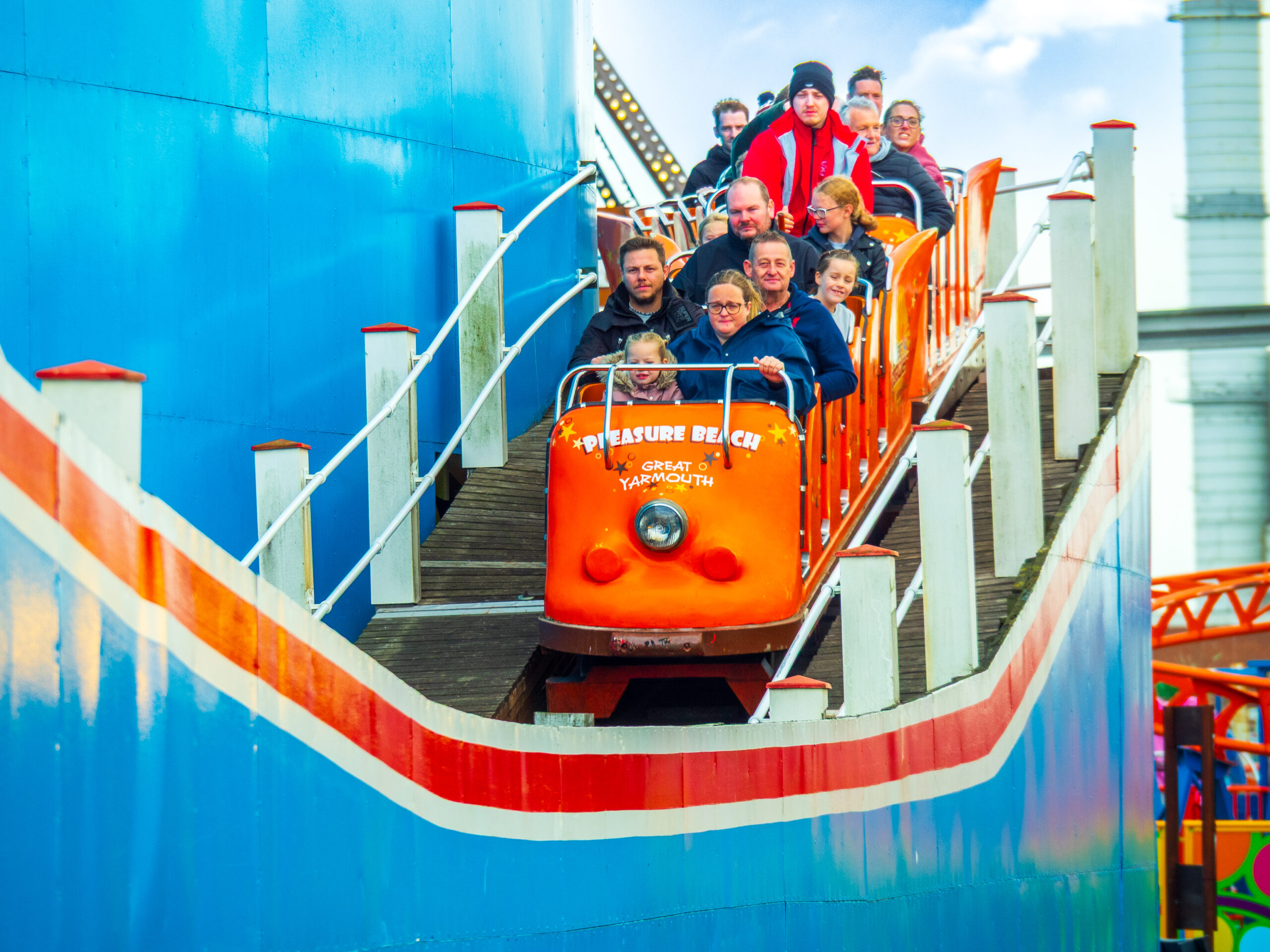
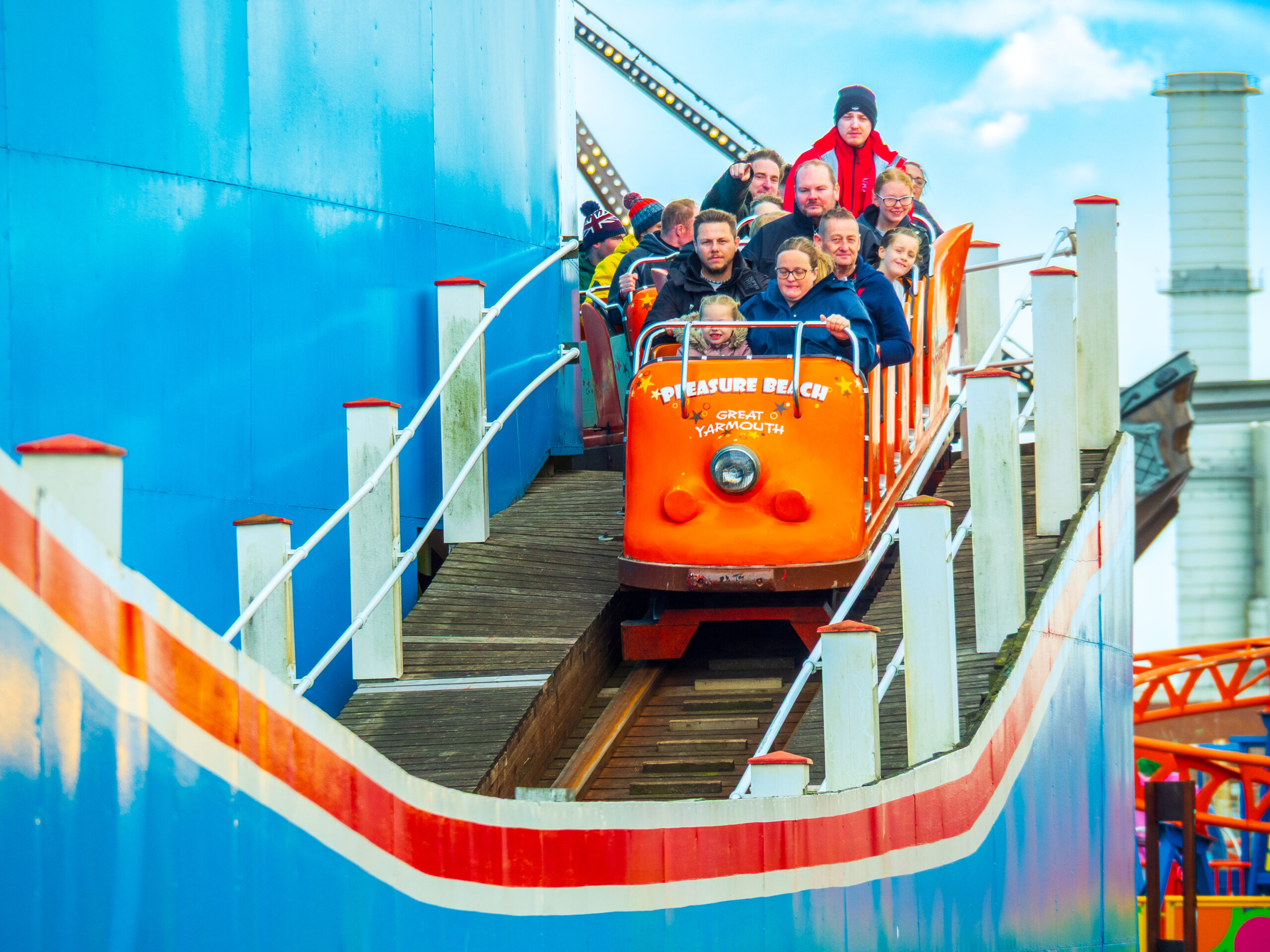
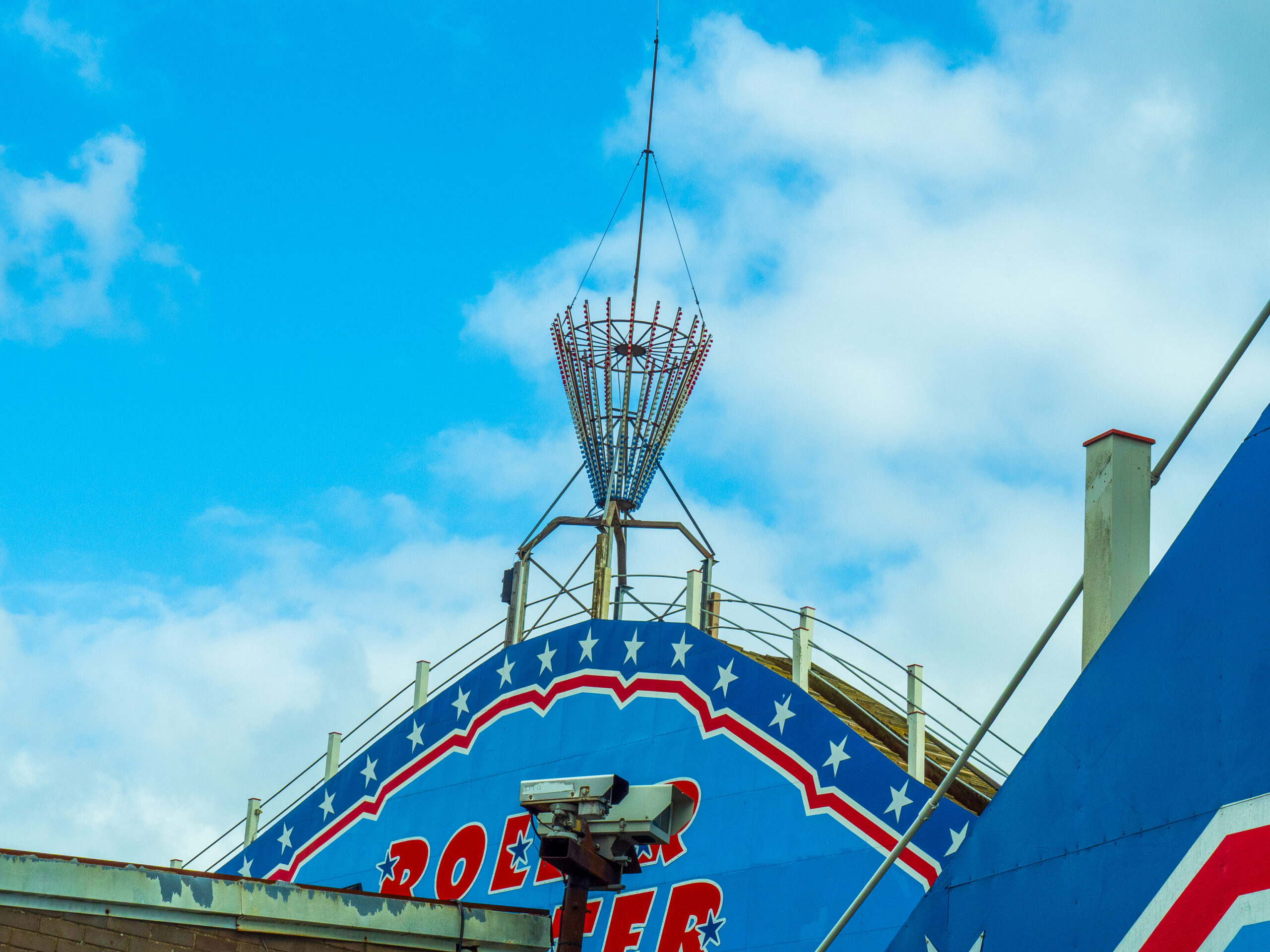
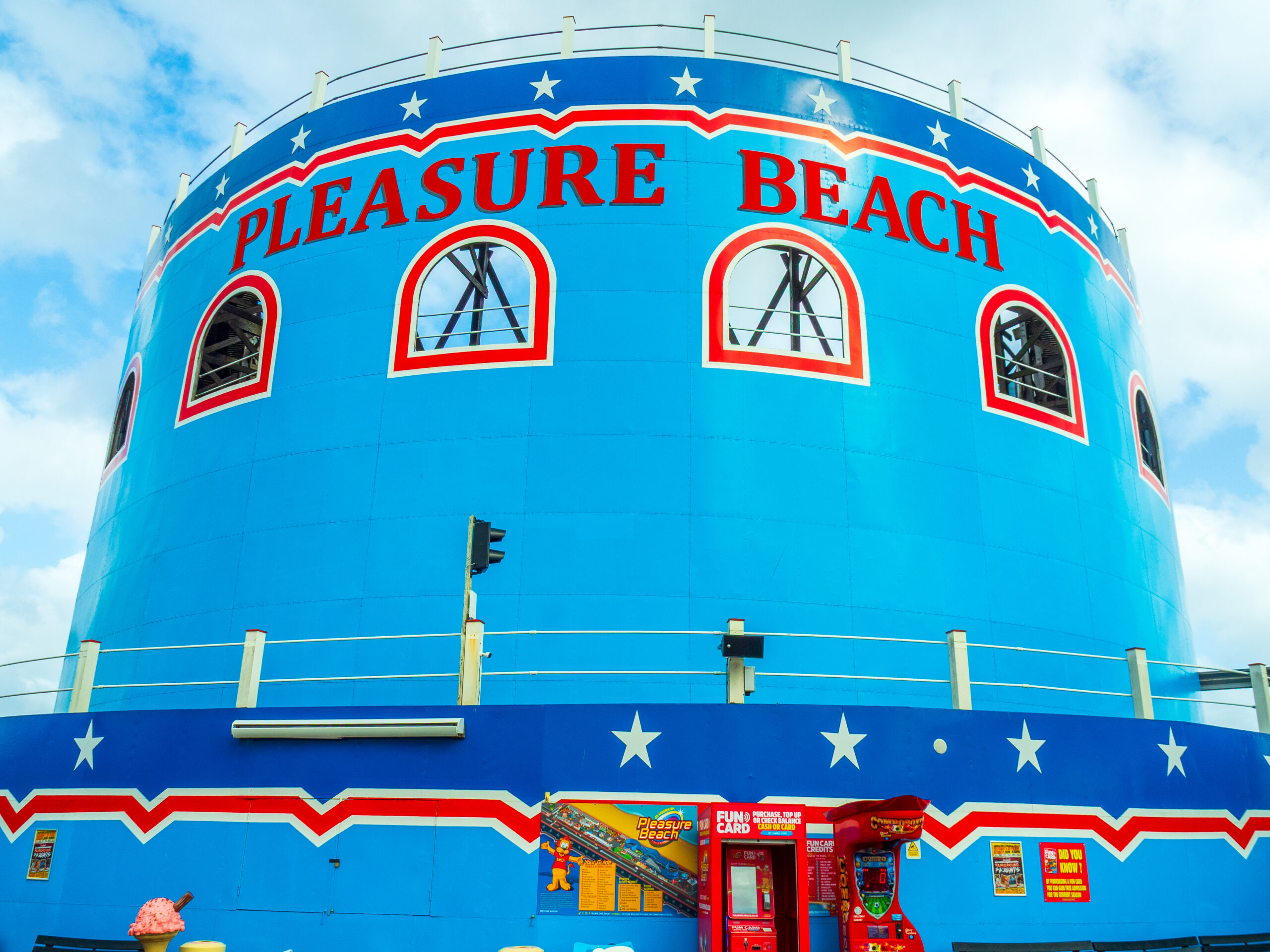
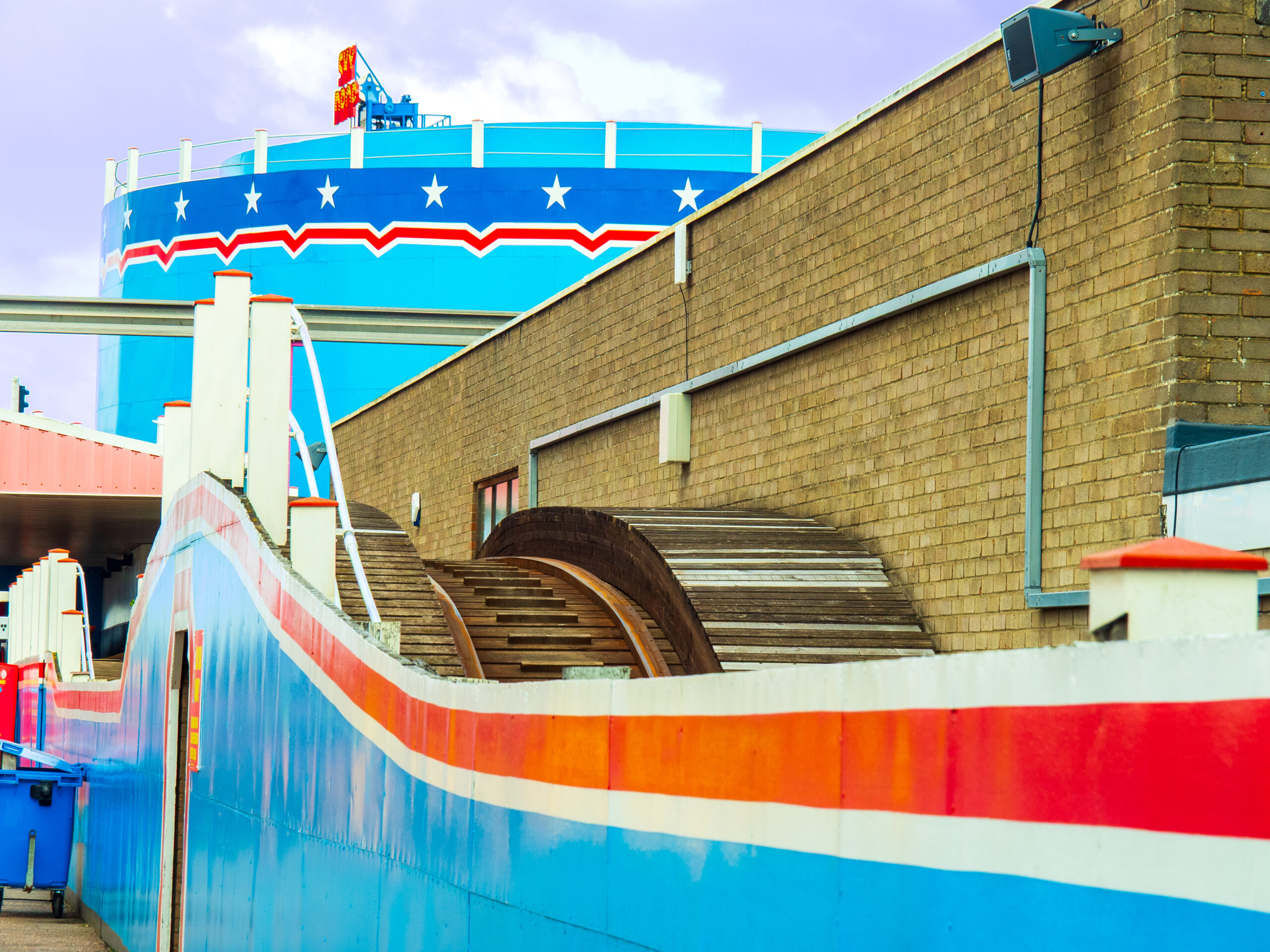
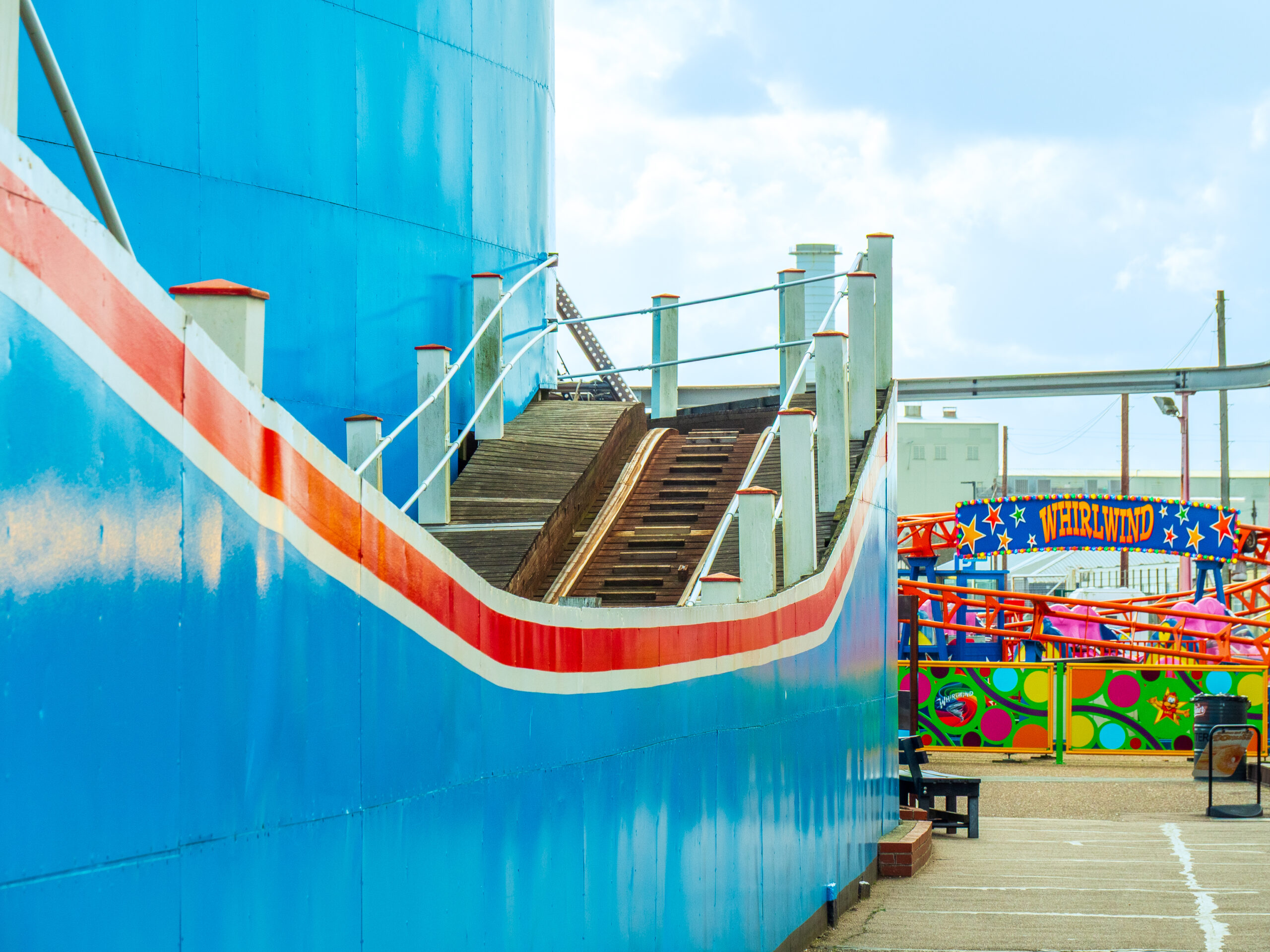
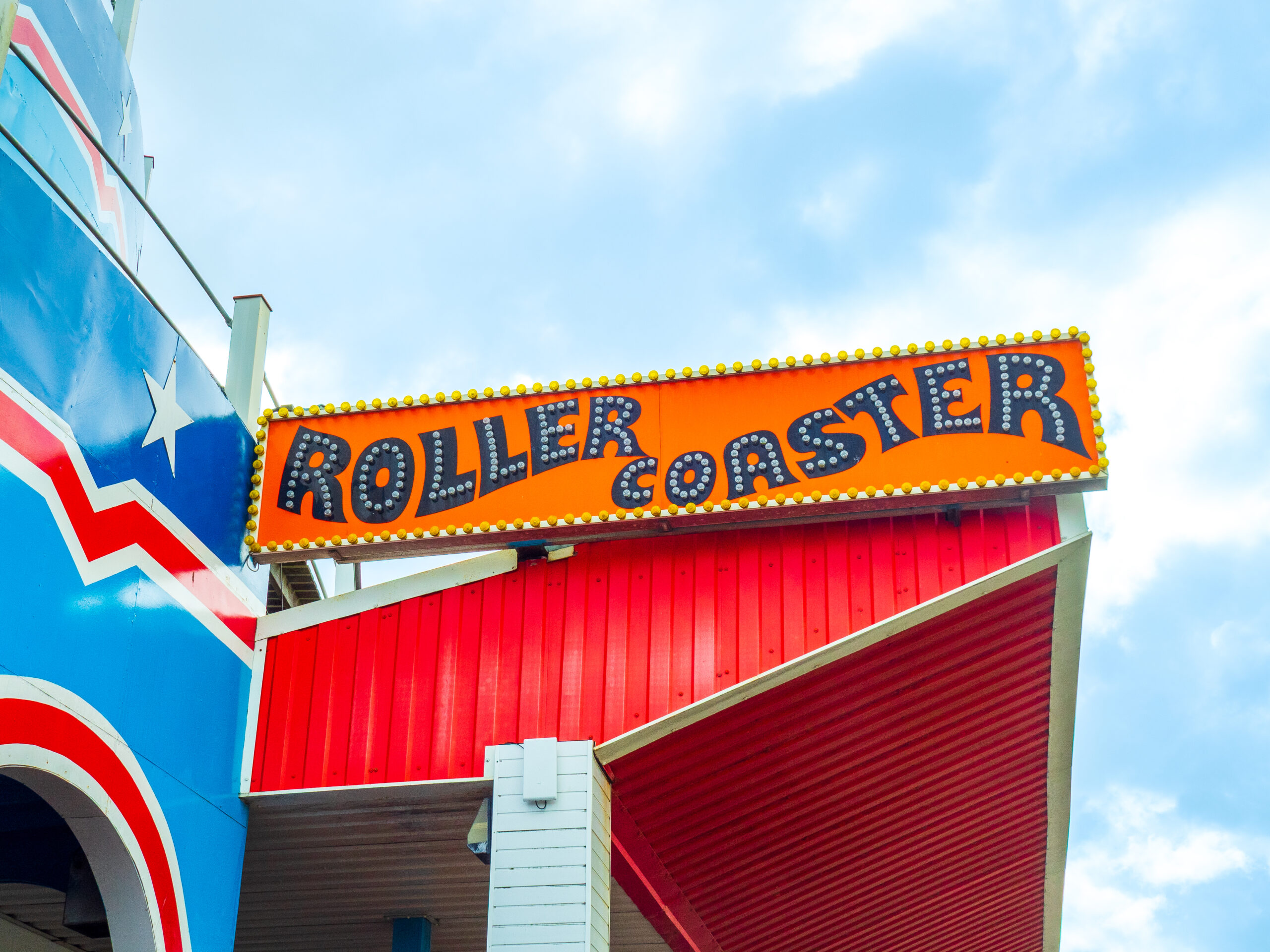
With thanks to Great Yarmouth Pleasure Beach, First Drop was given an amazing opportunity to gain behind-the-scenes access to Rollercoaster, also known as the Scenic Railway, for a closer look at this historic ride.
The Rollercoaster remains a truly special attraction. First Drop met up with Jamie Jones, one of the park’s directors, who describes it as a core part of the Pleasure Beach experience. He explained how it is a ride that draws generations of visitors back time and again, and one that demands constant care and maintenance to preserve its status as the park’s focal point and star attraction.
For me personally, Rollercoaster was my first major coaster. I remember going on it when I was younger and recall the thrill of that second drop as you smiled for the camera. It is a ride that my parents have ridden, my grandparents have ridden, and very likely my great-grandparents as well. My family is therefore a prime example of how this coaster touches generations. Next year, my nephew will be introduced to the ride, continuing the tradition, followed by my younger niece, and hopefully their children when the time comes.
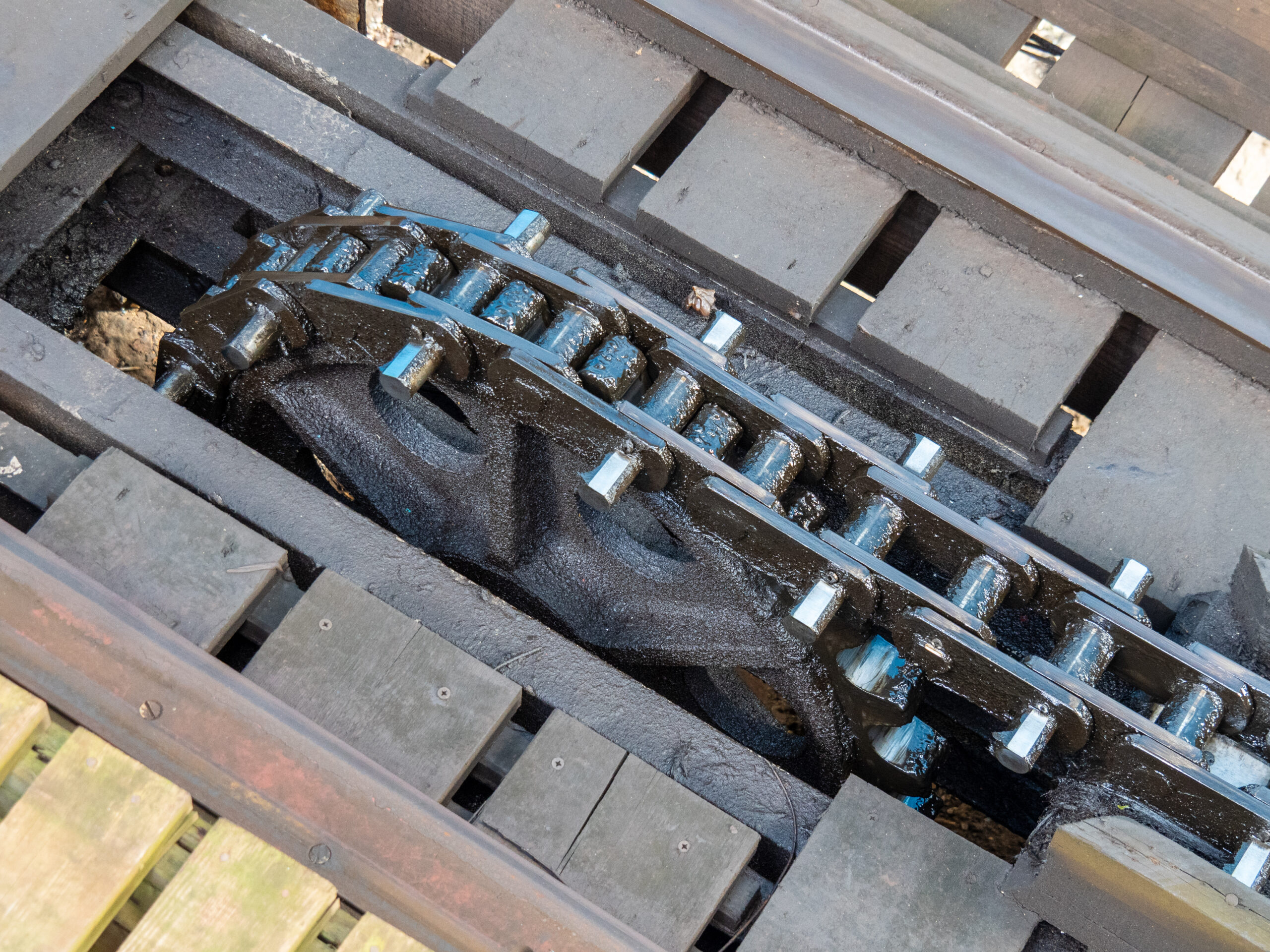
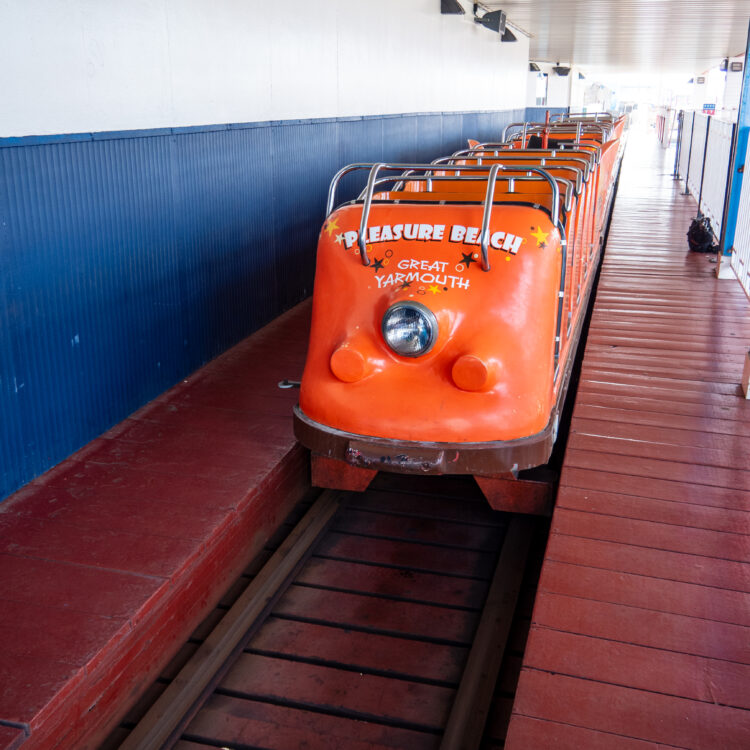
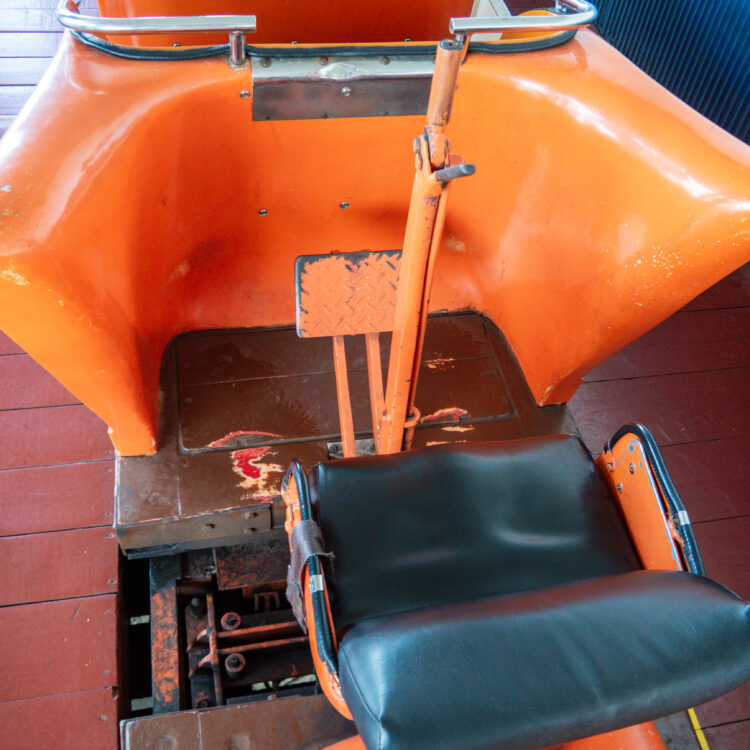
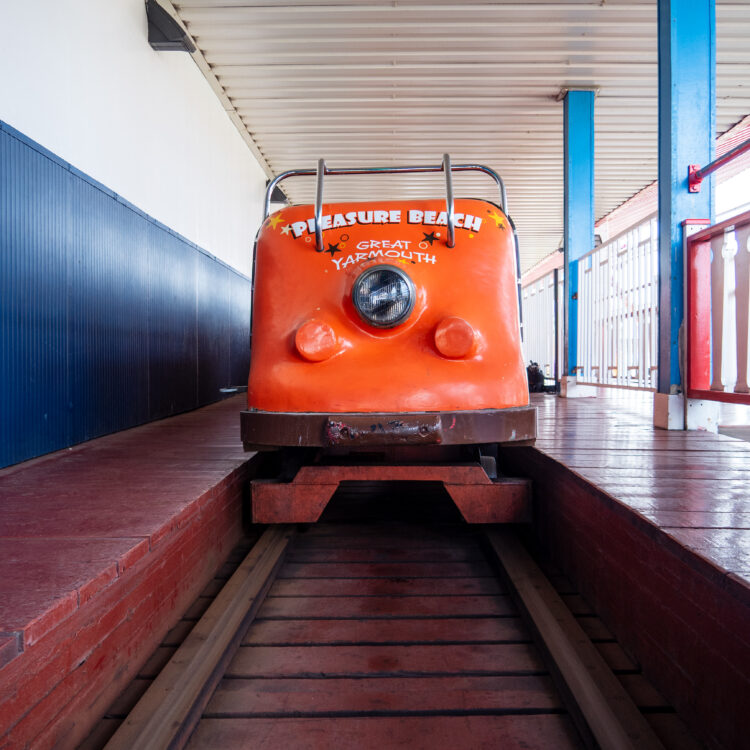
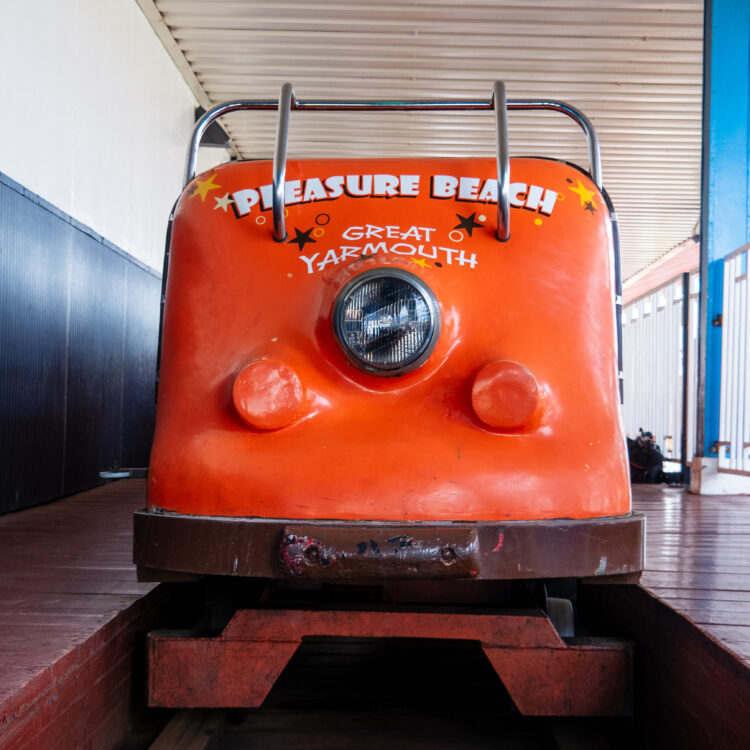
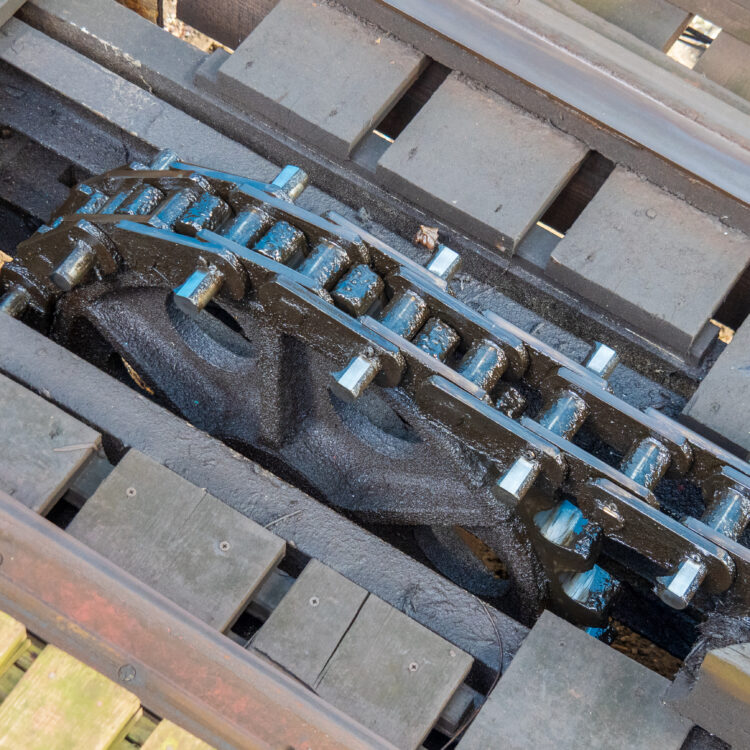
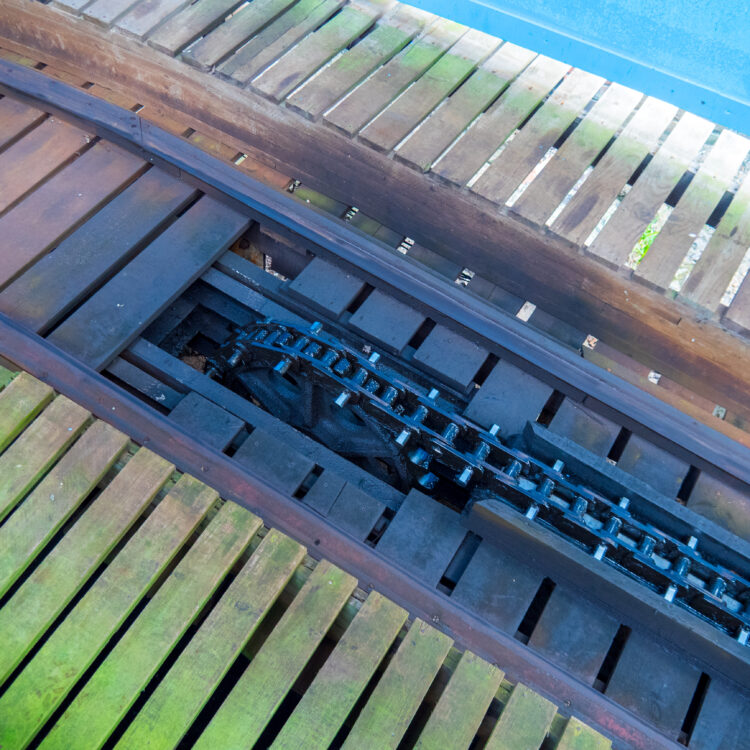
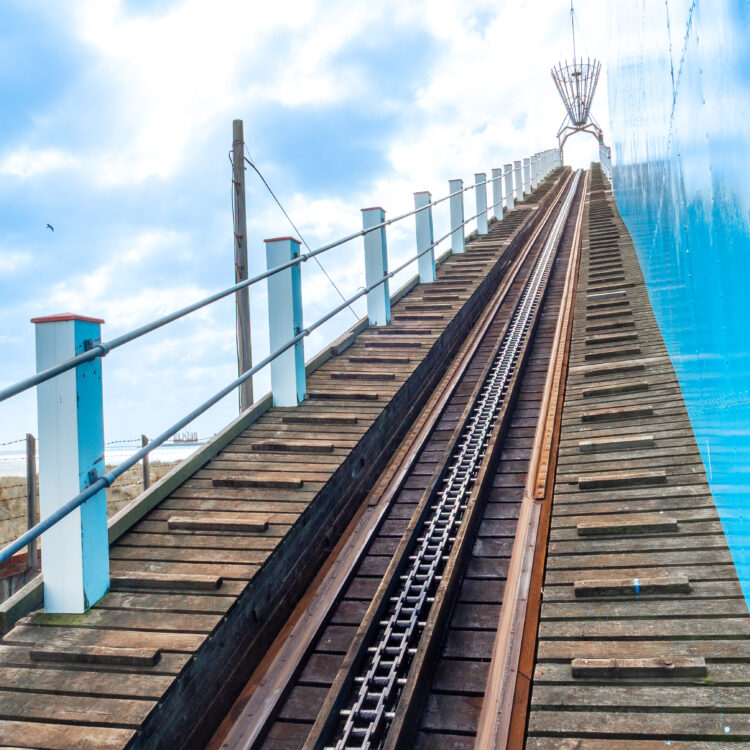
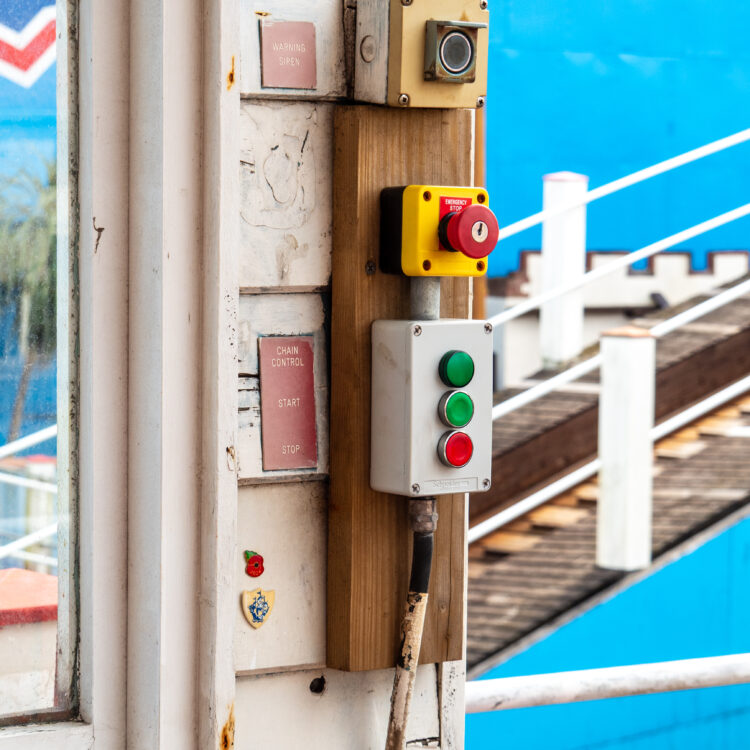
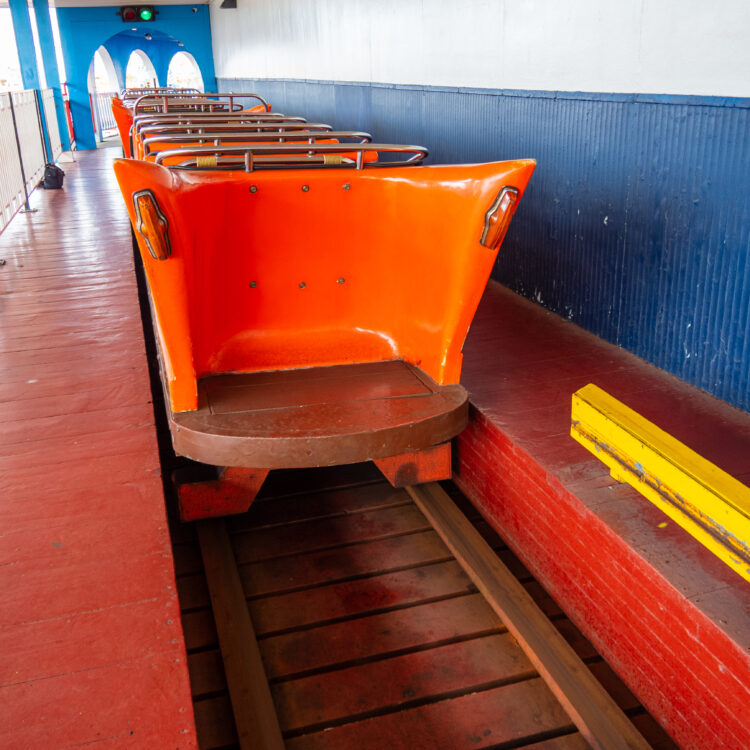
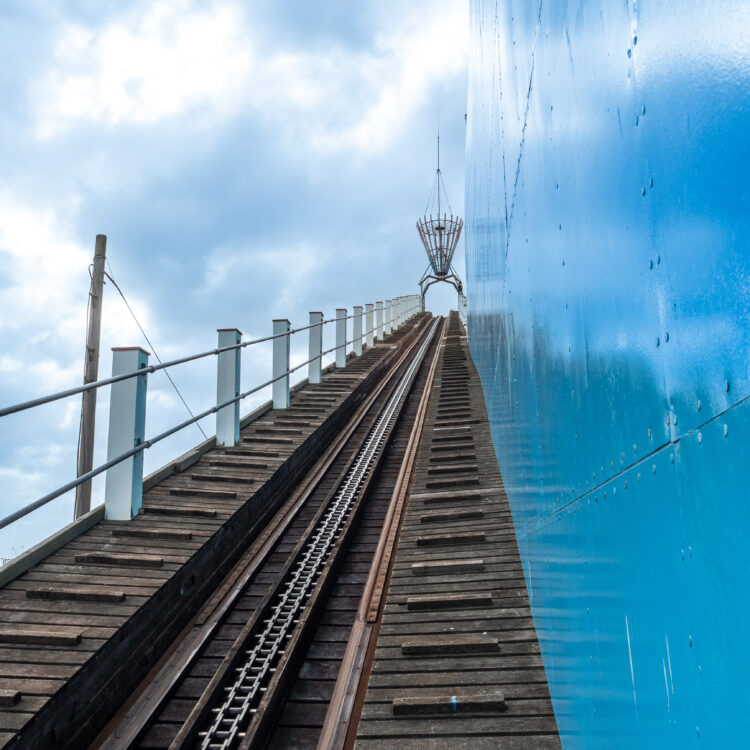
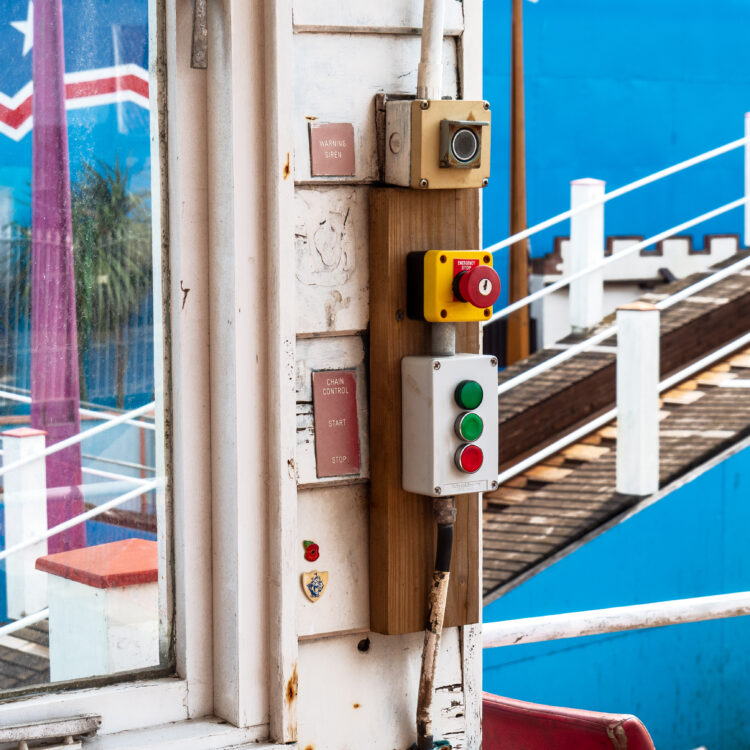
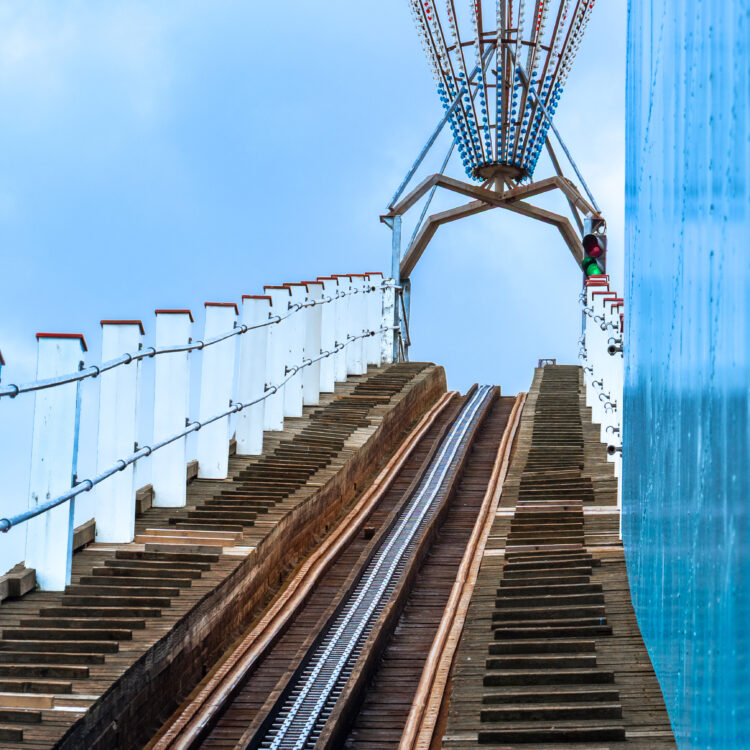
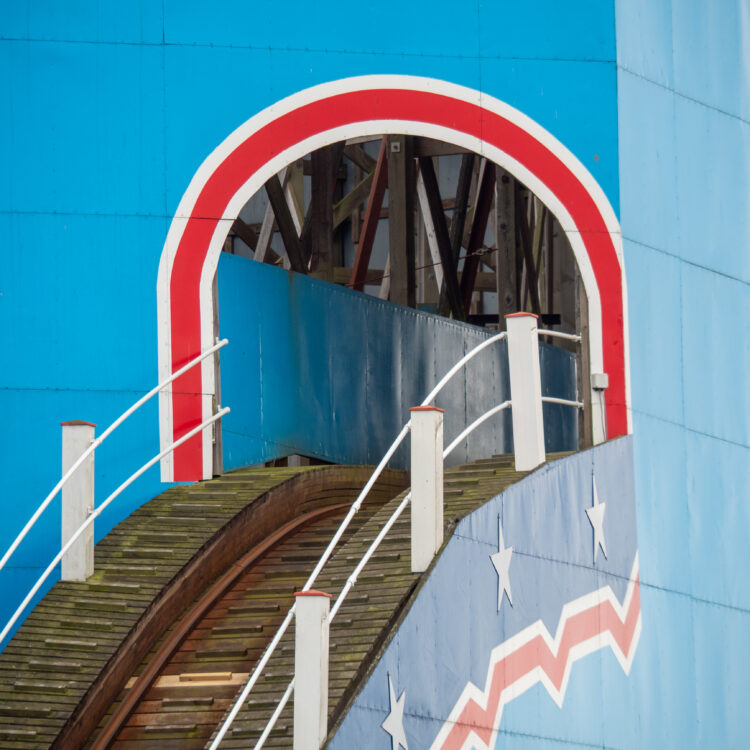
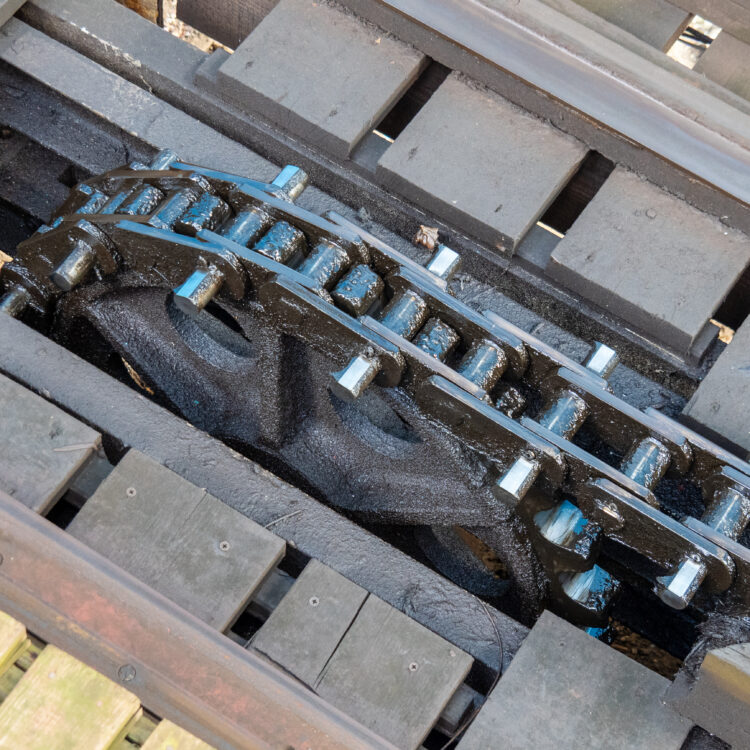
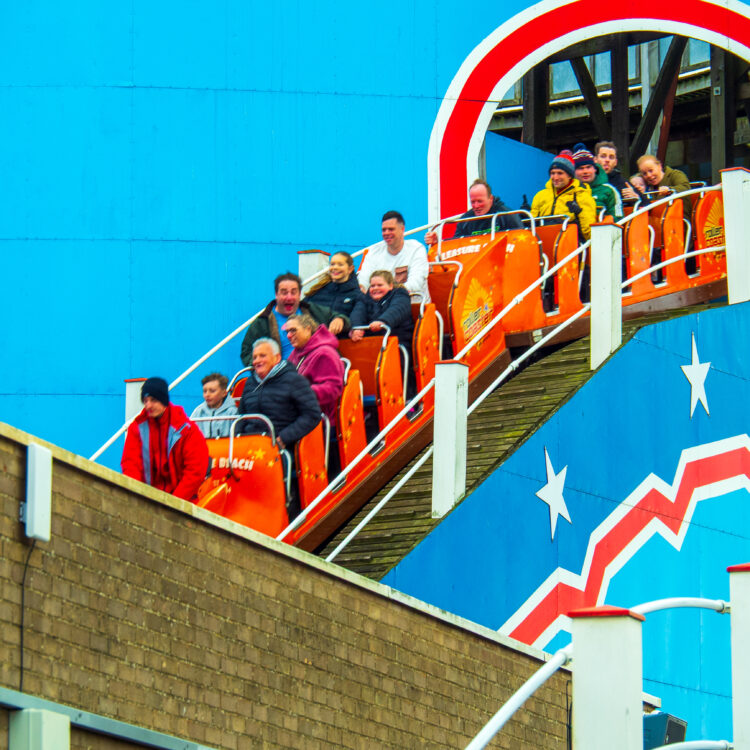
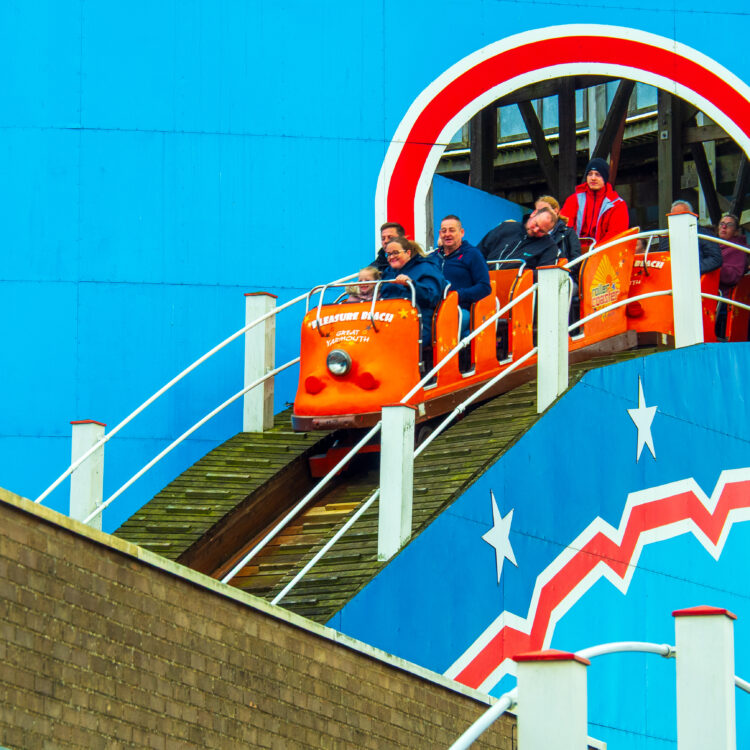
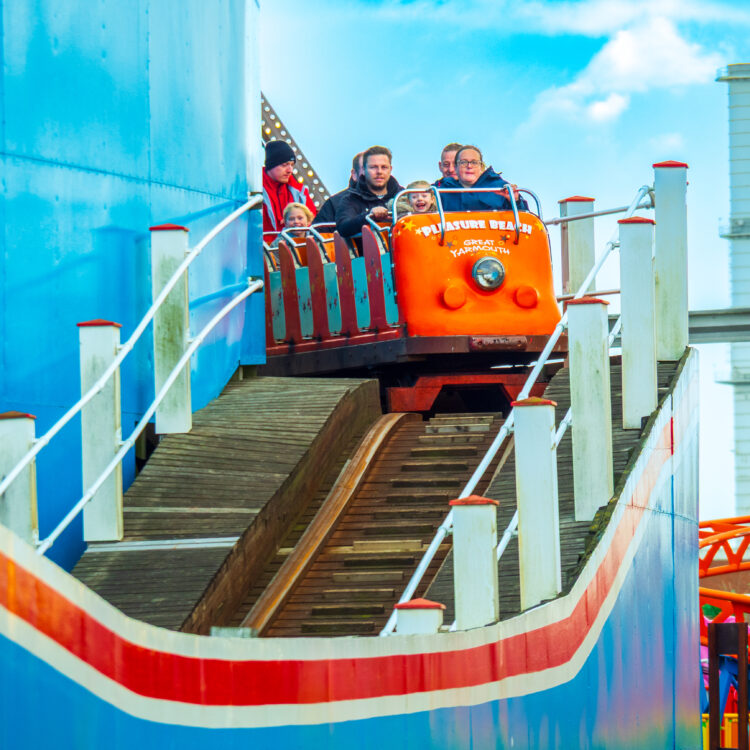
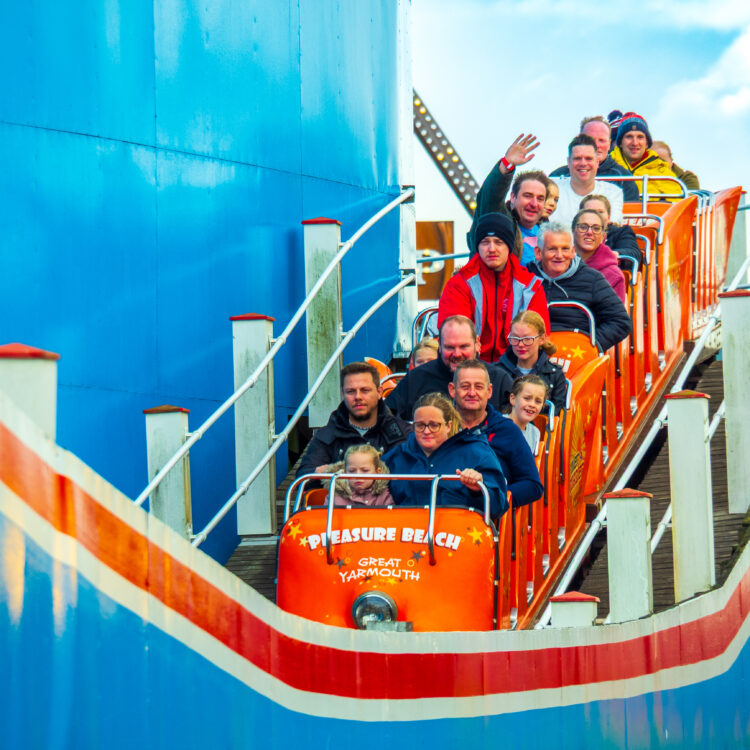
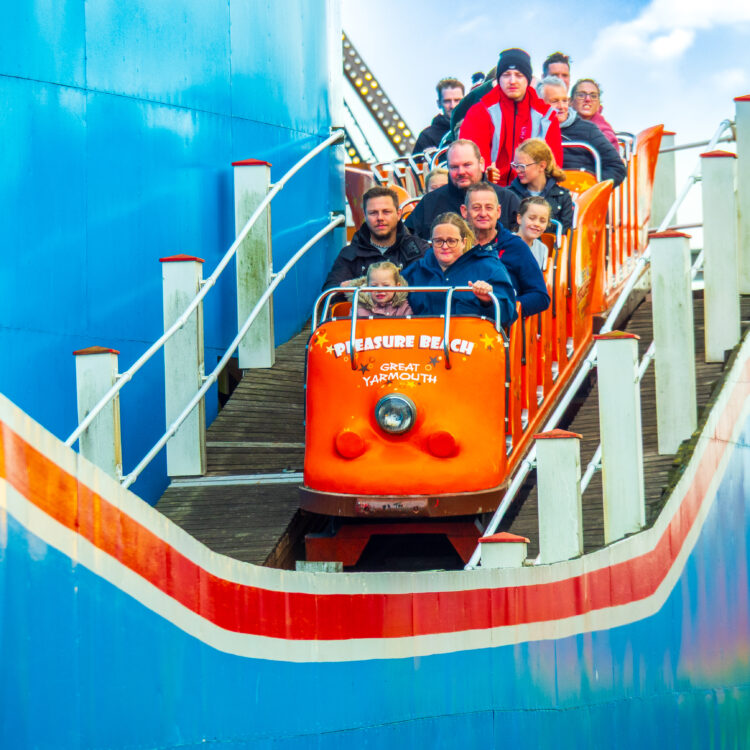
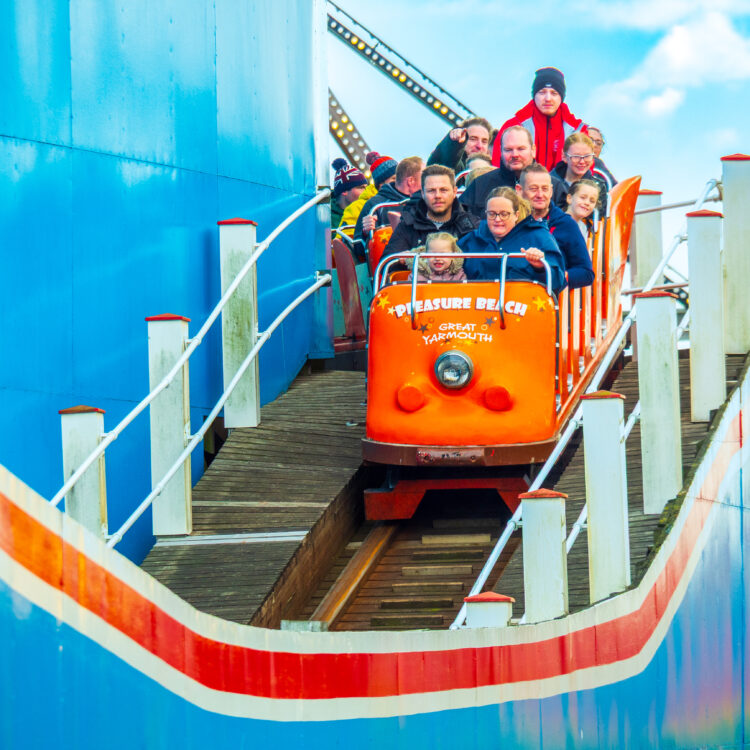
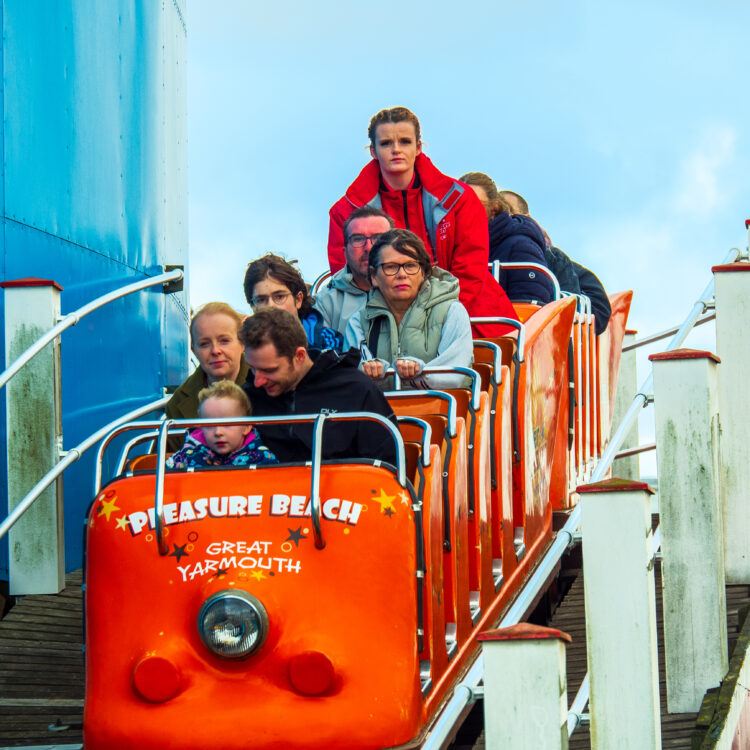
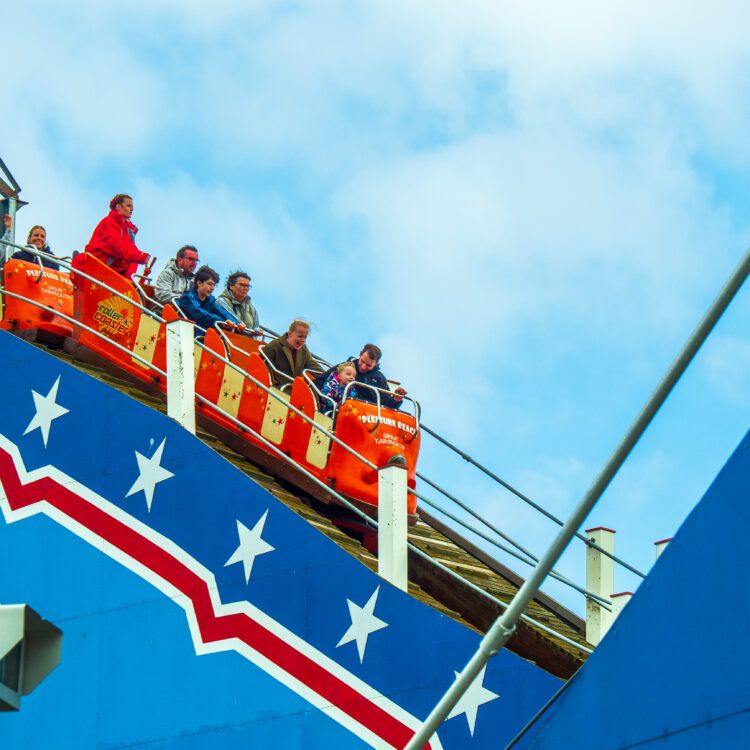
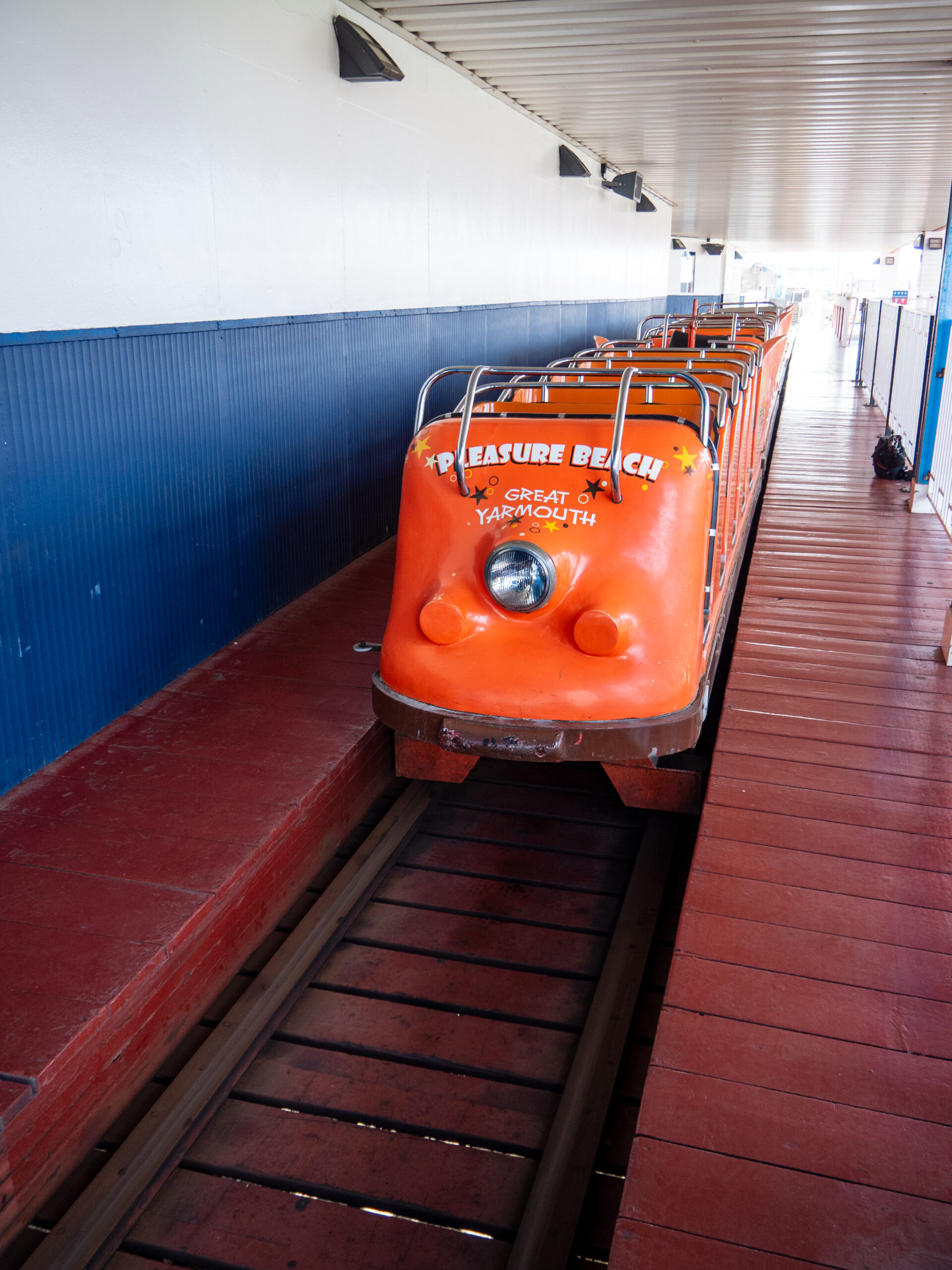
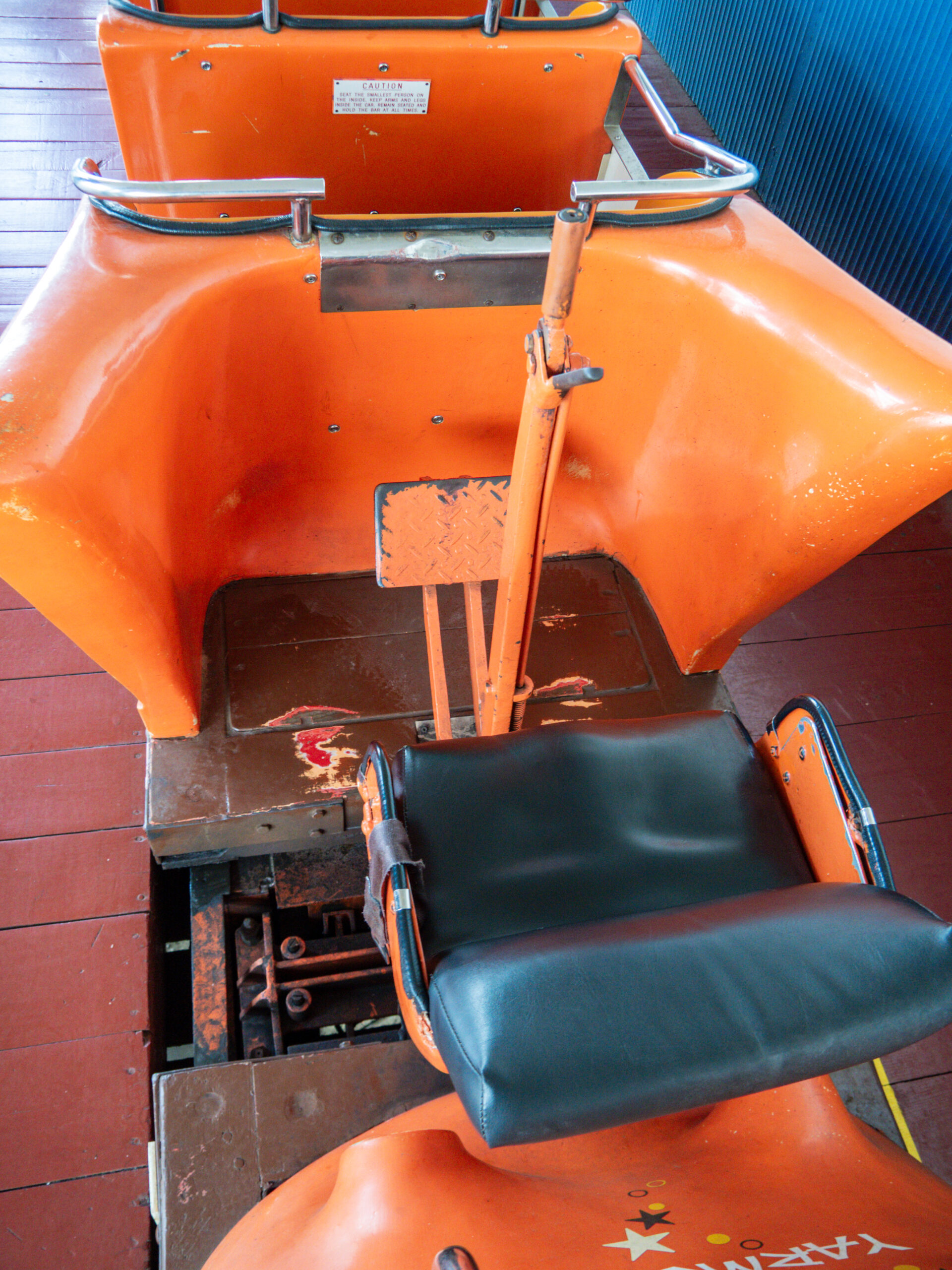
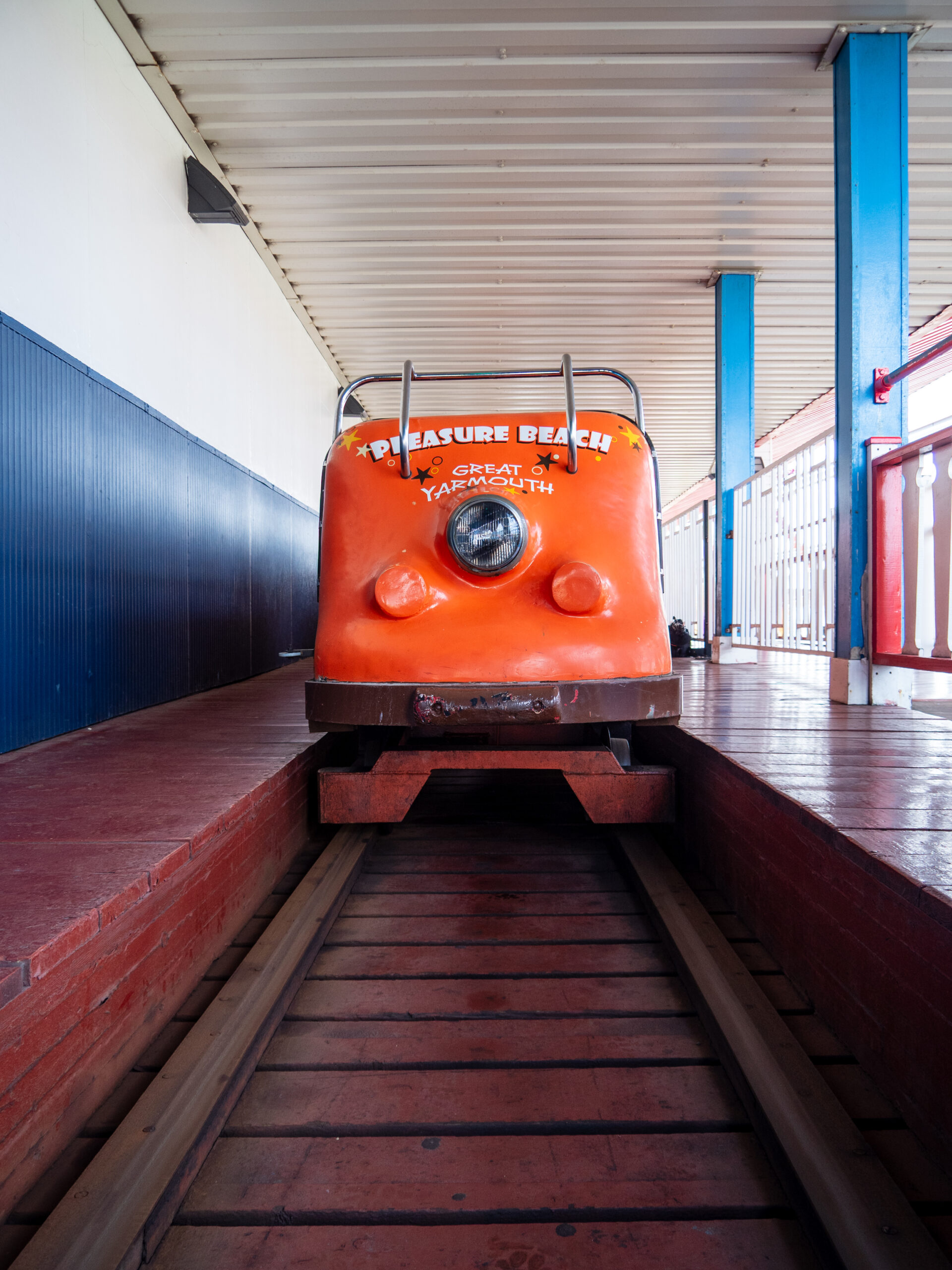
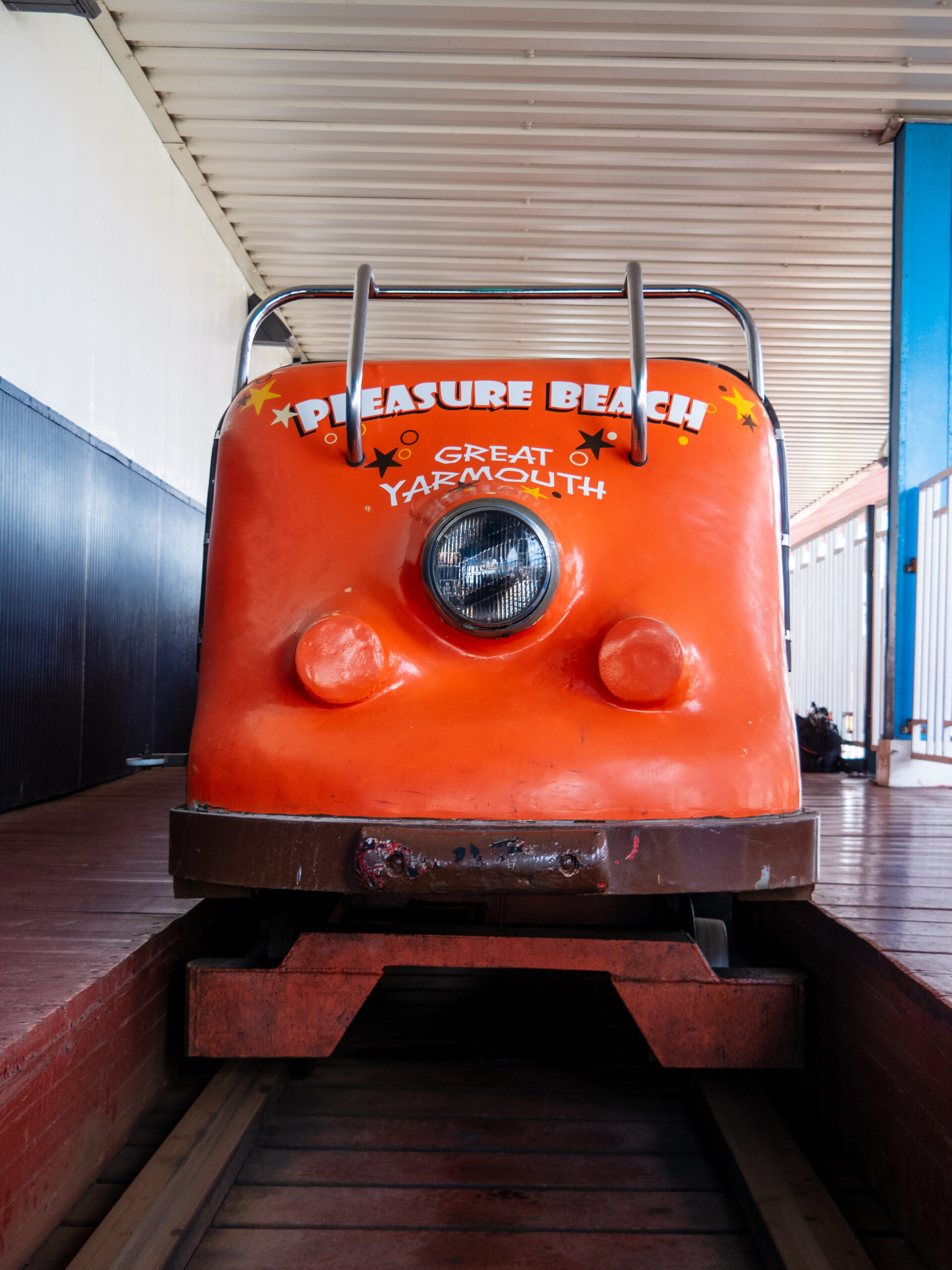
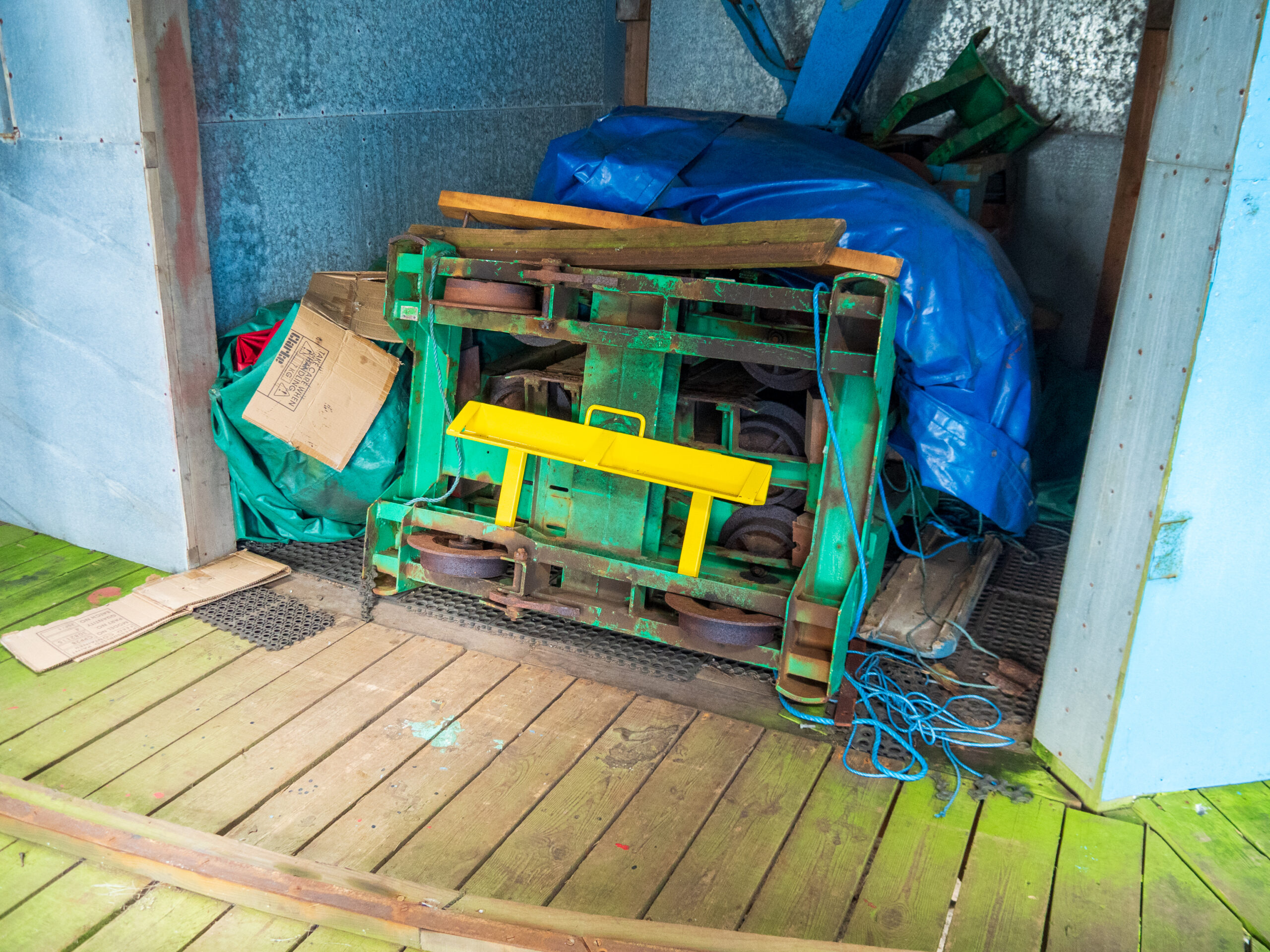
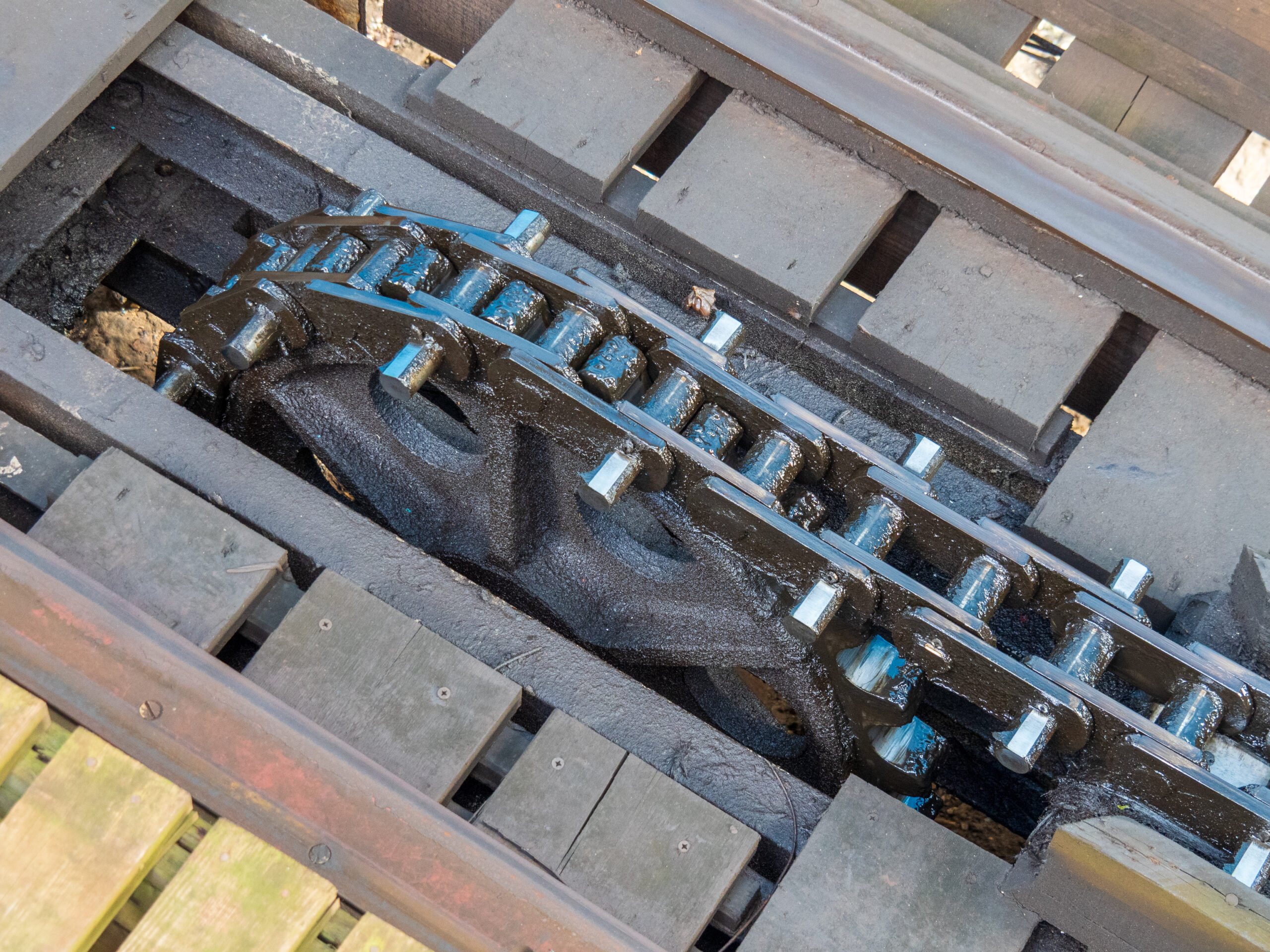
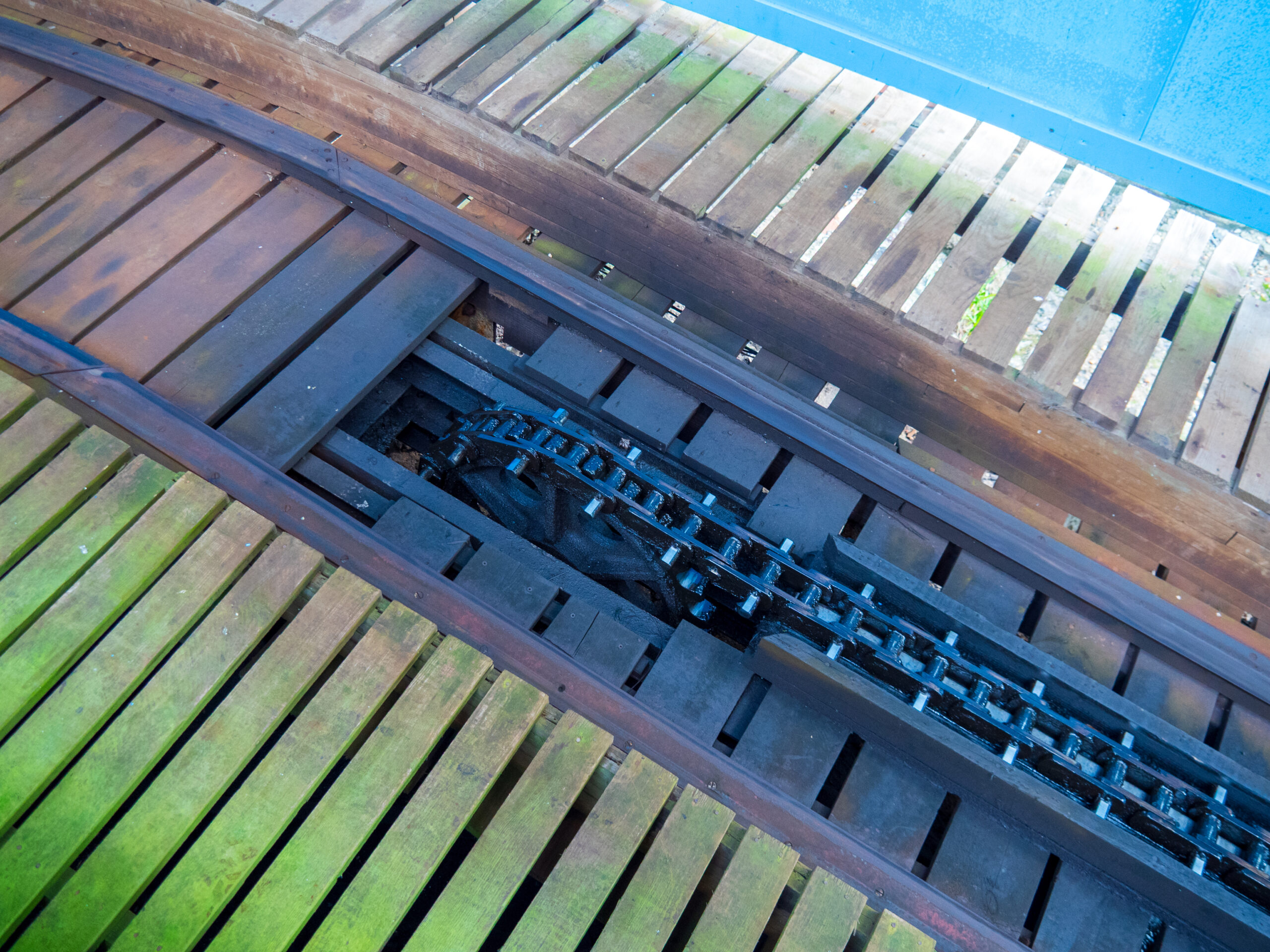
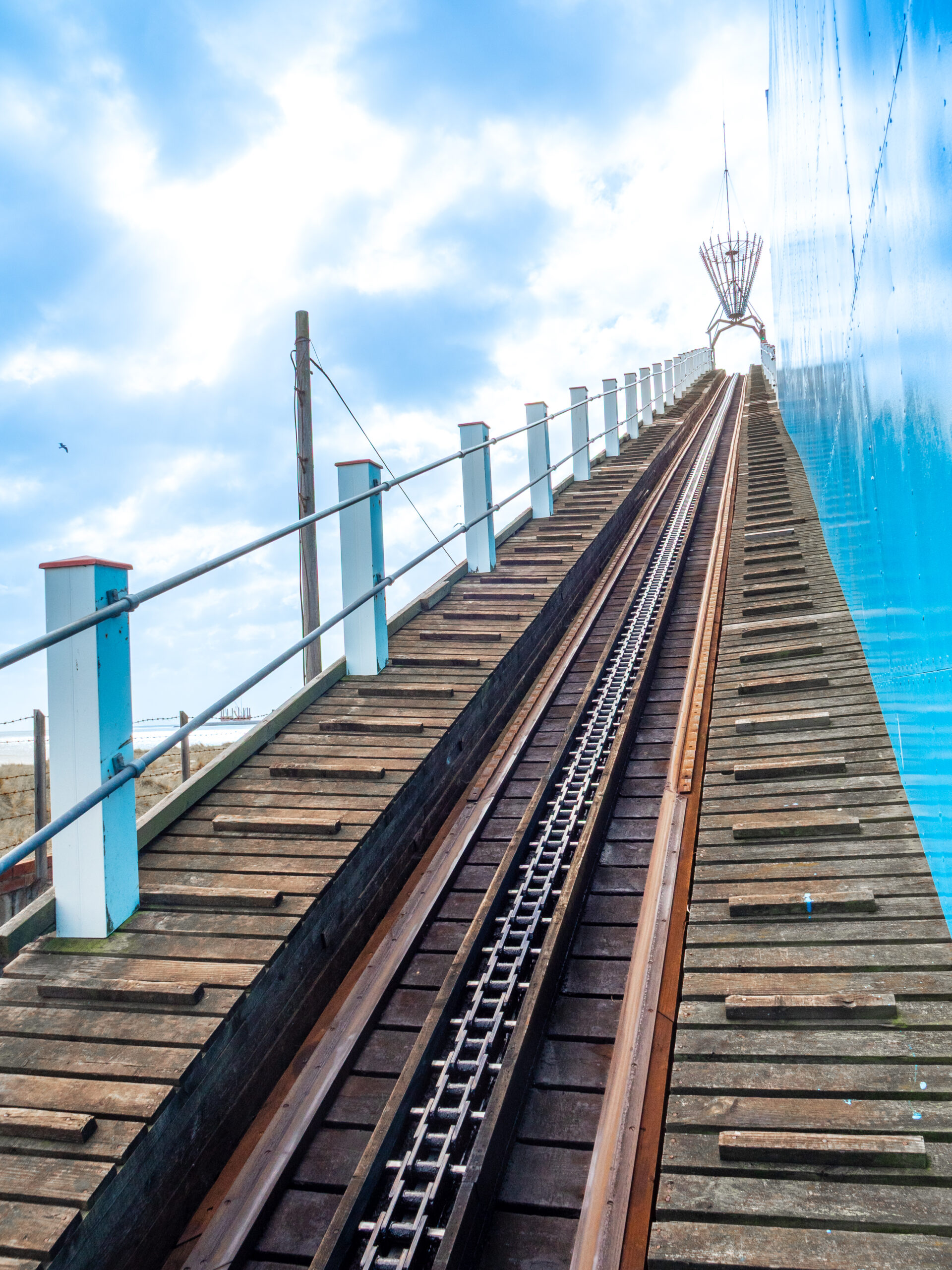
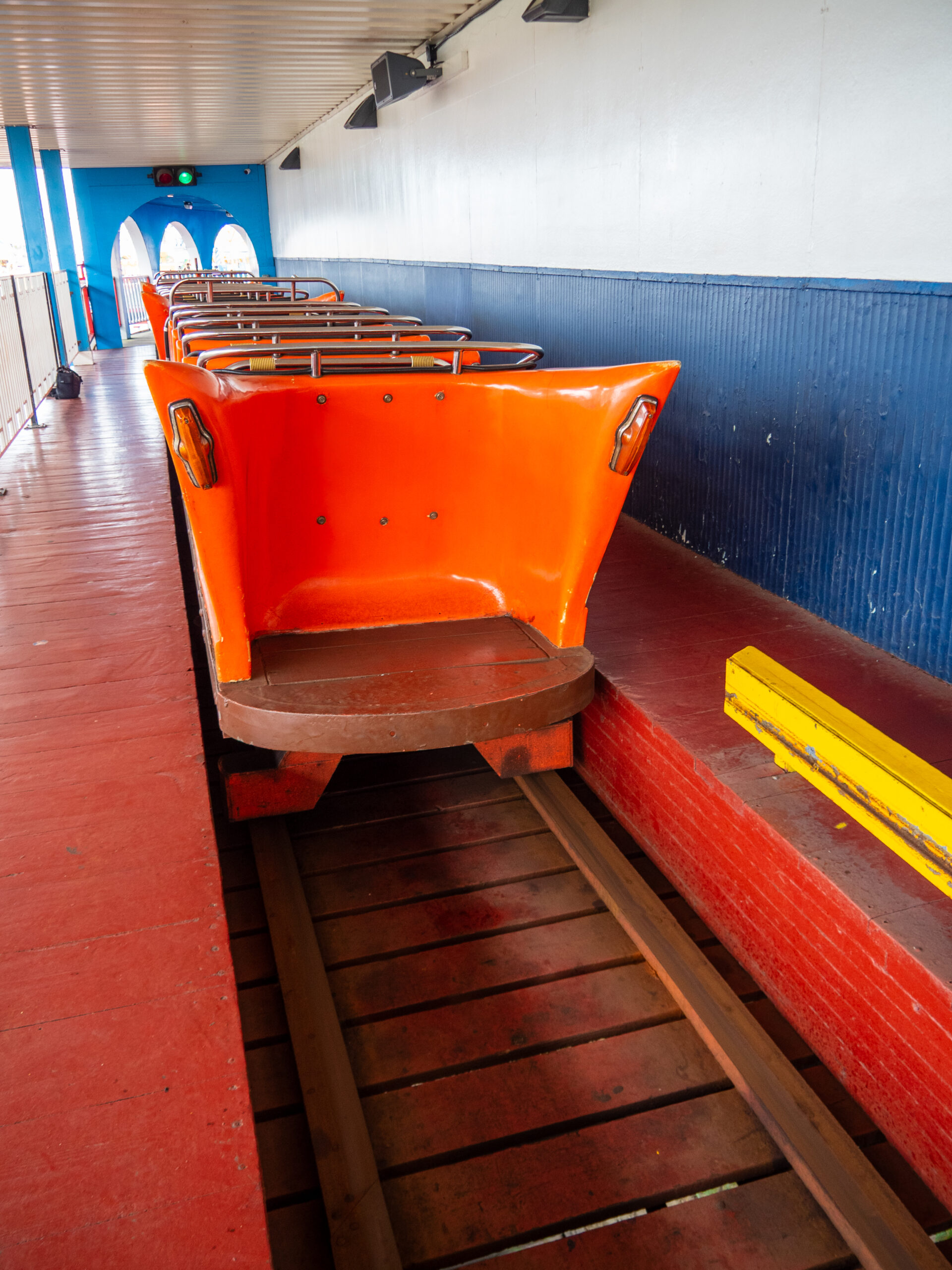
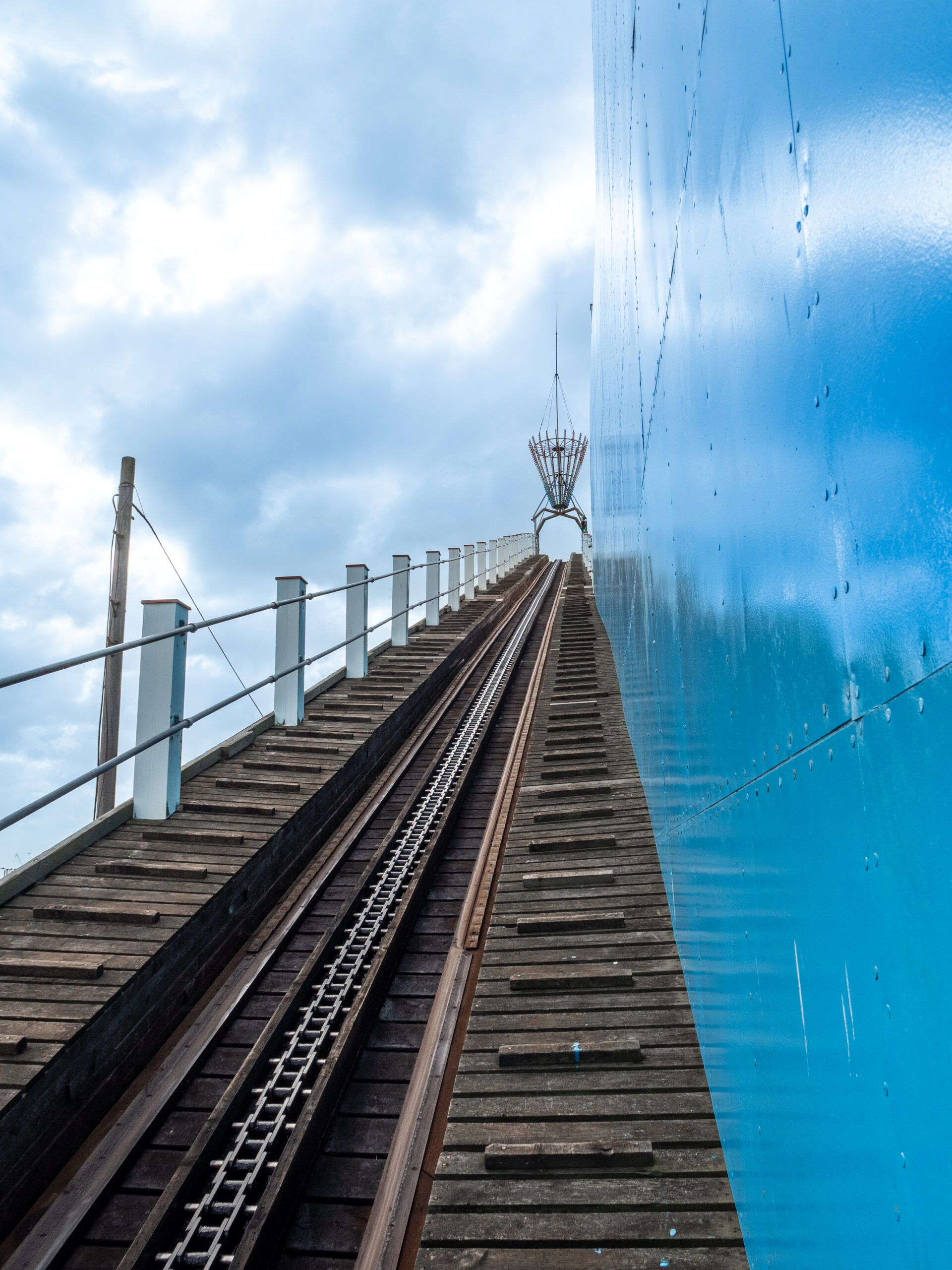
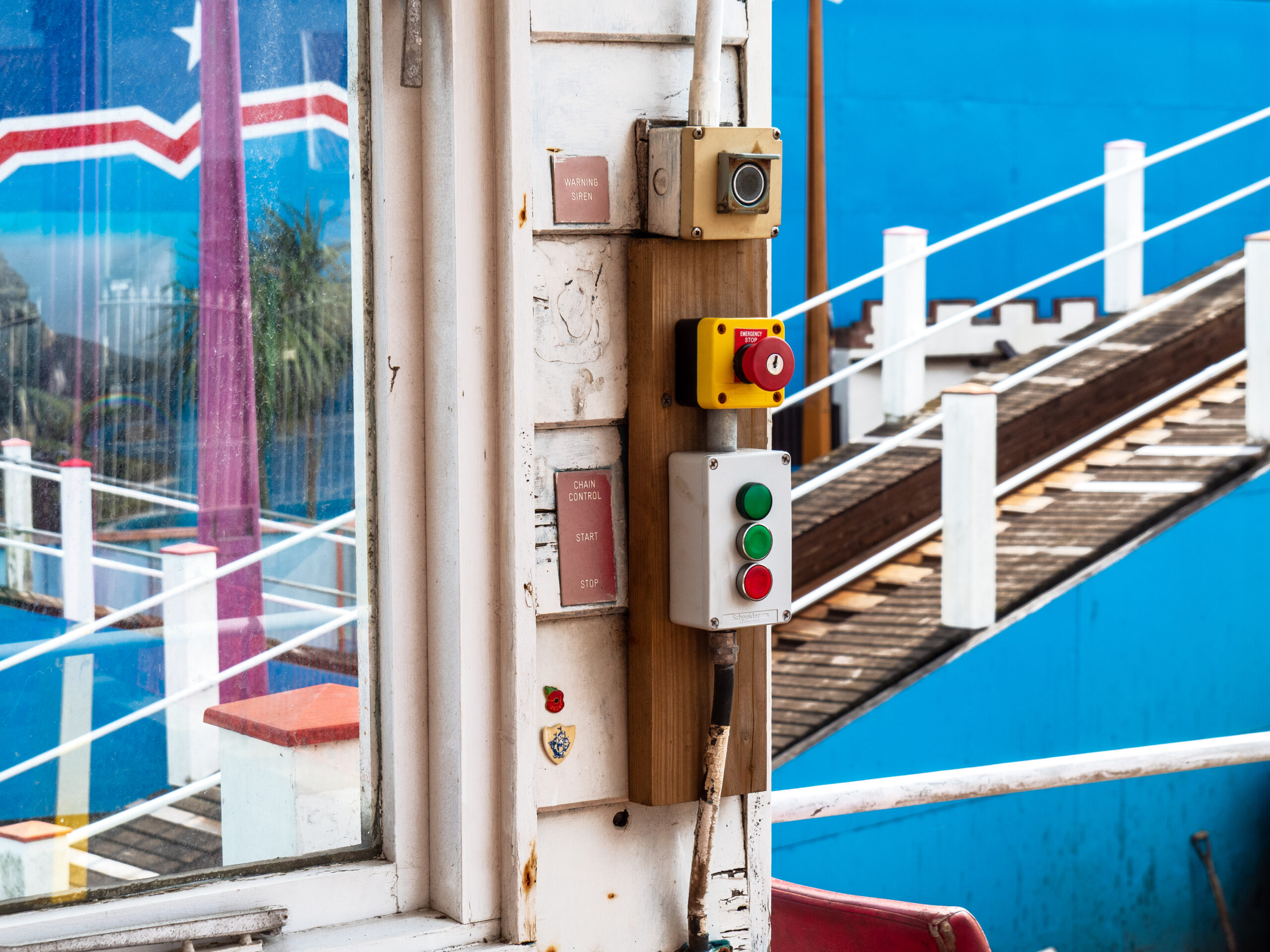
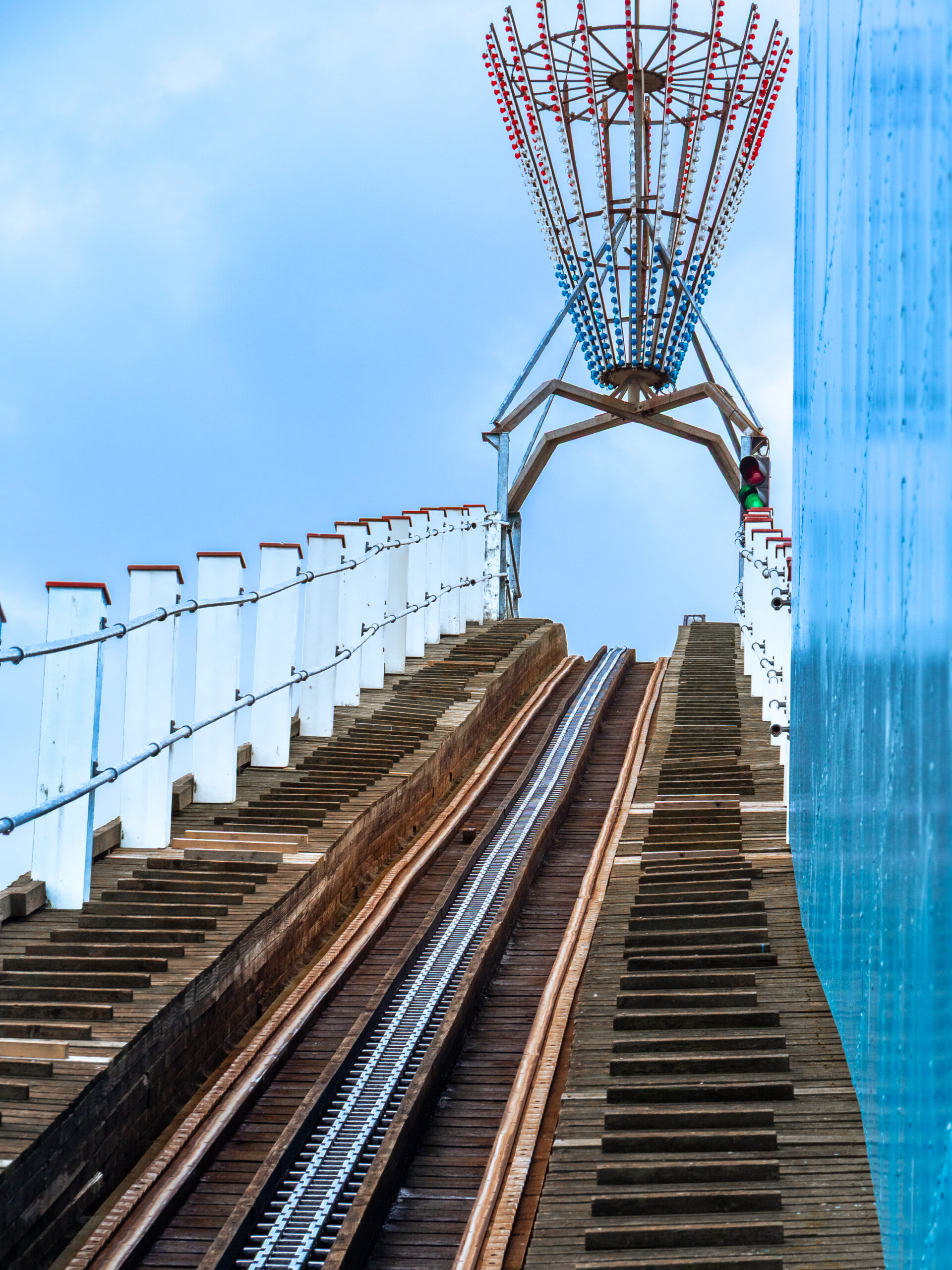
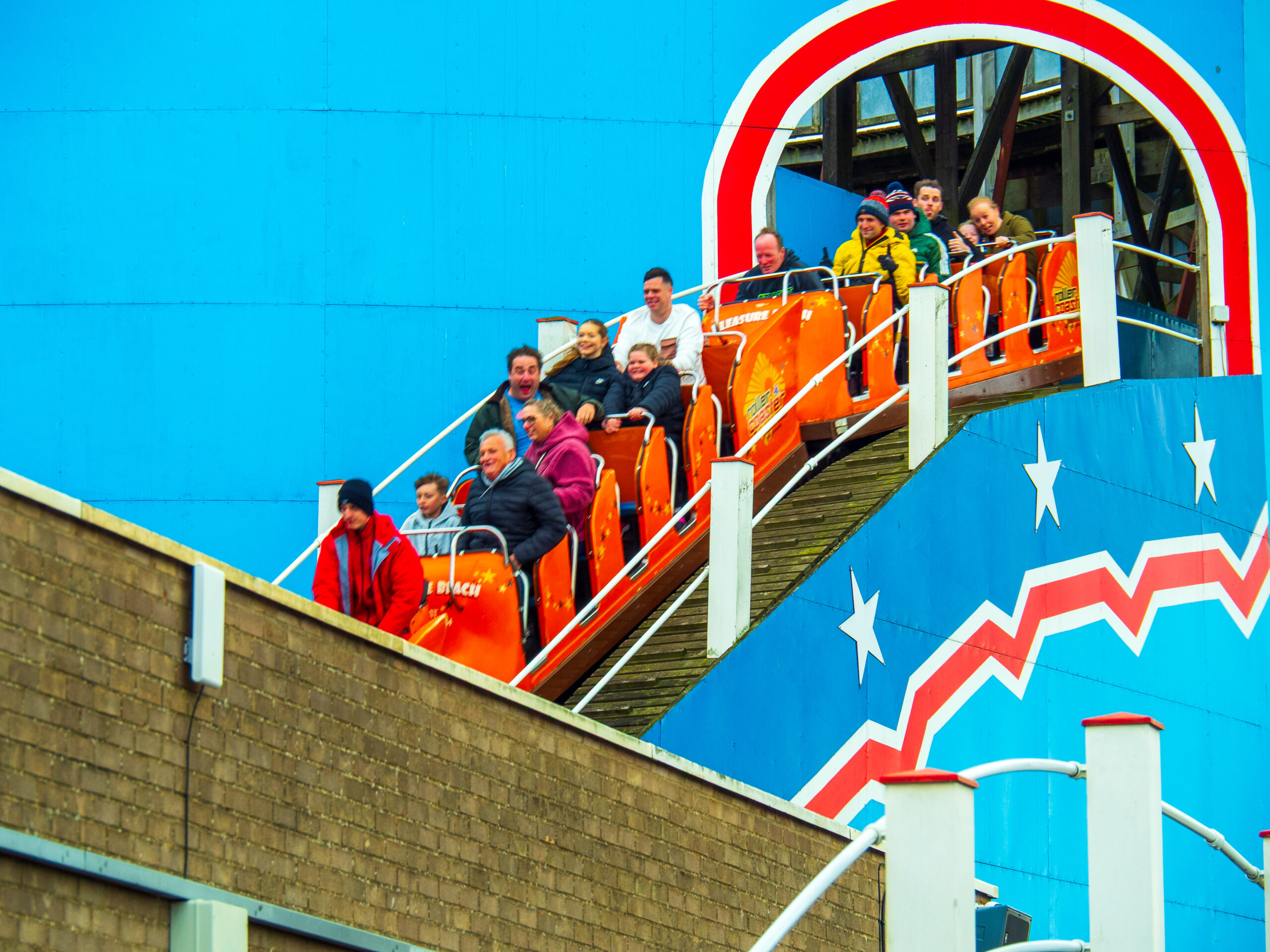
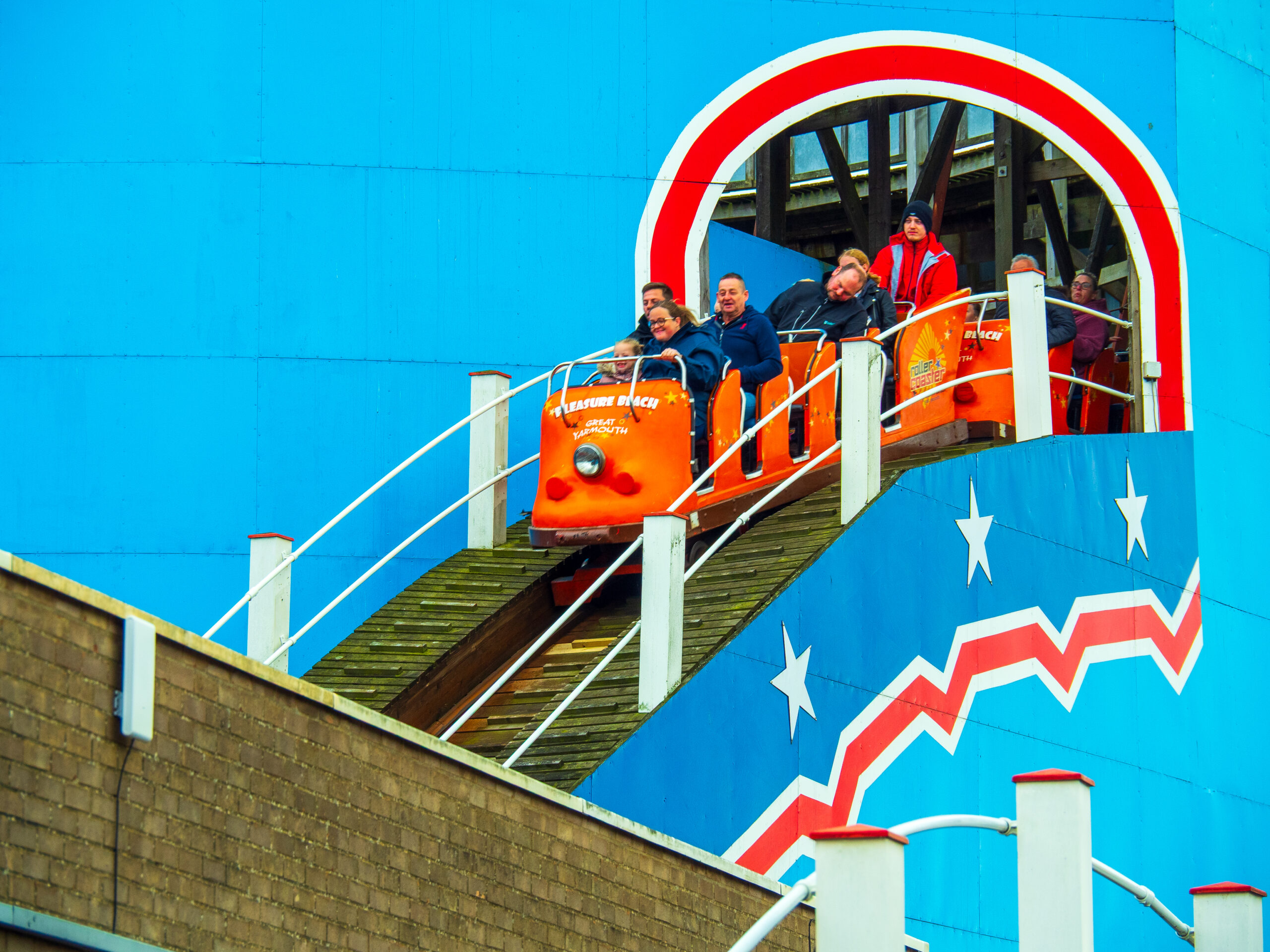
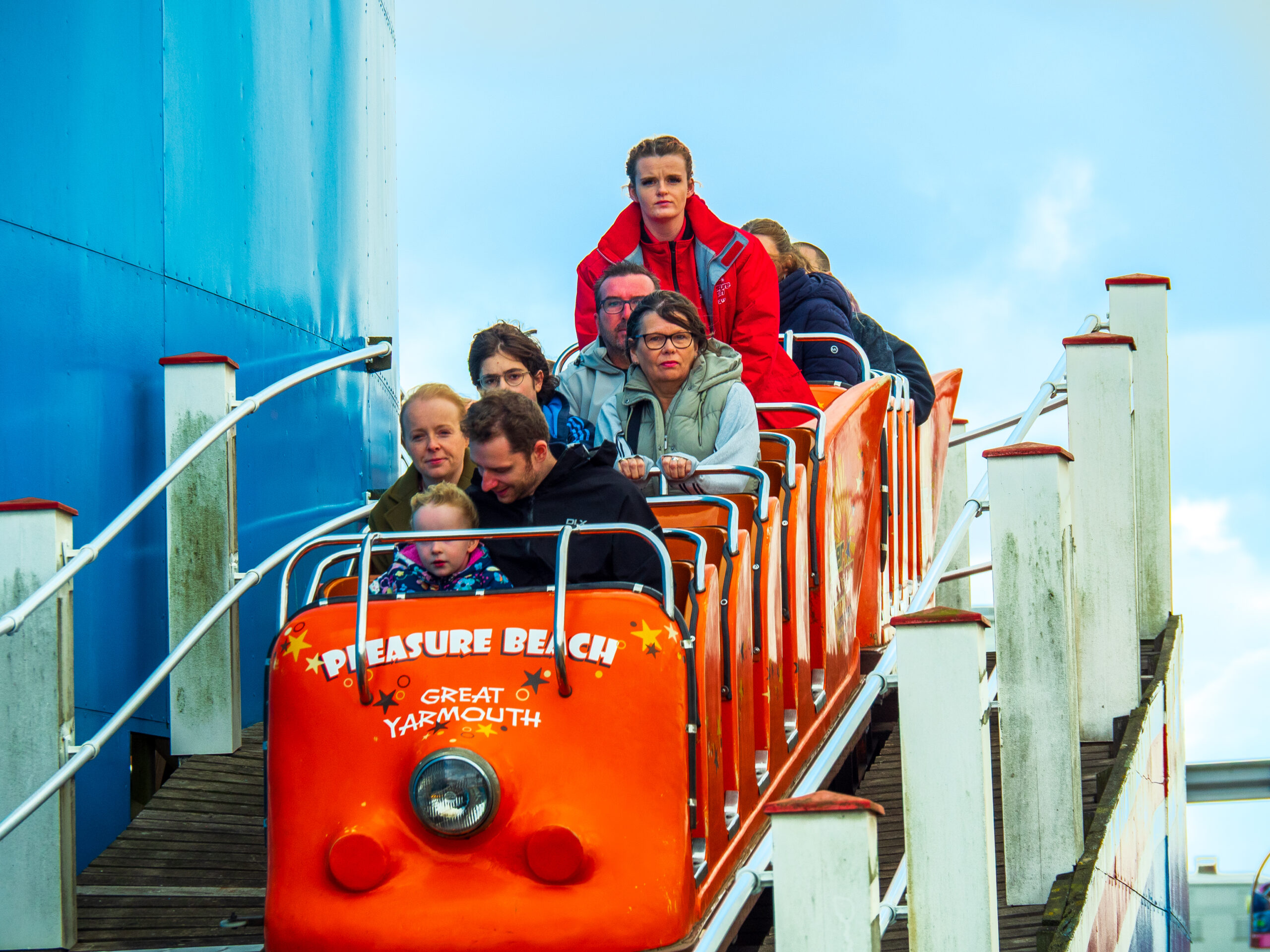
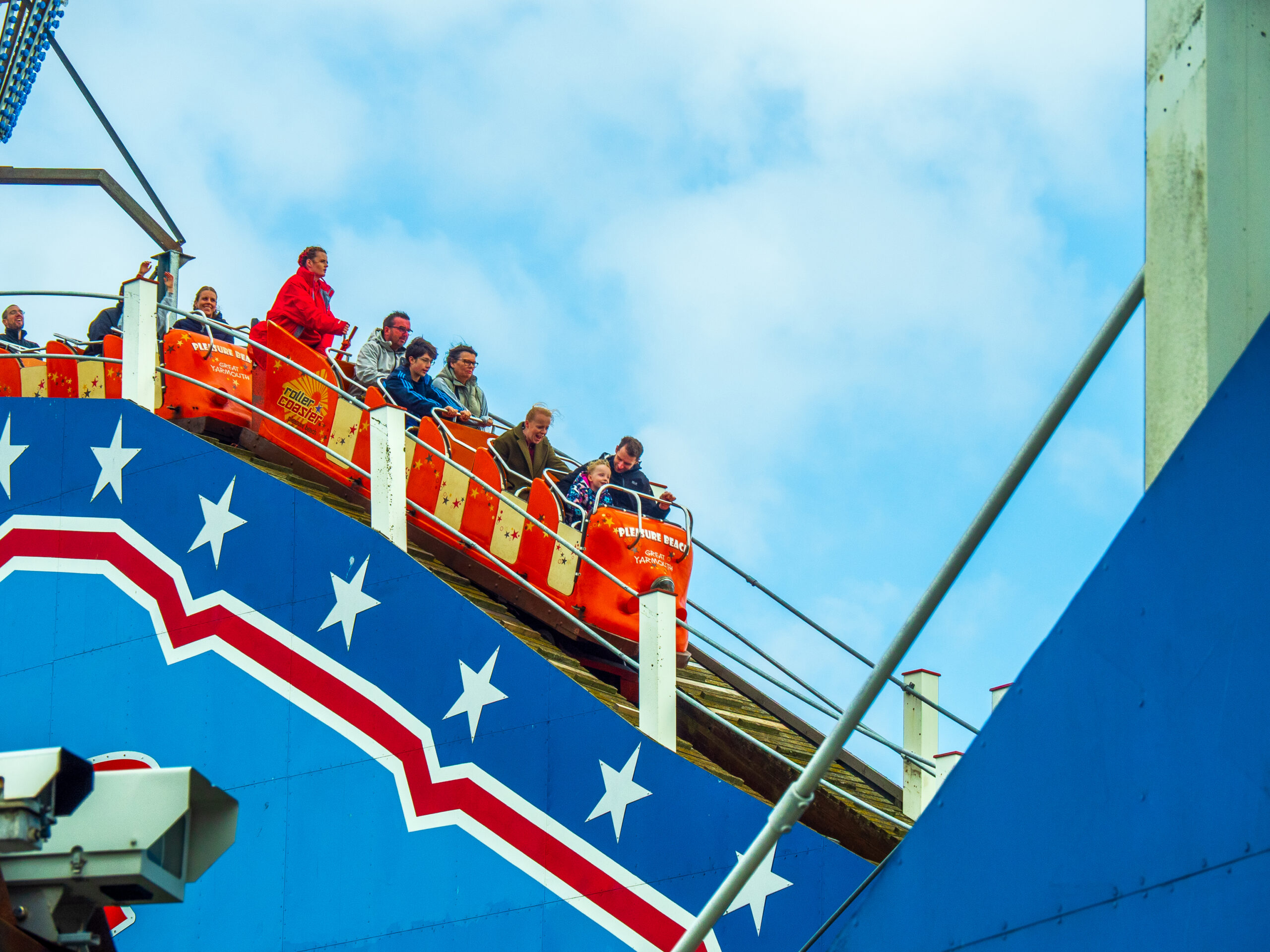
Rollercoaster is a wooden rollercoaster that spans approximately two thirds of a mile and lasts around three minutes, reaching a top speed of 45 mph. It features nine drops throughout the course, with multiple trains in operation, each capable of carrying up to 30 riders and weighing around three tonnes when empty. Like any other rollercoaster, after the initial ascent, the ride is powered purely by gravity. The lift hill is driven by a 120 metre steel chain with an 18 centimetre pitch, powered by a 70 horsepower motor that uses 53 kW of energy. The original pulling cog at the base of the lift hill remains in operation today. What makes this coaster unique is the brakeman, who sits in the middle of the train to control the speed of the coaster. It is one of only two coasters in the UK to have this feature, with the other being in Dreamland Margate.
[Update] As of January 2026, Rollercoaster stands as the only remaining rollercoaster to feature a brakeman, after Dreamland Margate announced the sudden closure of its Scenic Railway, cementing Rollercoaster’s status as a true gem in the theme park landscape.
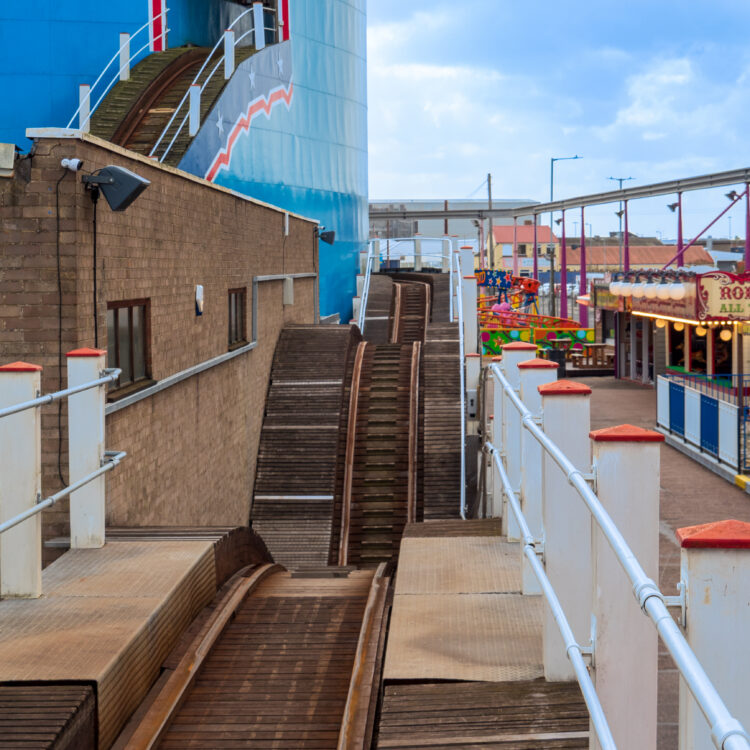
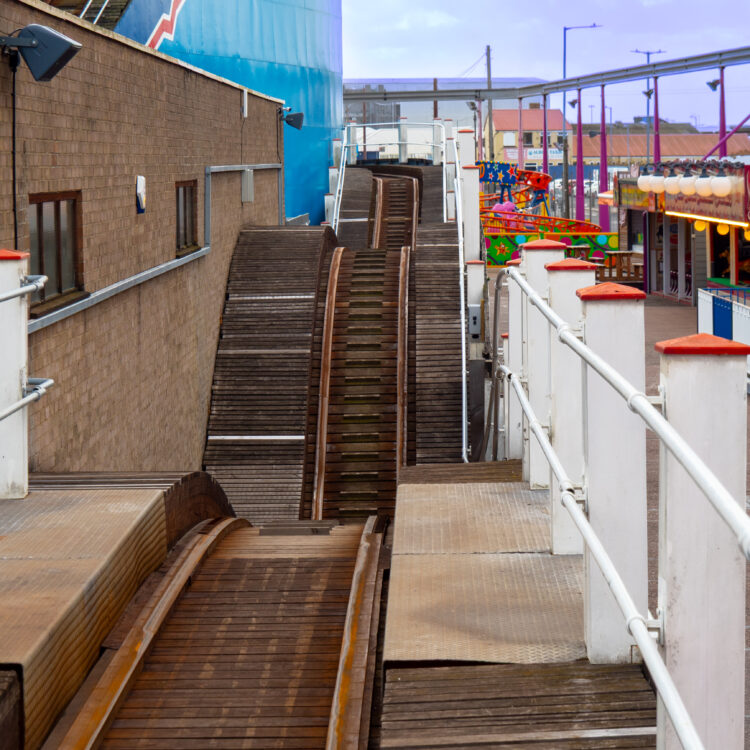
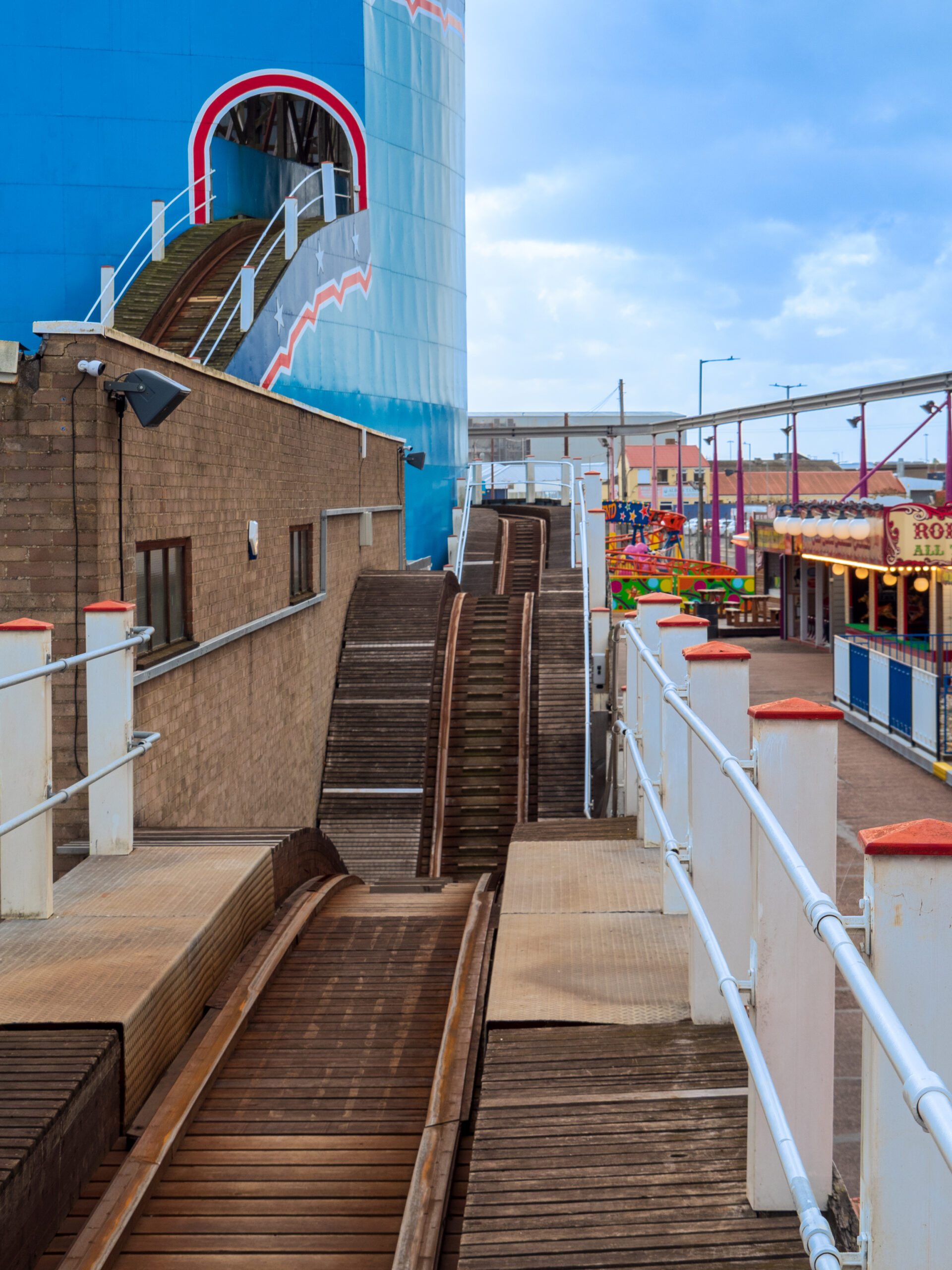
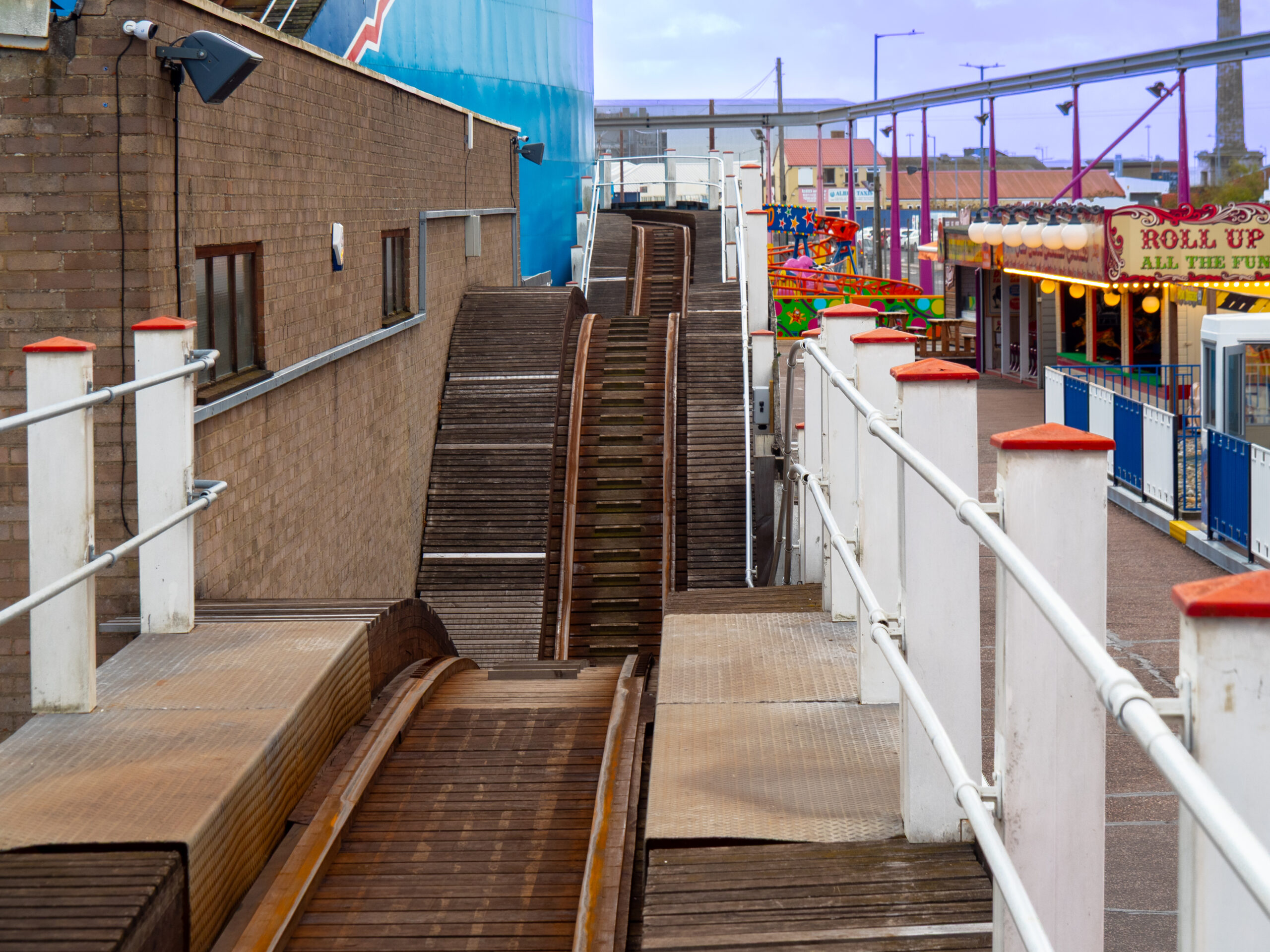
During our tour, we were joined by Kevin, a member of the maintenance team at Great Yarmouth Pleasure Beach. As we walked the track, I learned how much maintenance Rollercoaster undergoes, both daily and as part of its long-term upkeep, with a significant amount of work taking place during the closed season. This year alone, painting of this Grade II coaster continues, and once completed, it is expected that around 150 five litre drums of paint will have been used.
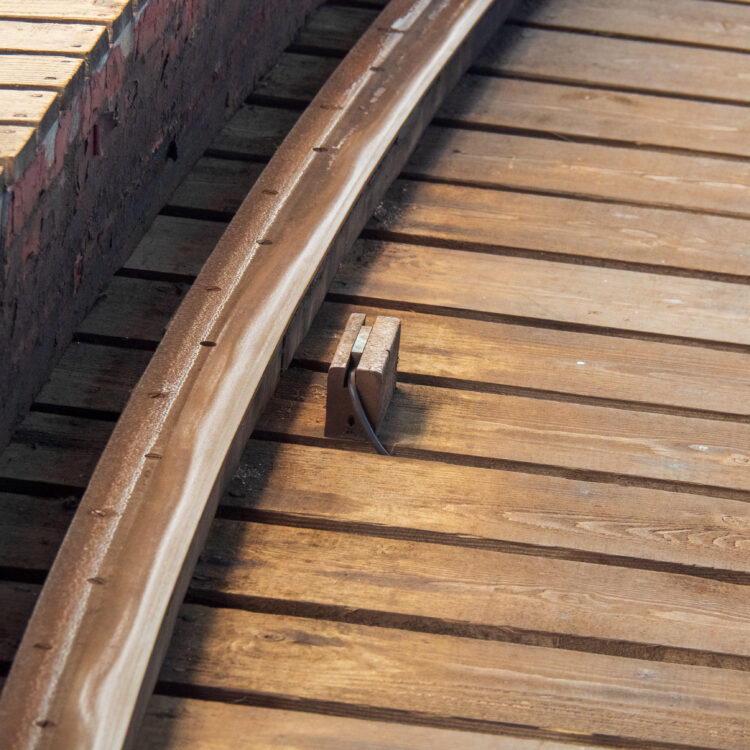
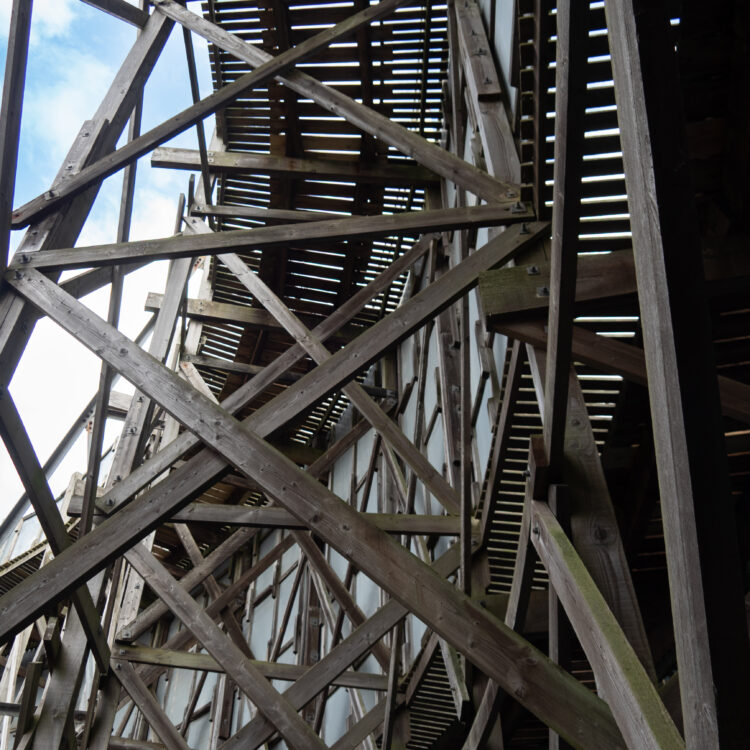
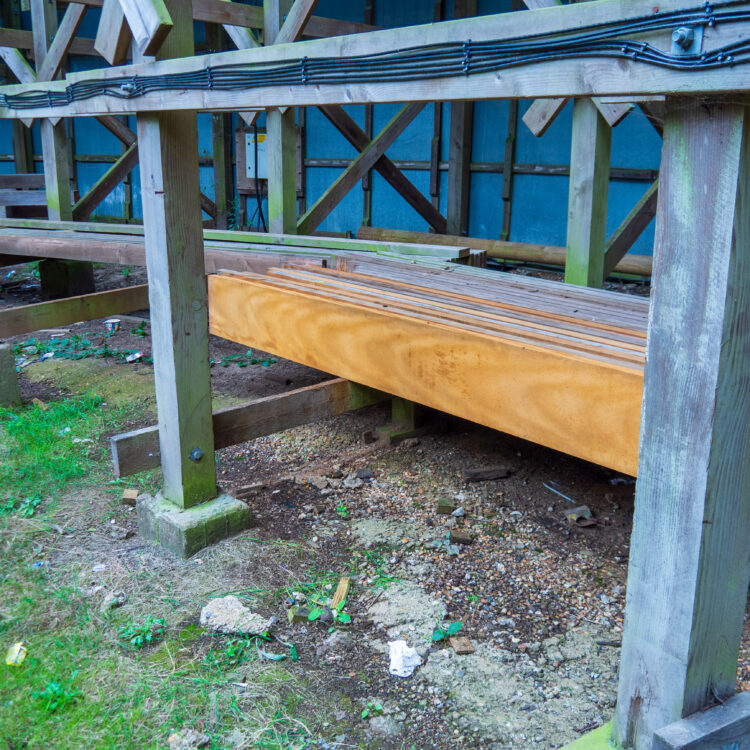
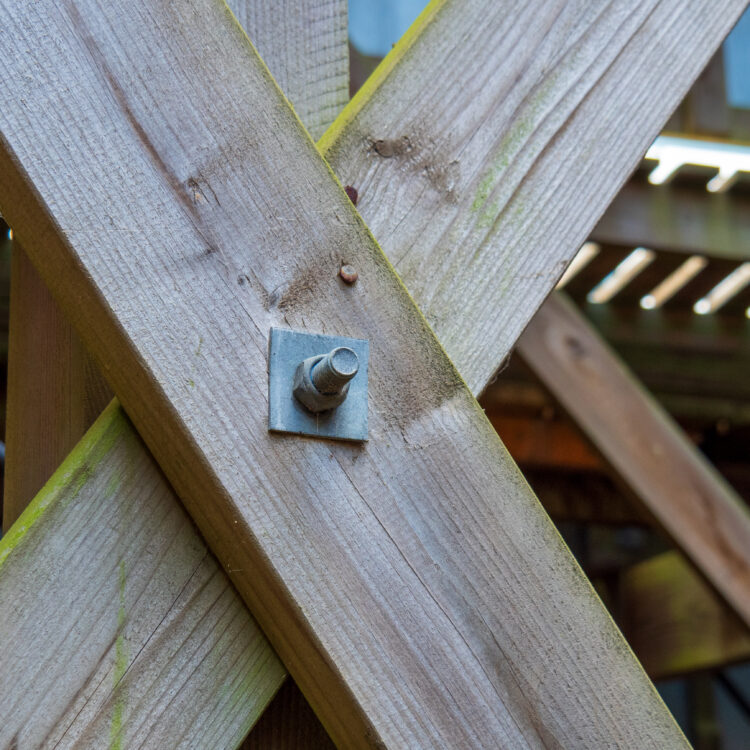
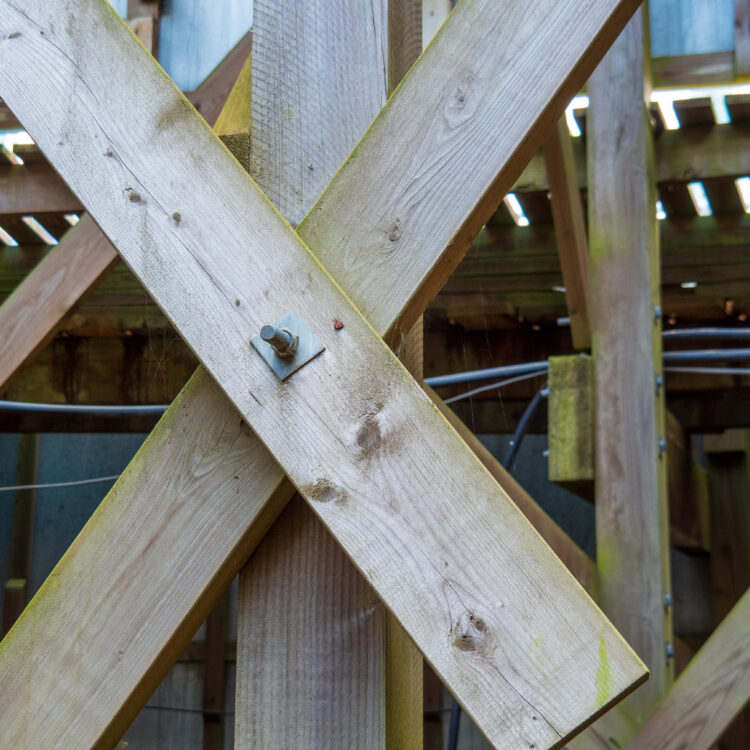
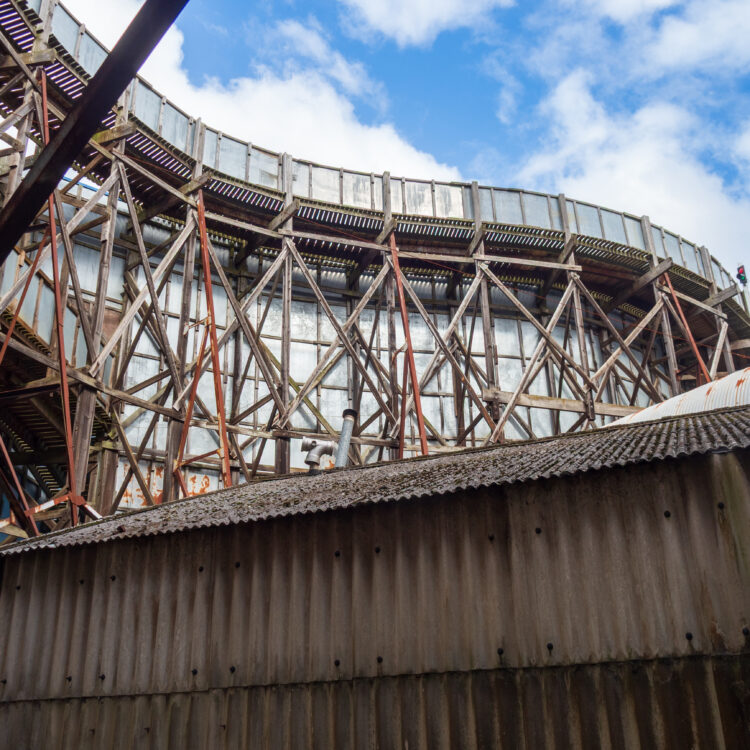
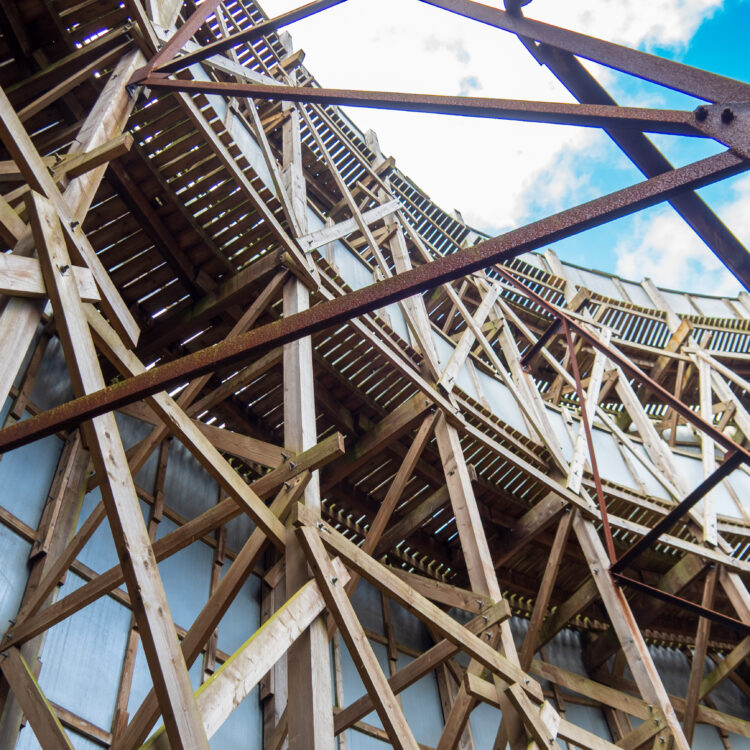
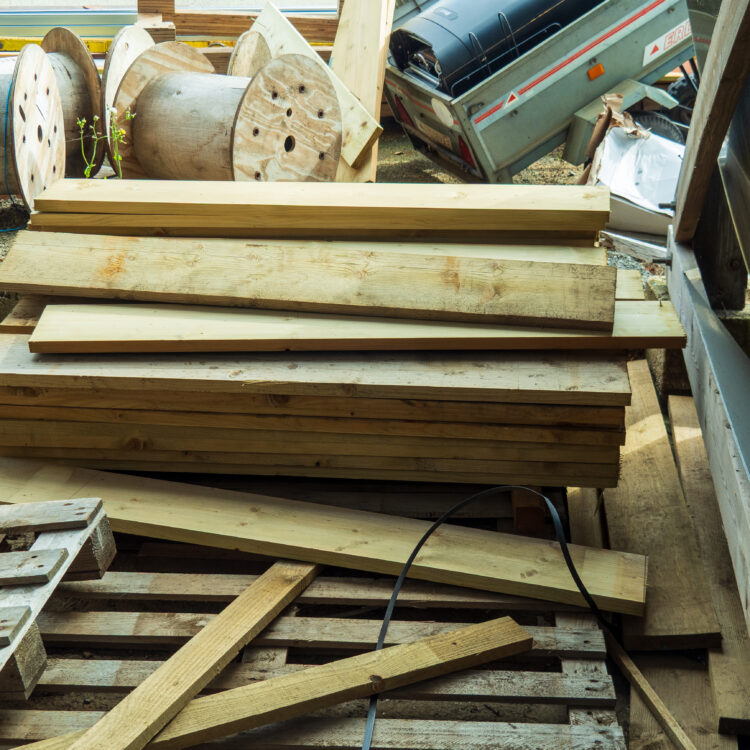
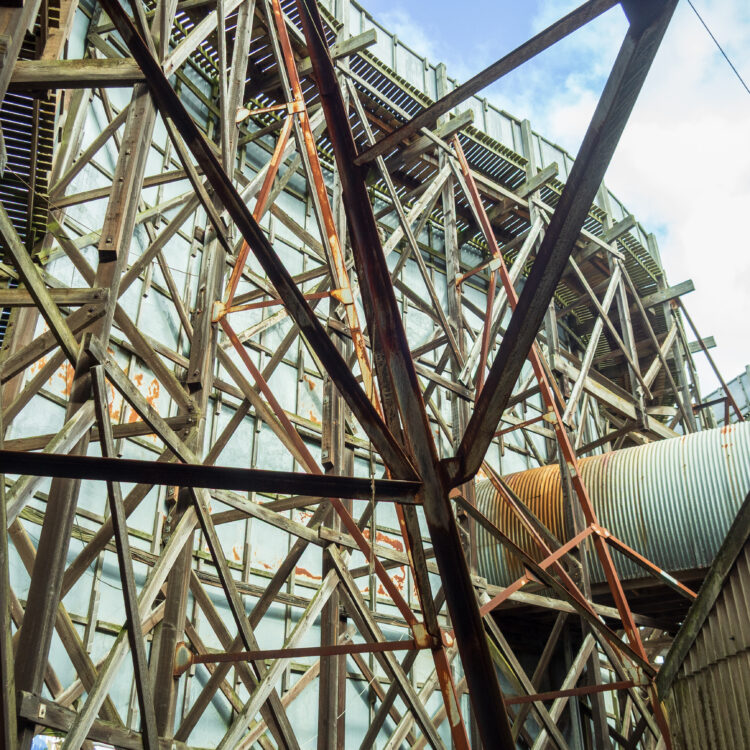
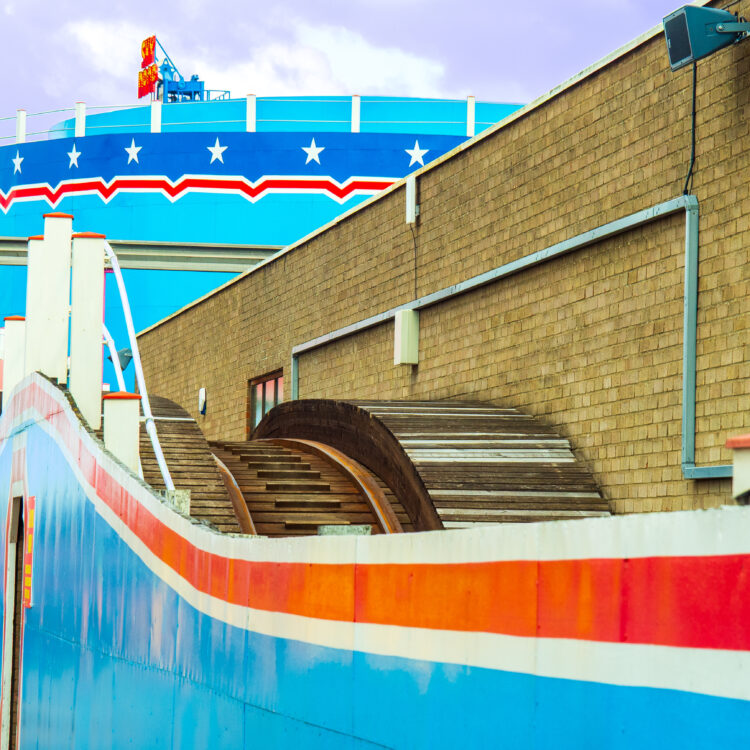
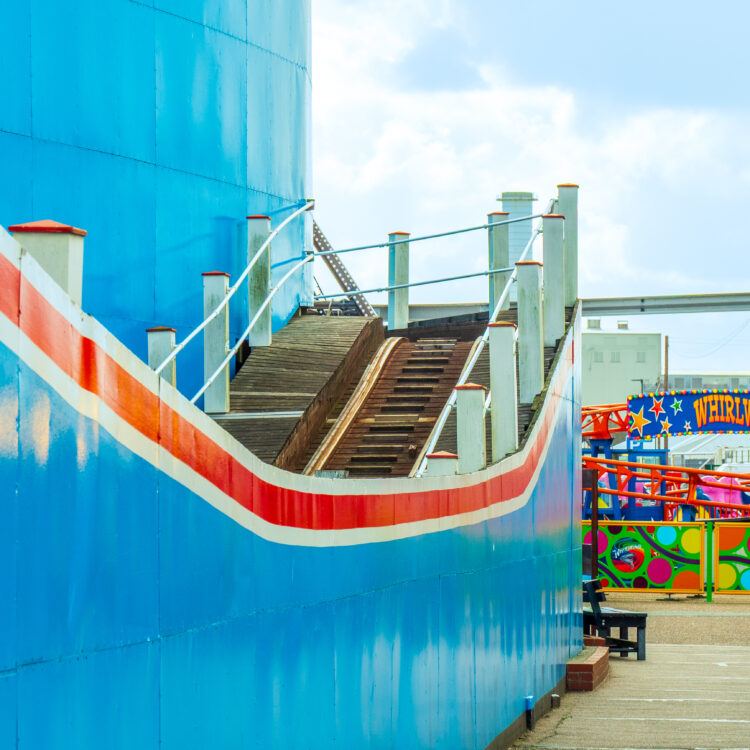
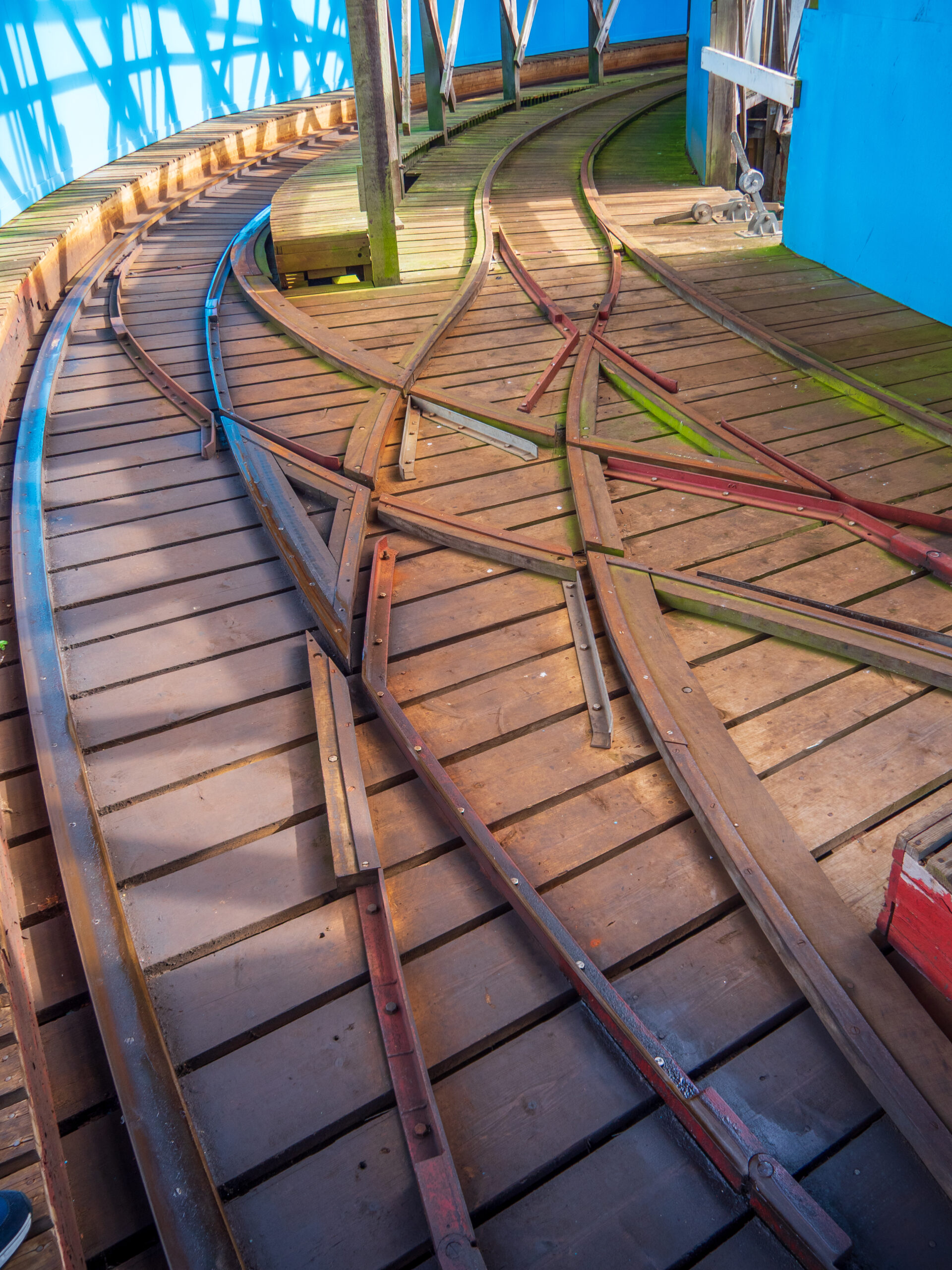
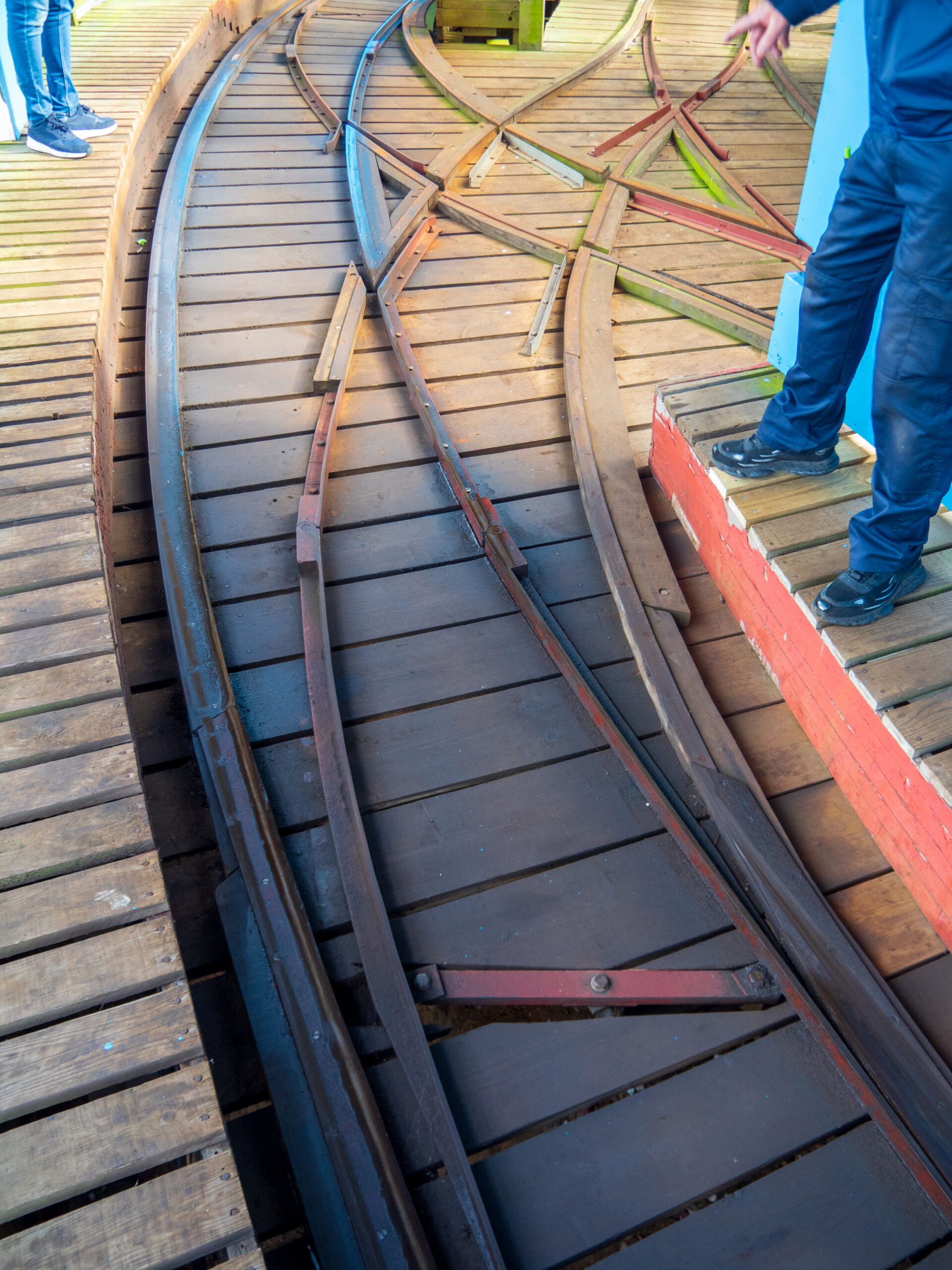
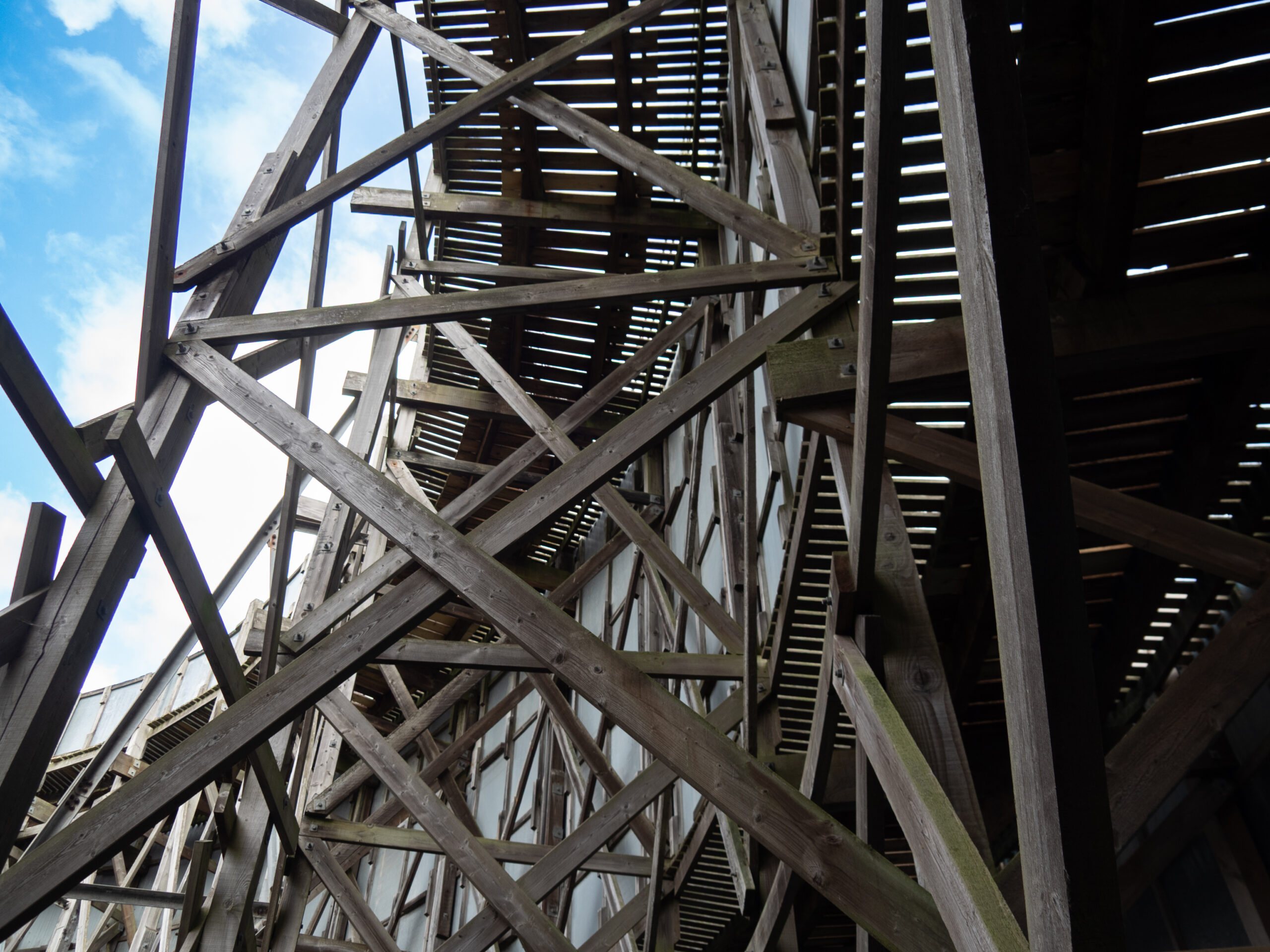
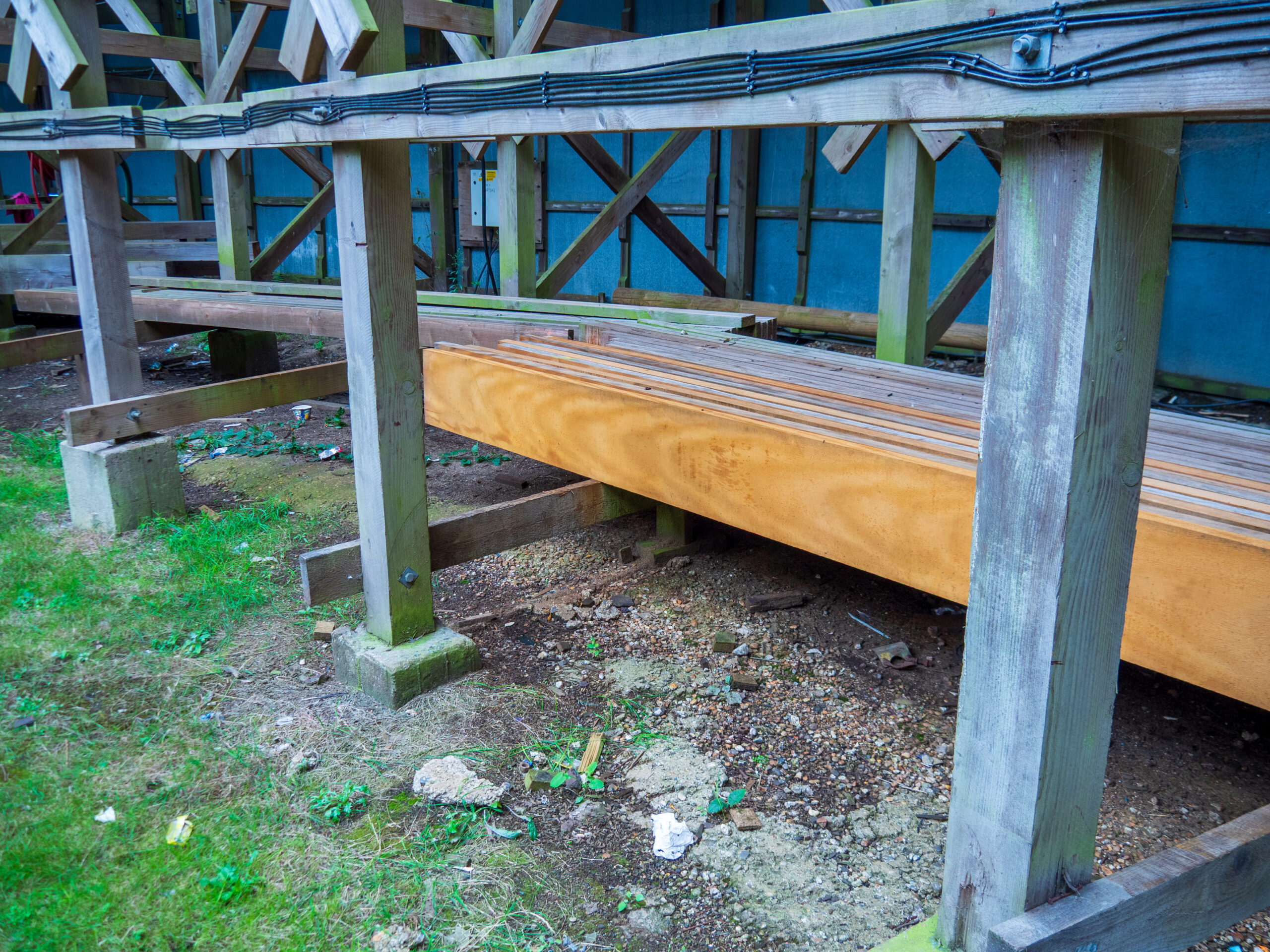
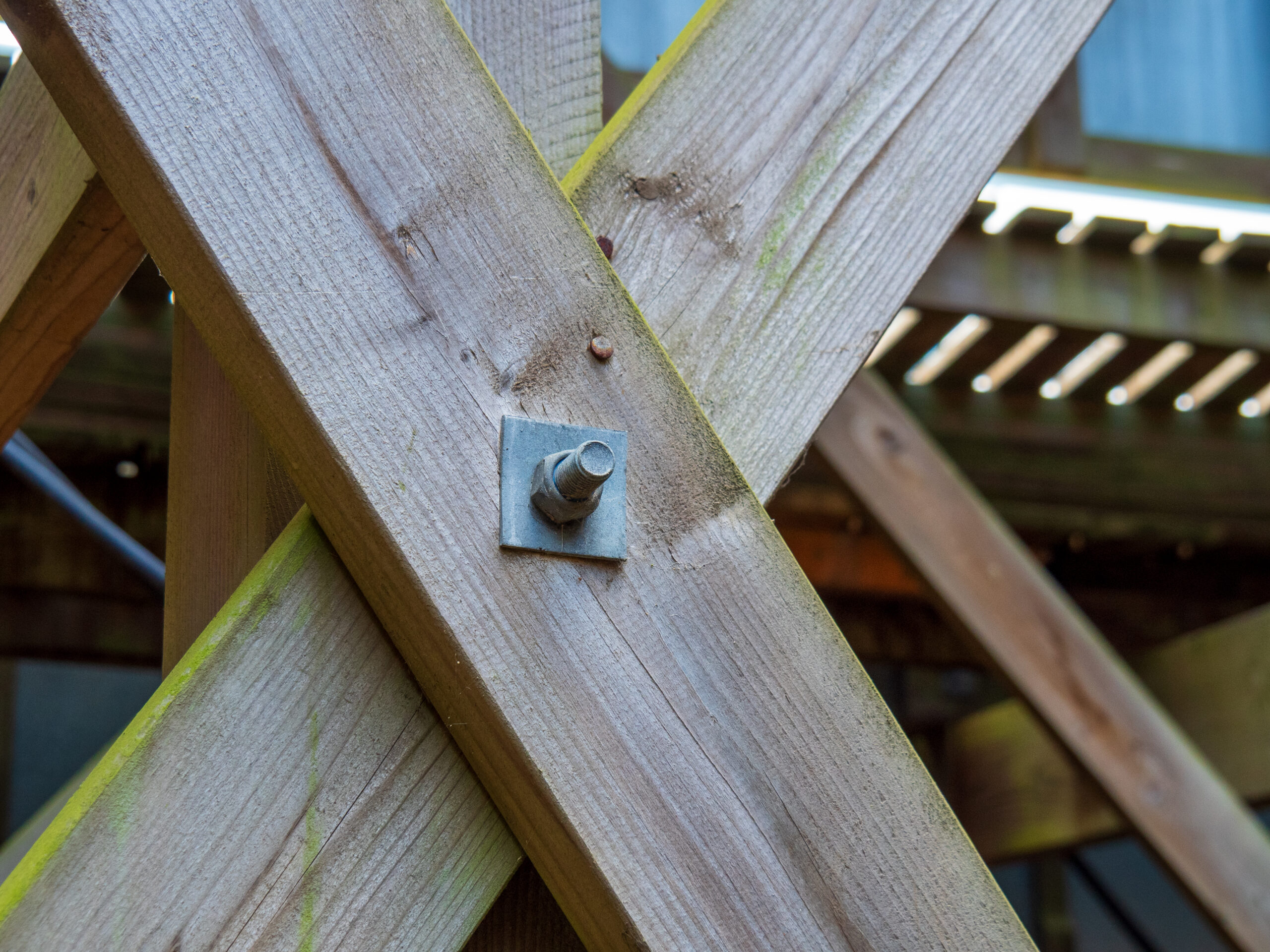
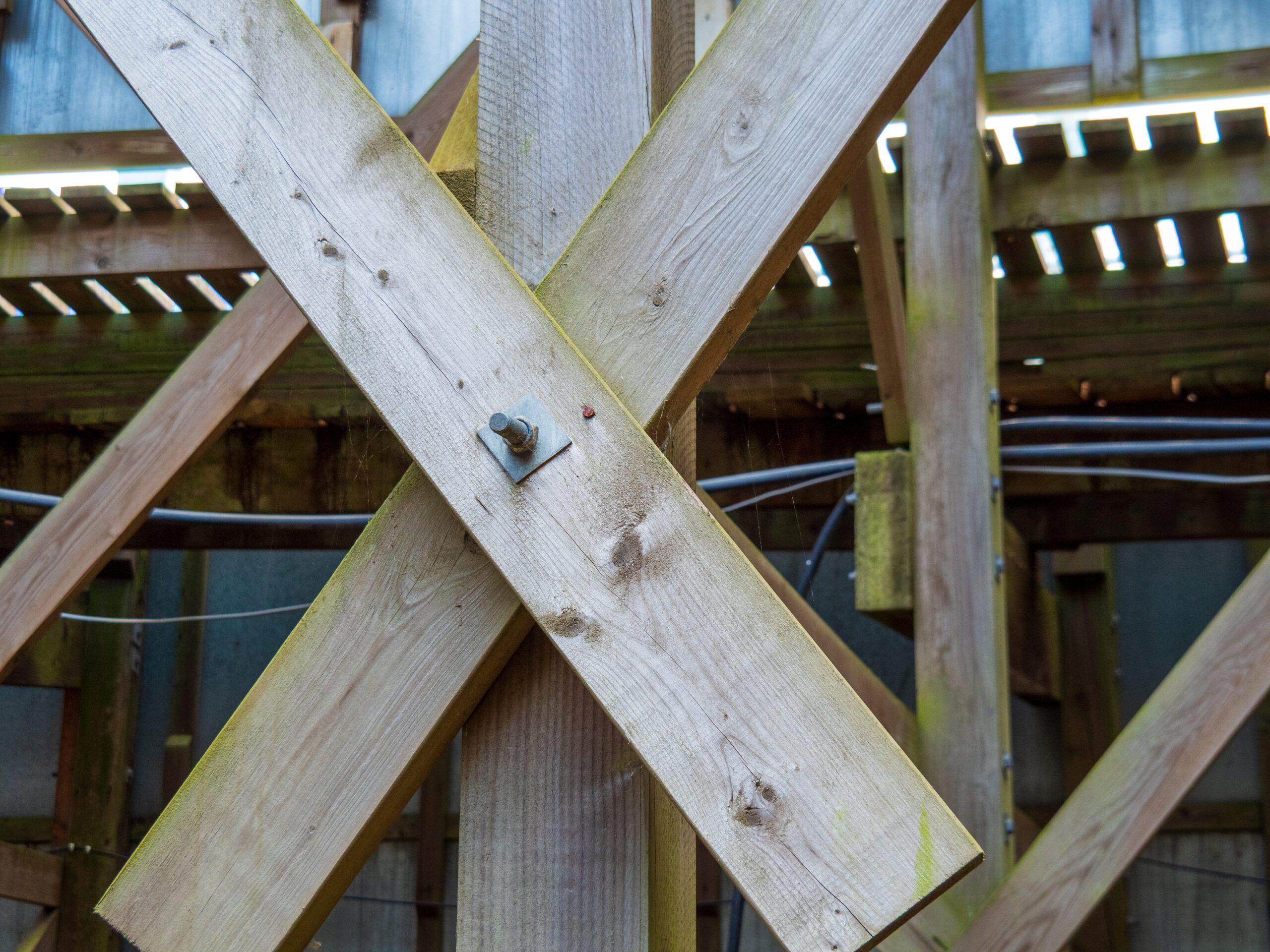
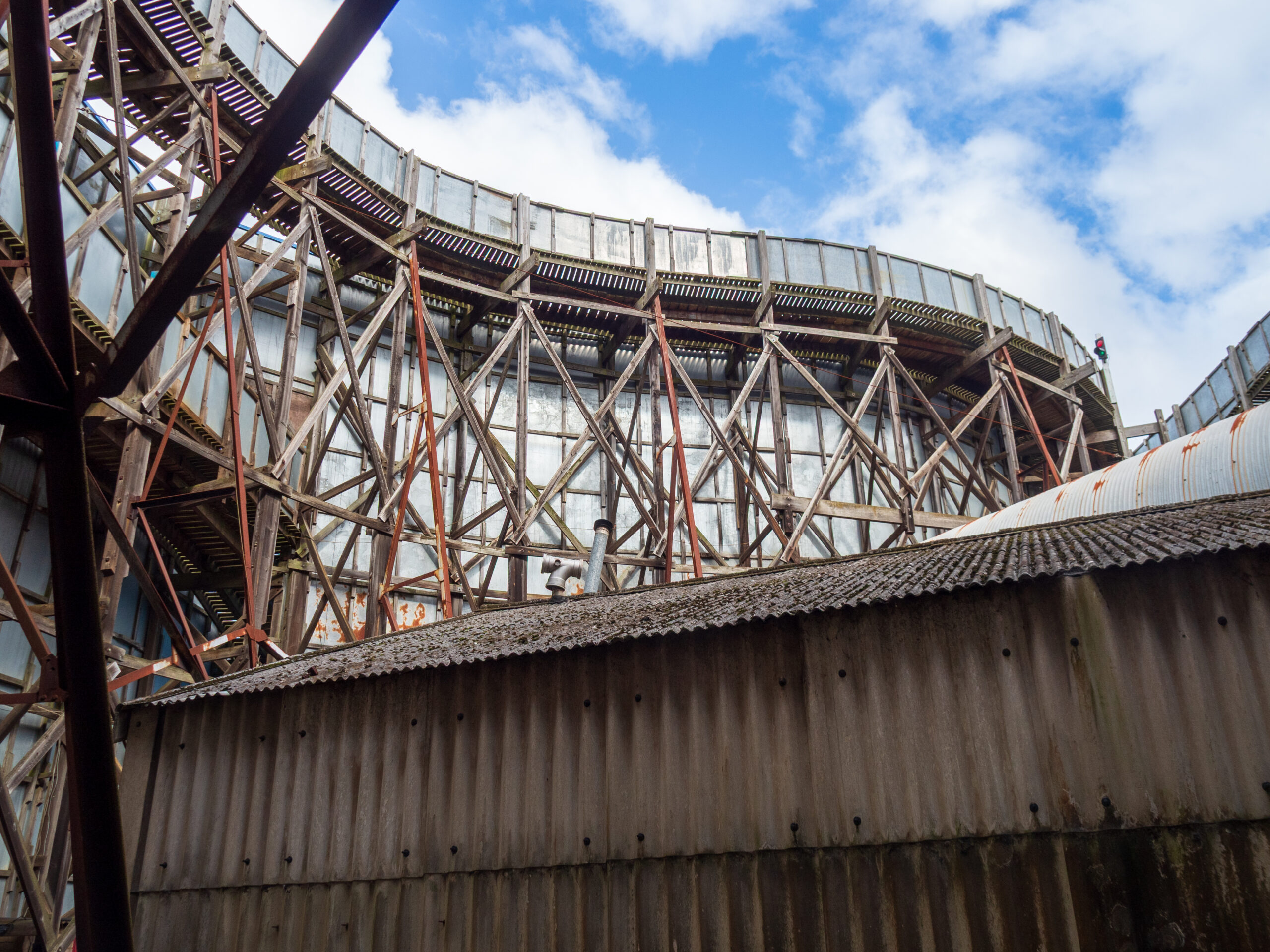
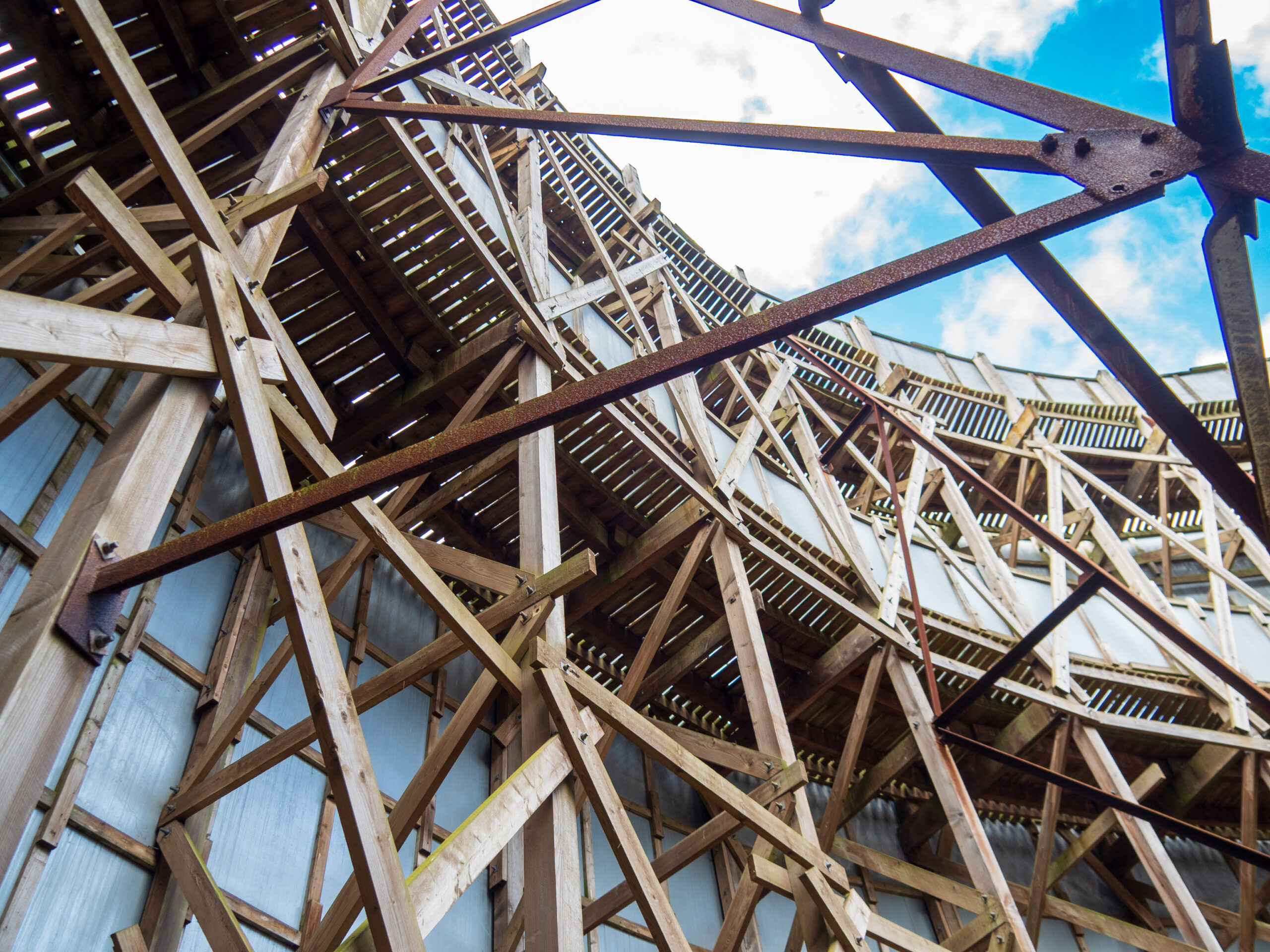
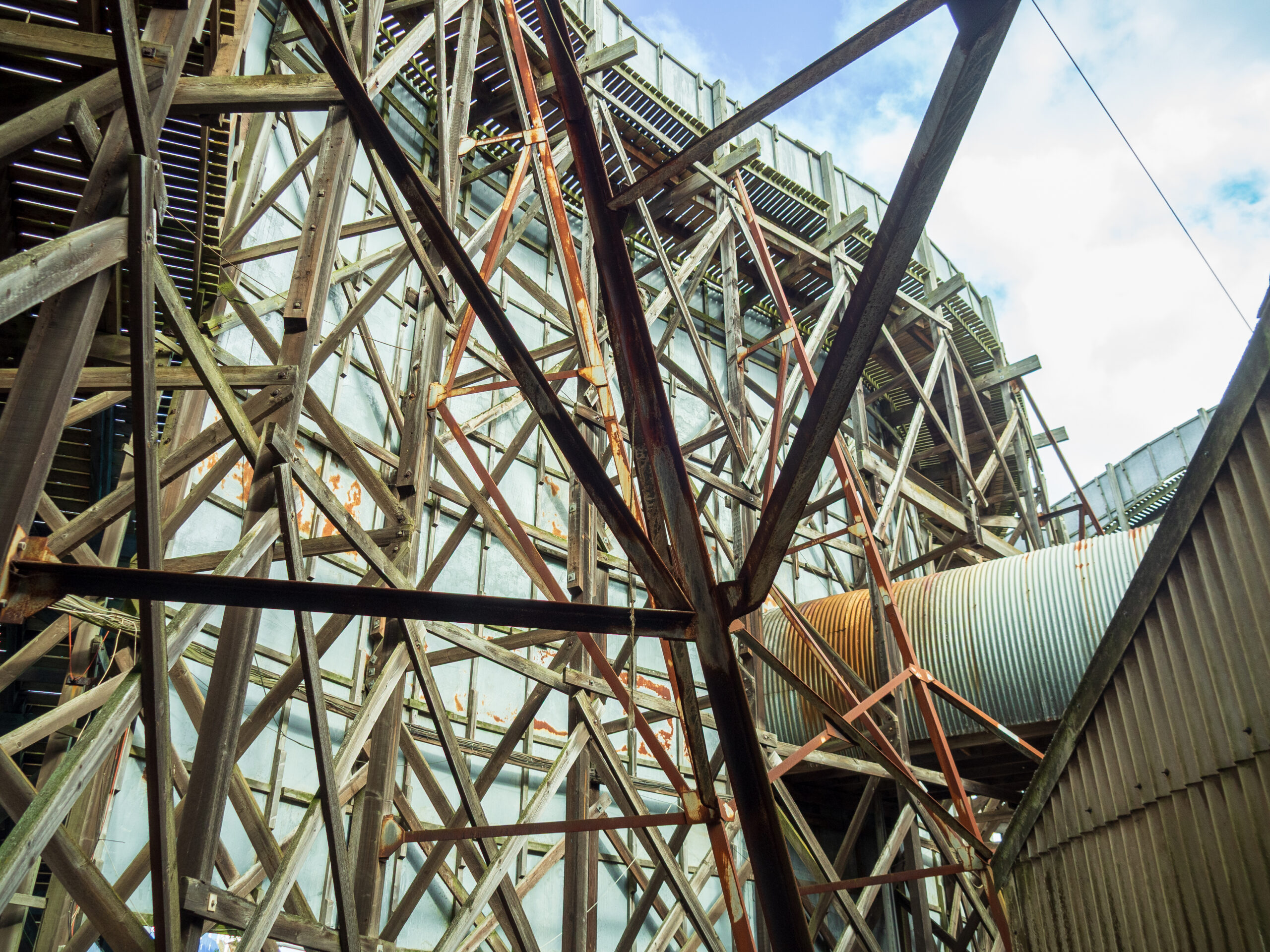
Kevin took the time to explain that sections of the metal track are regularly replaced and realigned. Timber joists, beams and columns are also changed over time, as their lifespan is influenced by airflow and their position within the structure. In some areas, timber may last just three to four years, while in others it can endure for several decades. Exposure to sea air makes this Scenic Railway an especially interesting ride to maintain.
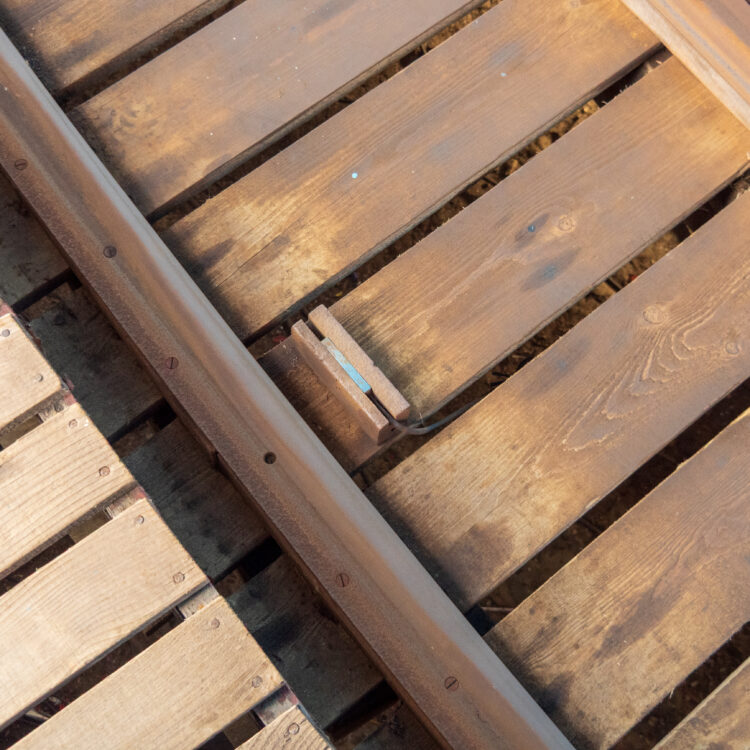
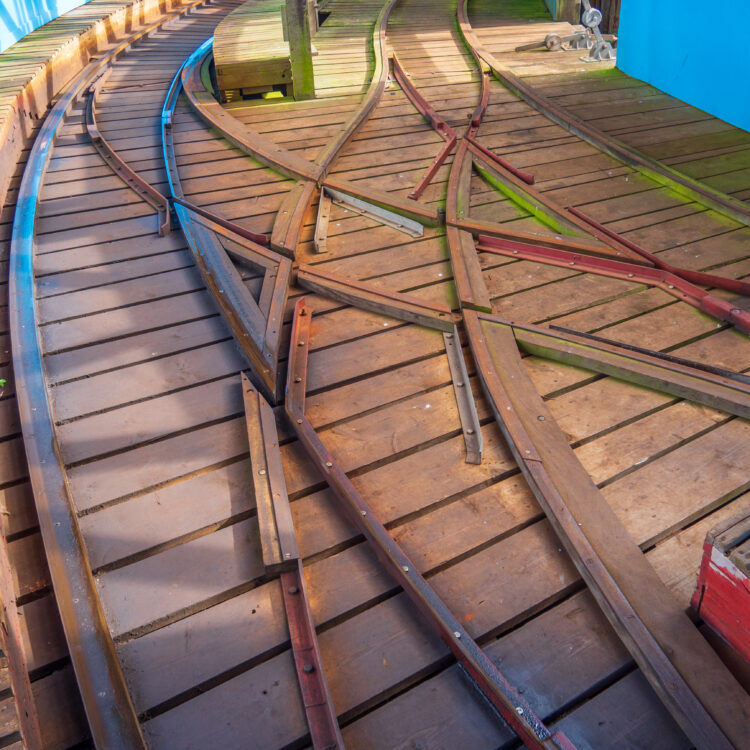
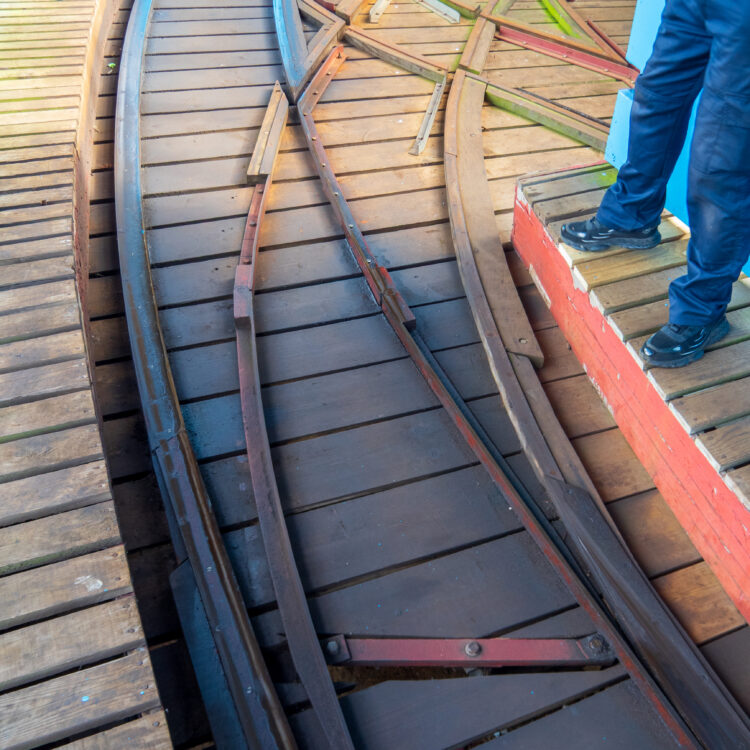
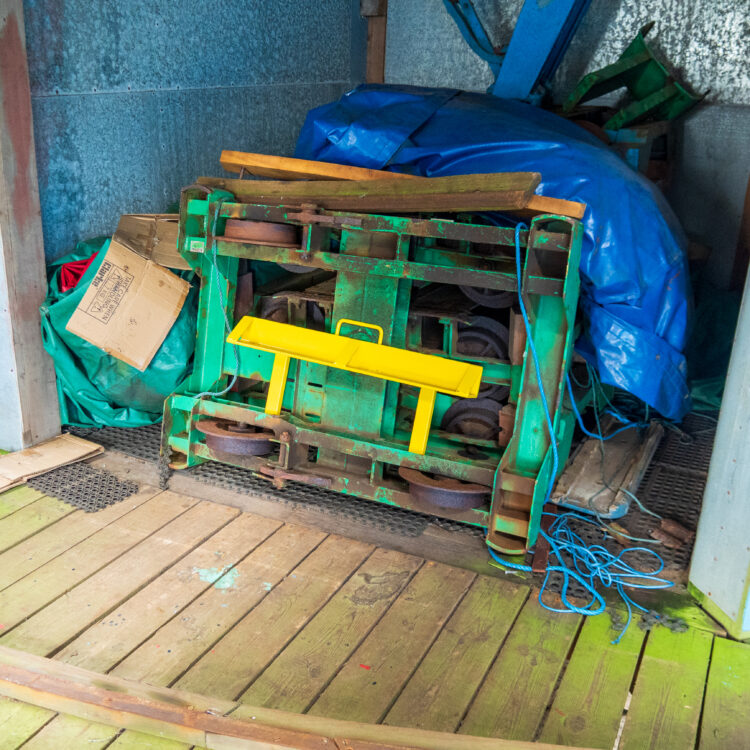
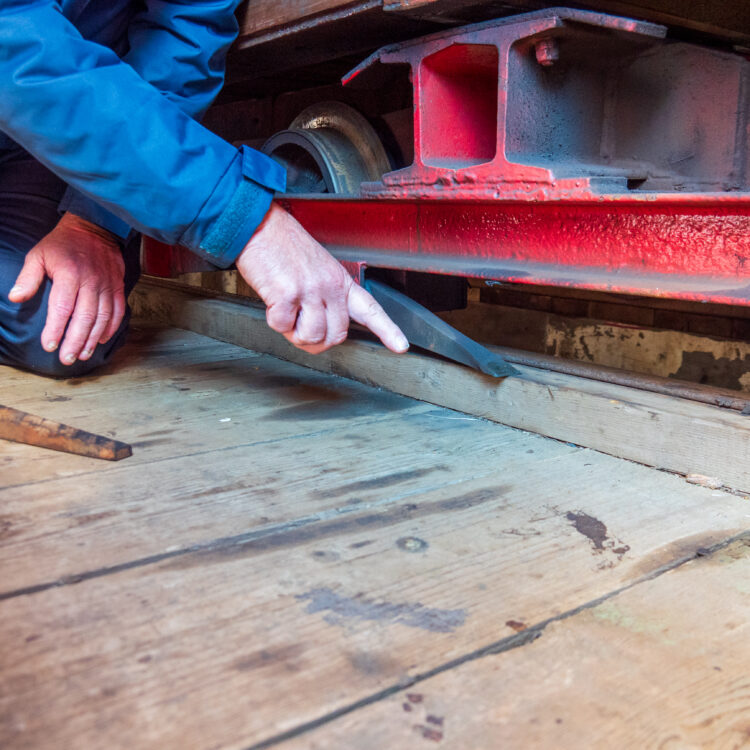
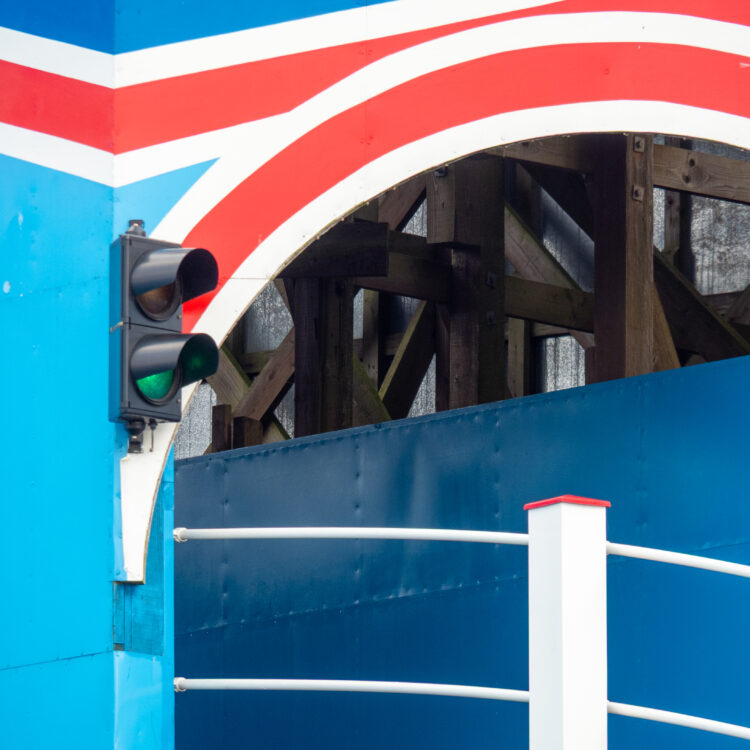
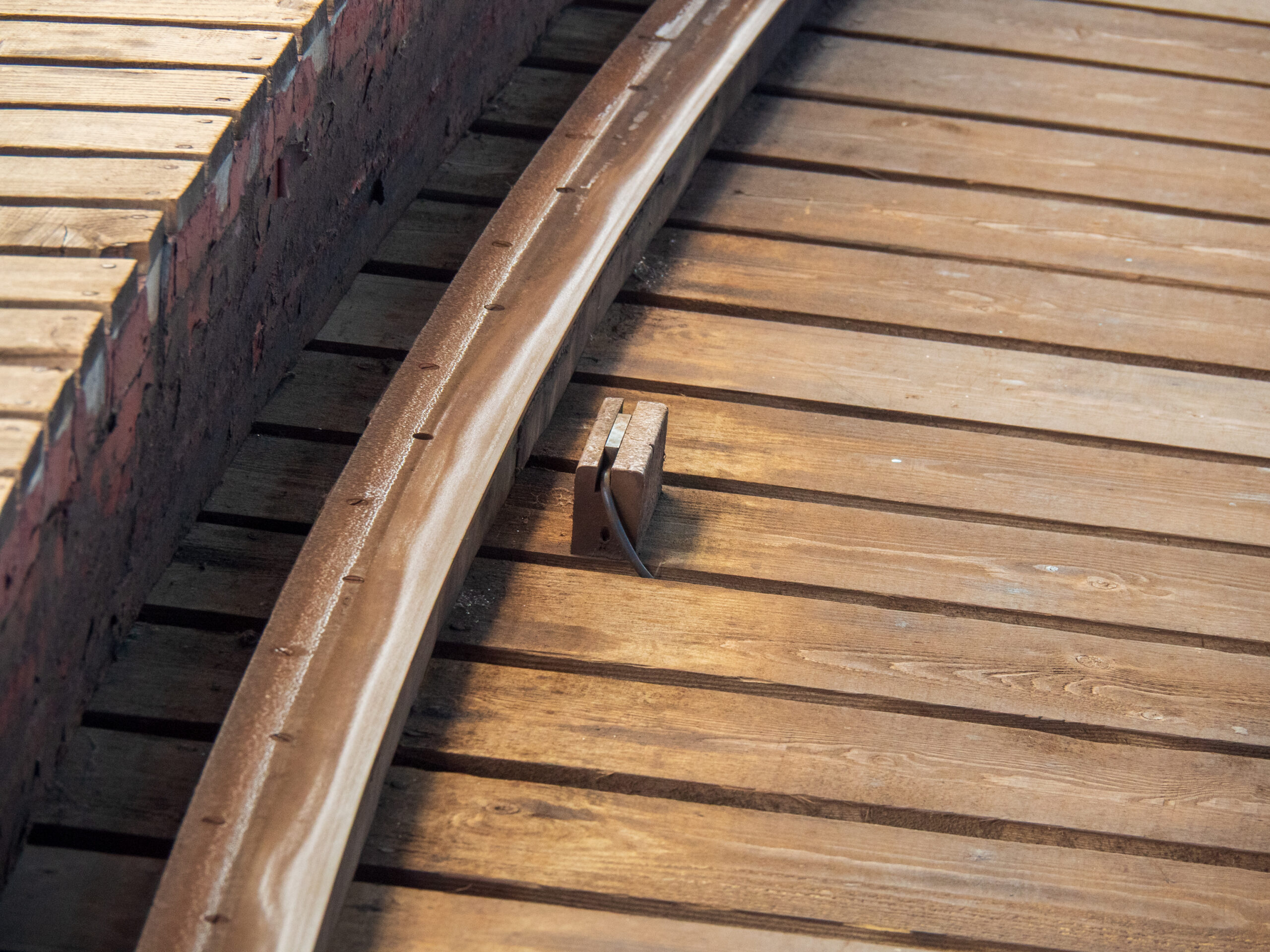
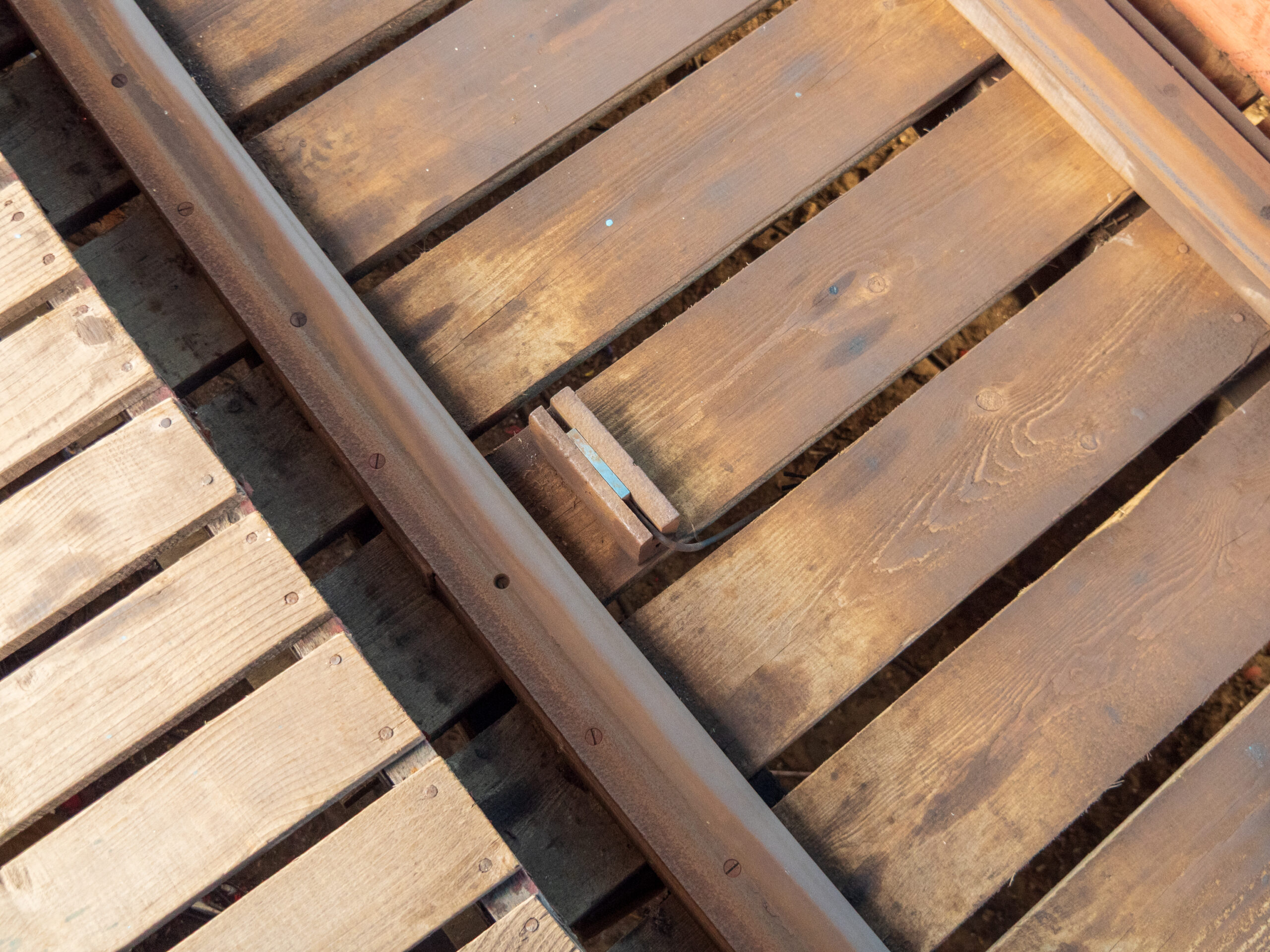
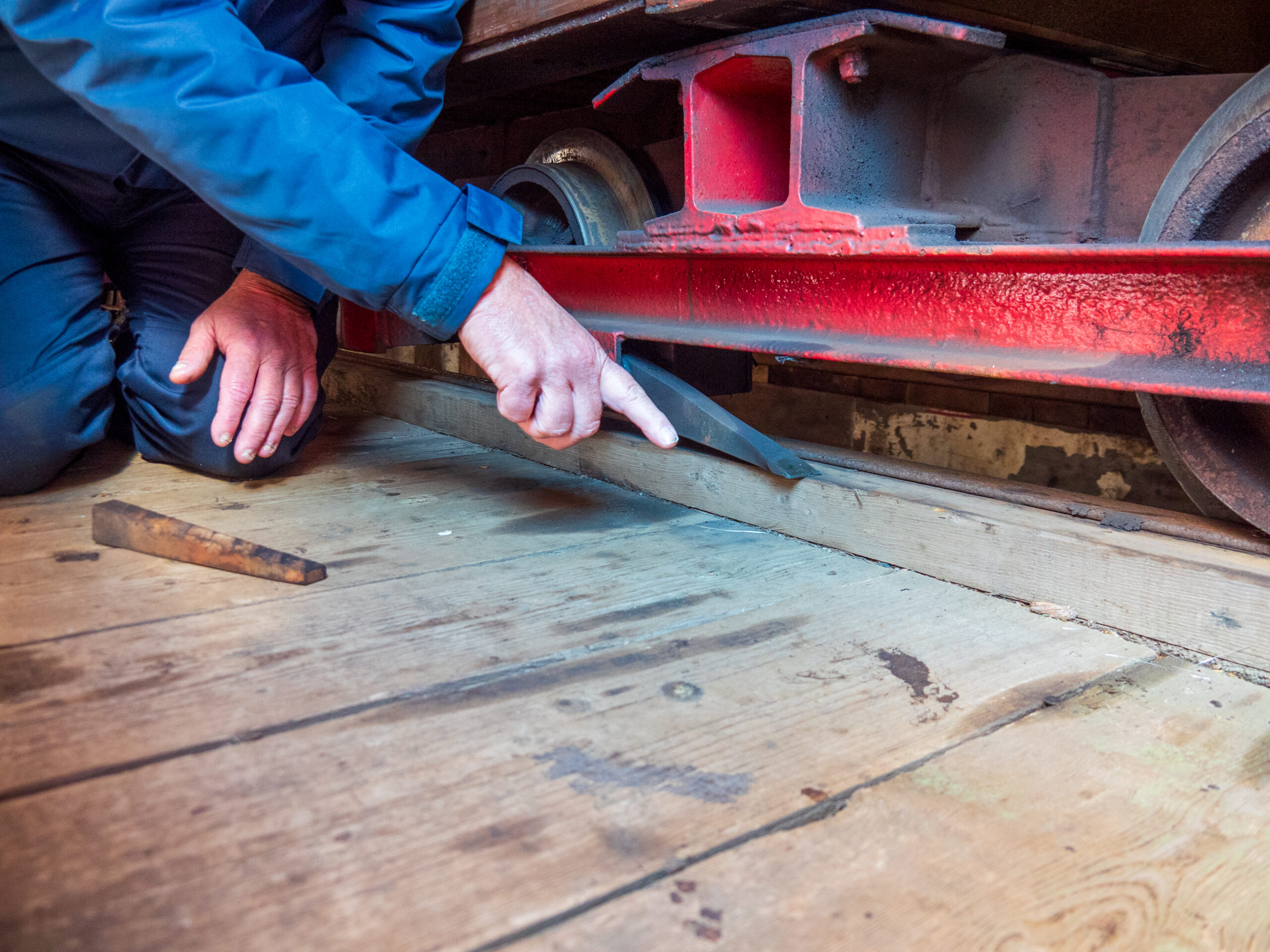
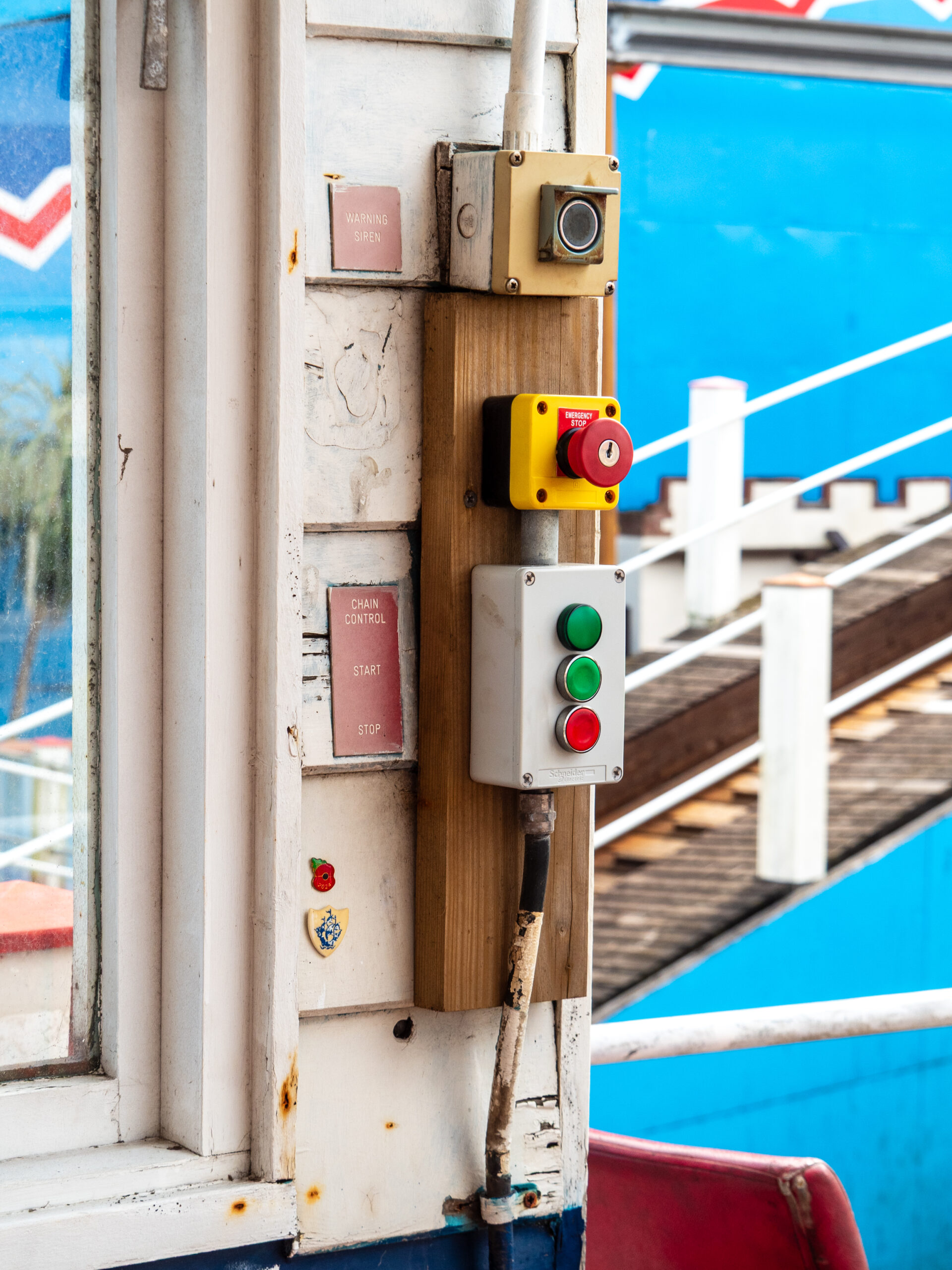
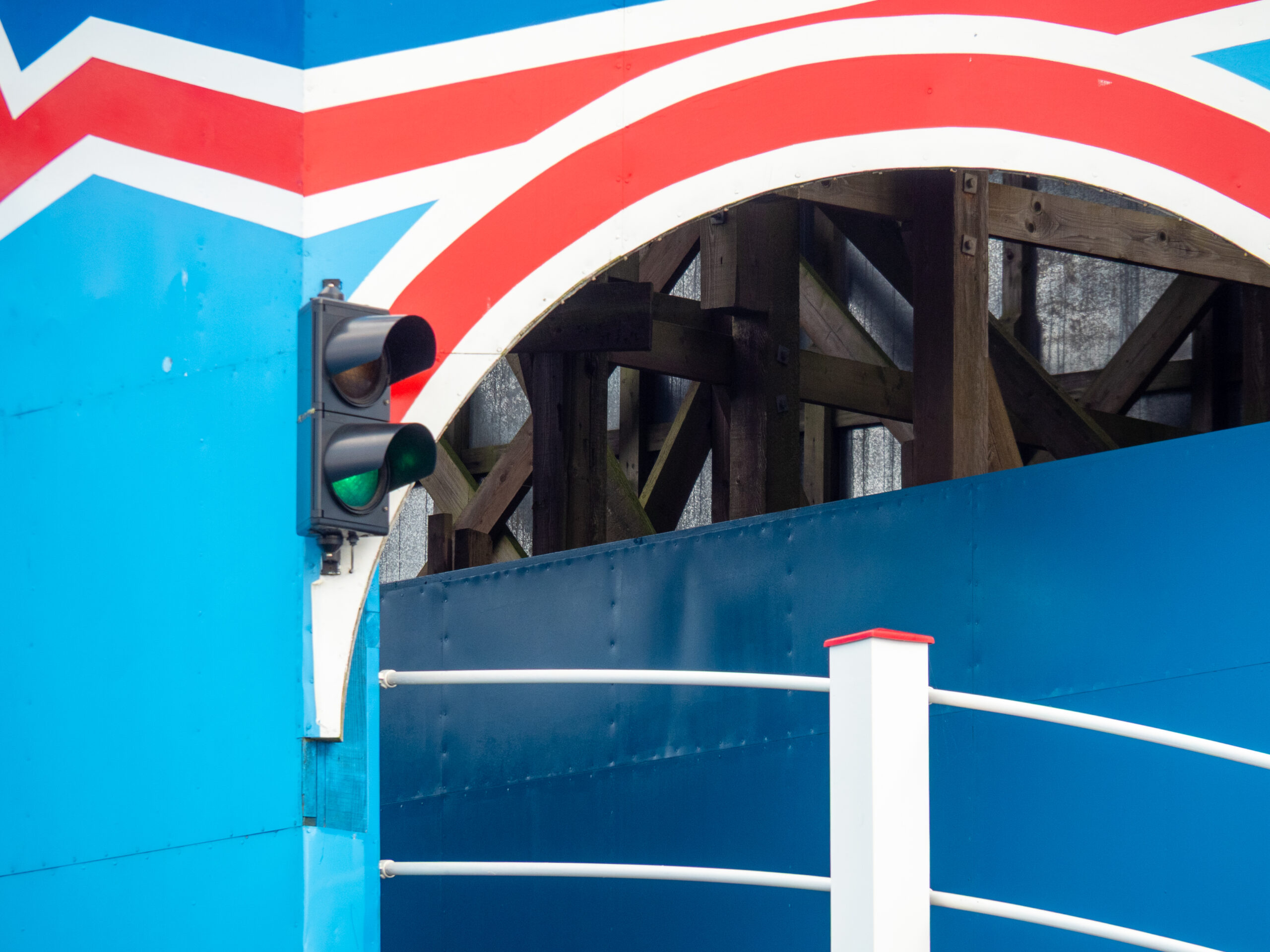
He also explained how each train behaves differently on the track, resulting in variations in the ride experience, which must be considered when operating and controlling it. Even small things such as the oiling of the track have to be carefully considered. He then talked through how the braking system works on each train, demonstrating the method used to control the speed, along with highlighting details such as the anti-rollback teeth on the train which contribute to that familiar clicking sound as trains make their way up the lift hill. Kevin also pointed out key features of the transfer track, along with sensors which control the traffic lights seen across the coaster to signal to the brakeman if the path ahead is clear.
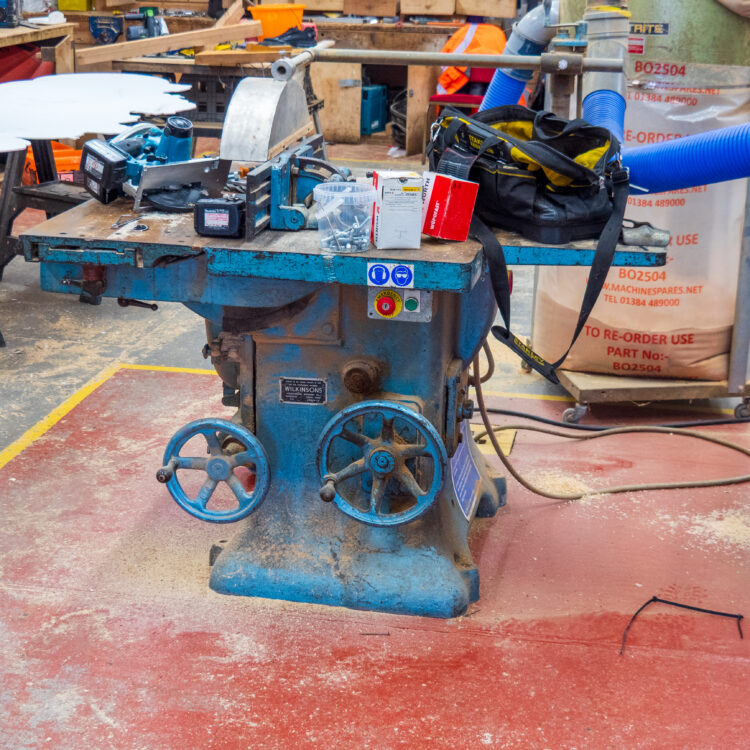
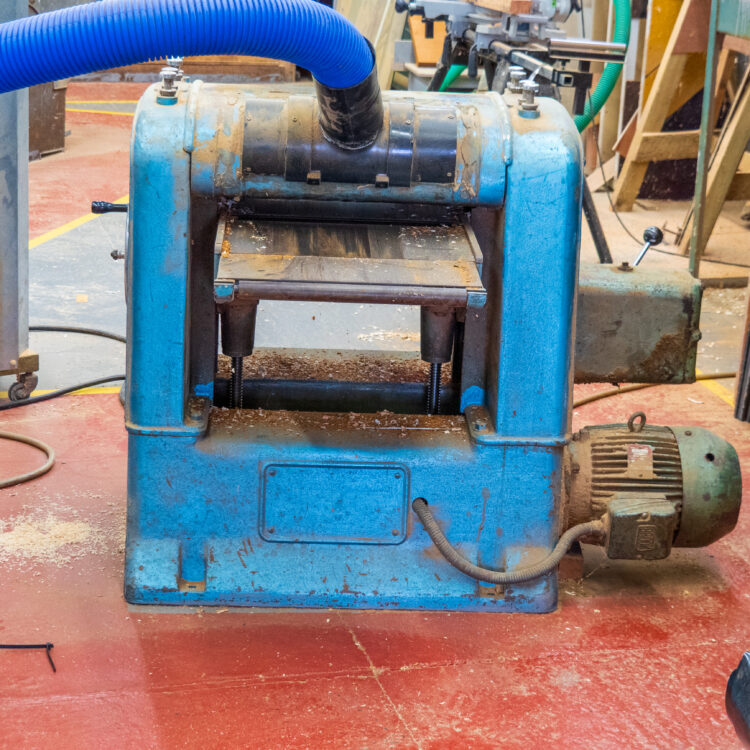
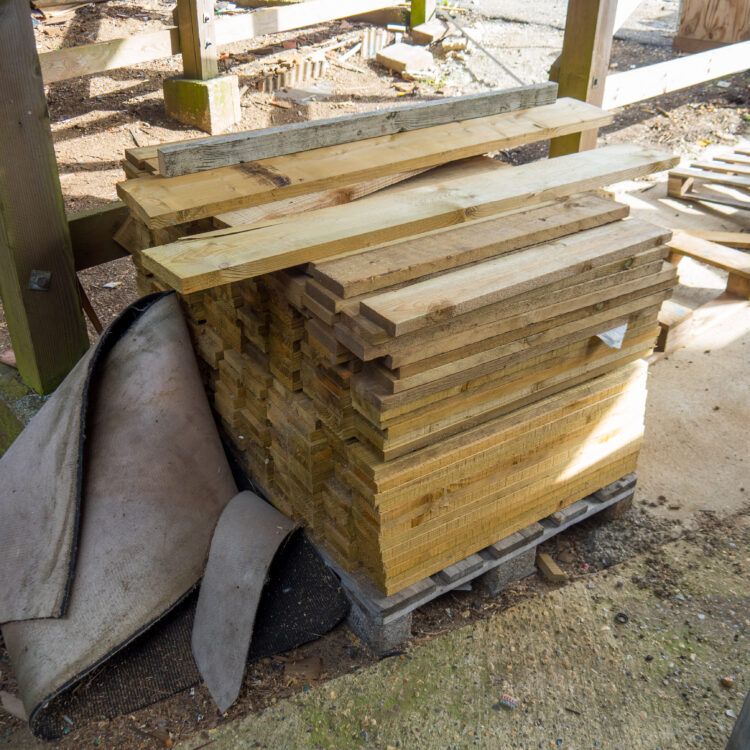
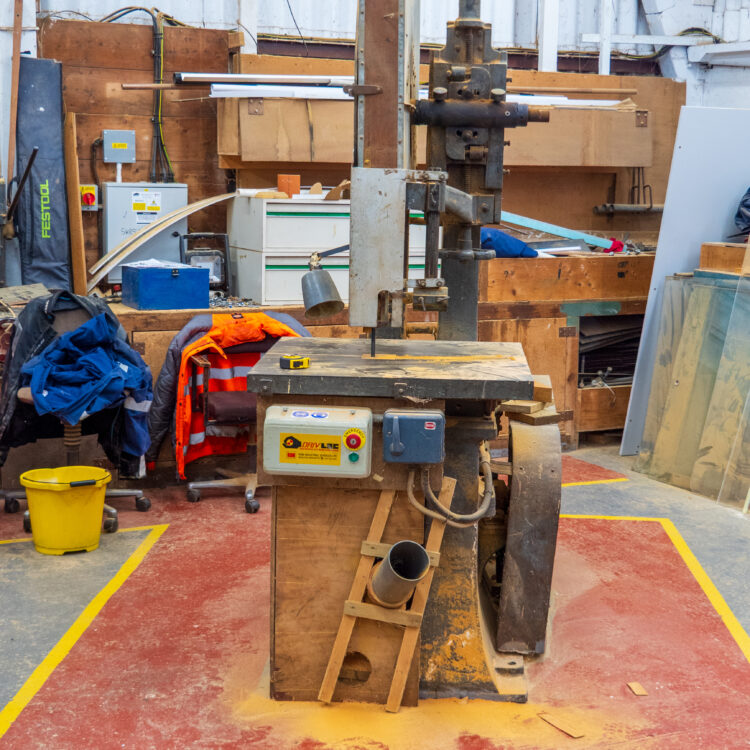
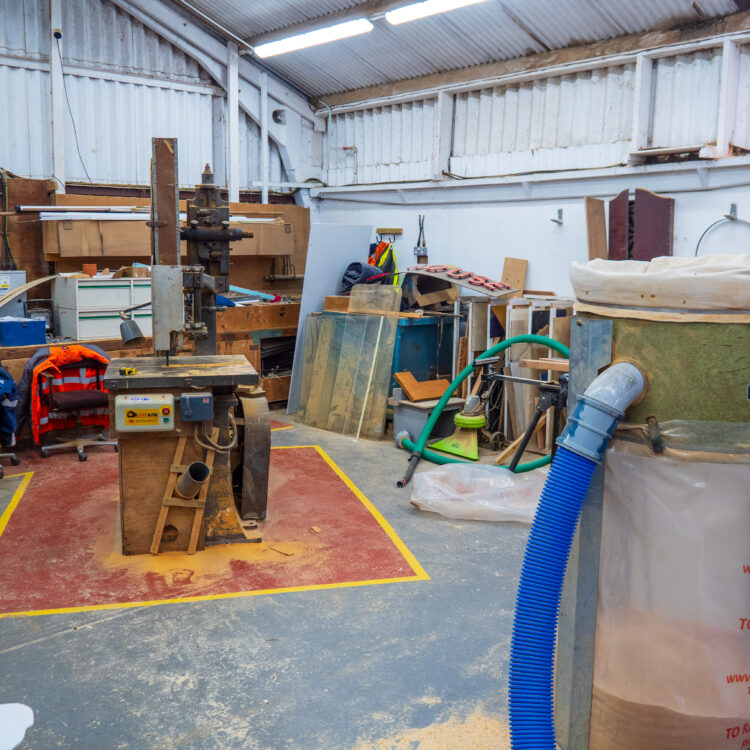
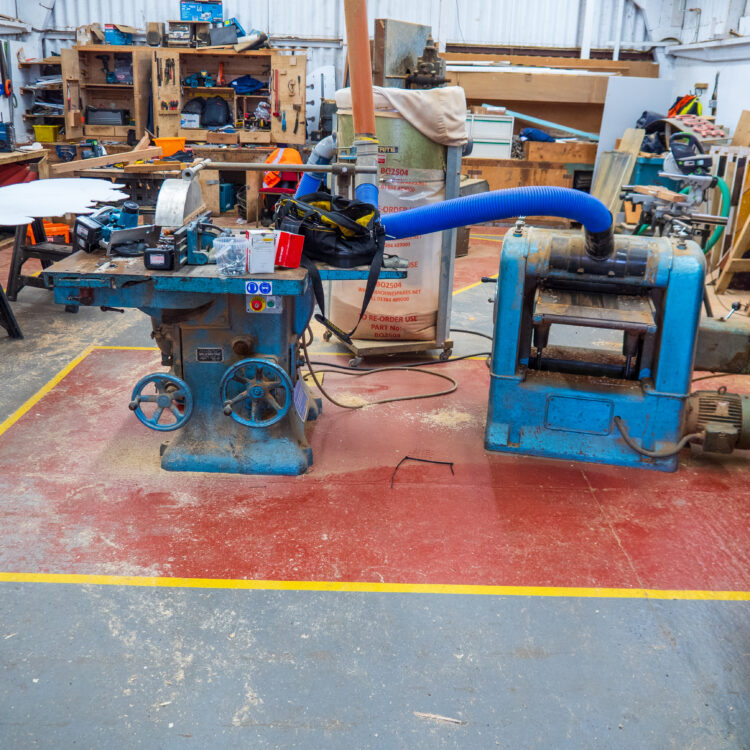
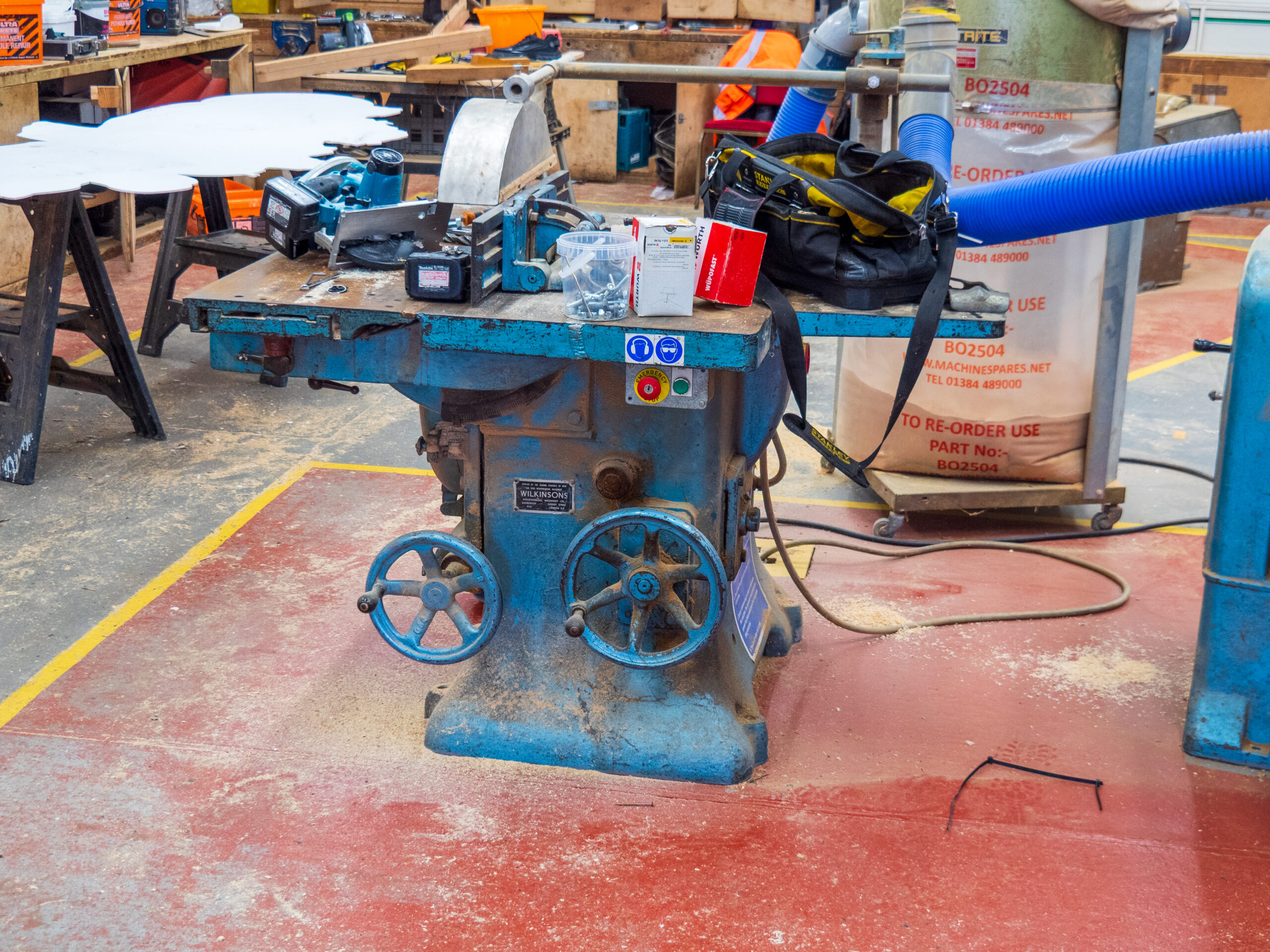
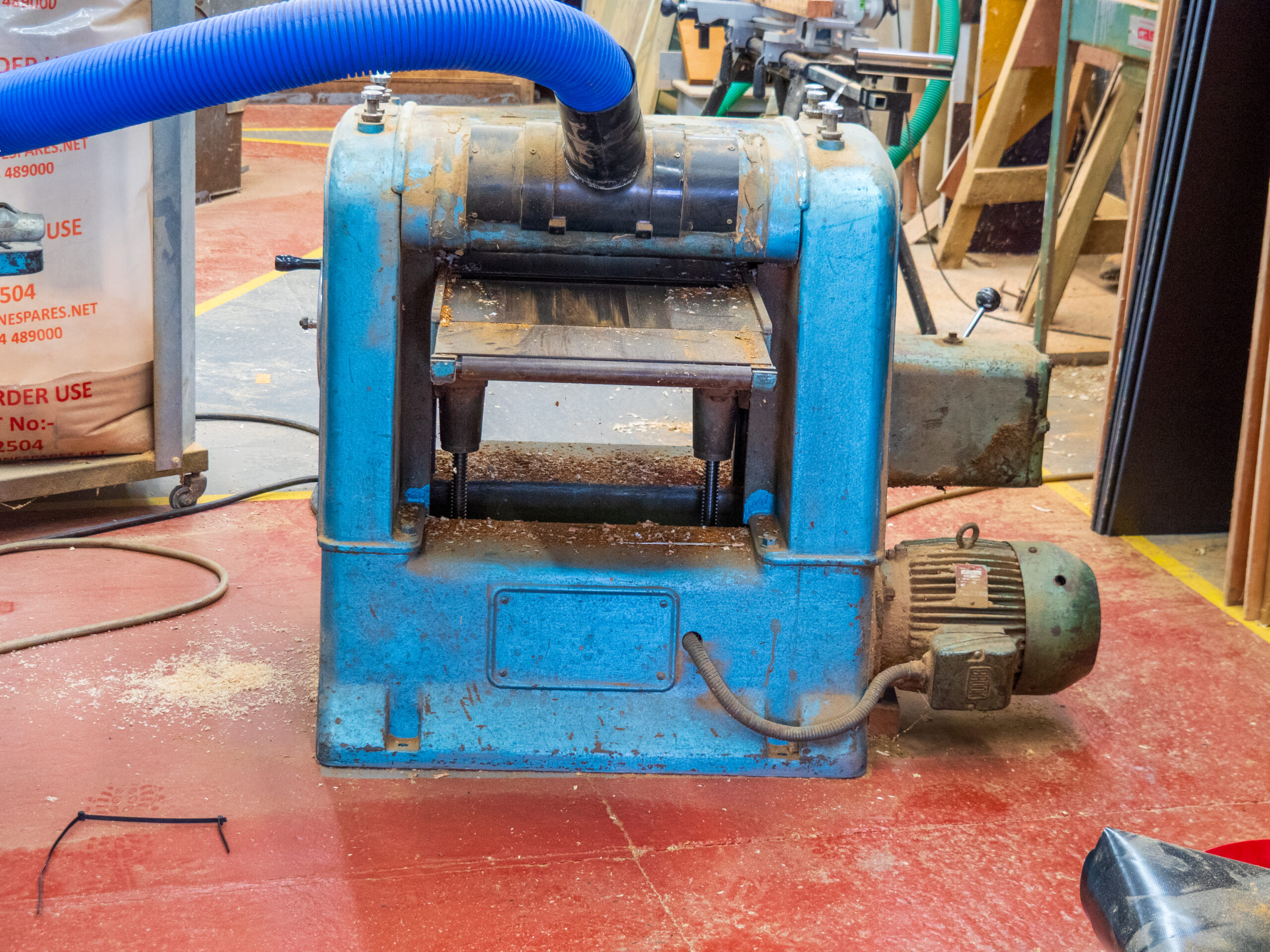
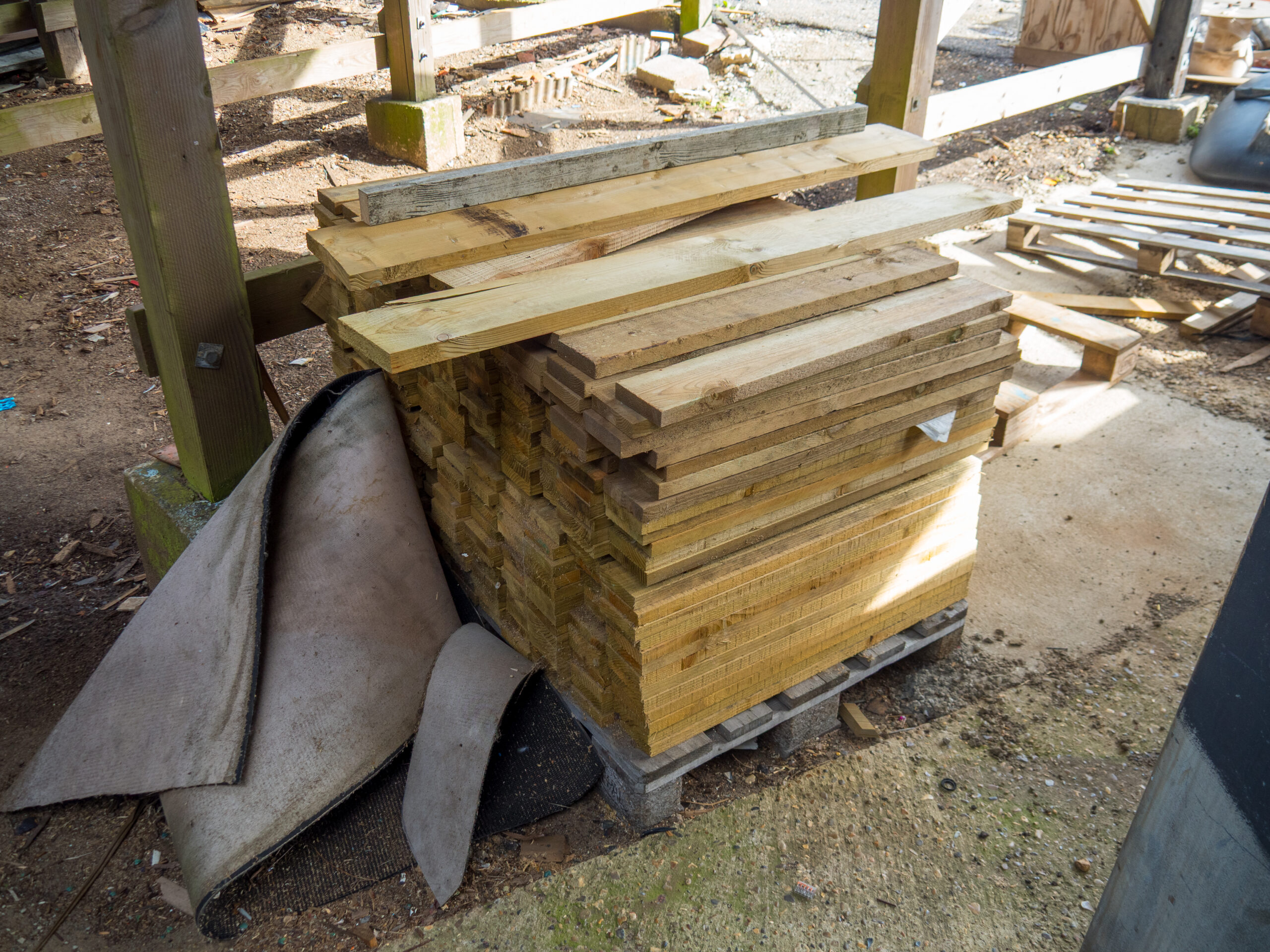
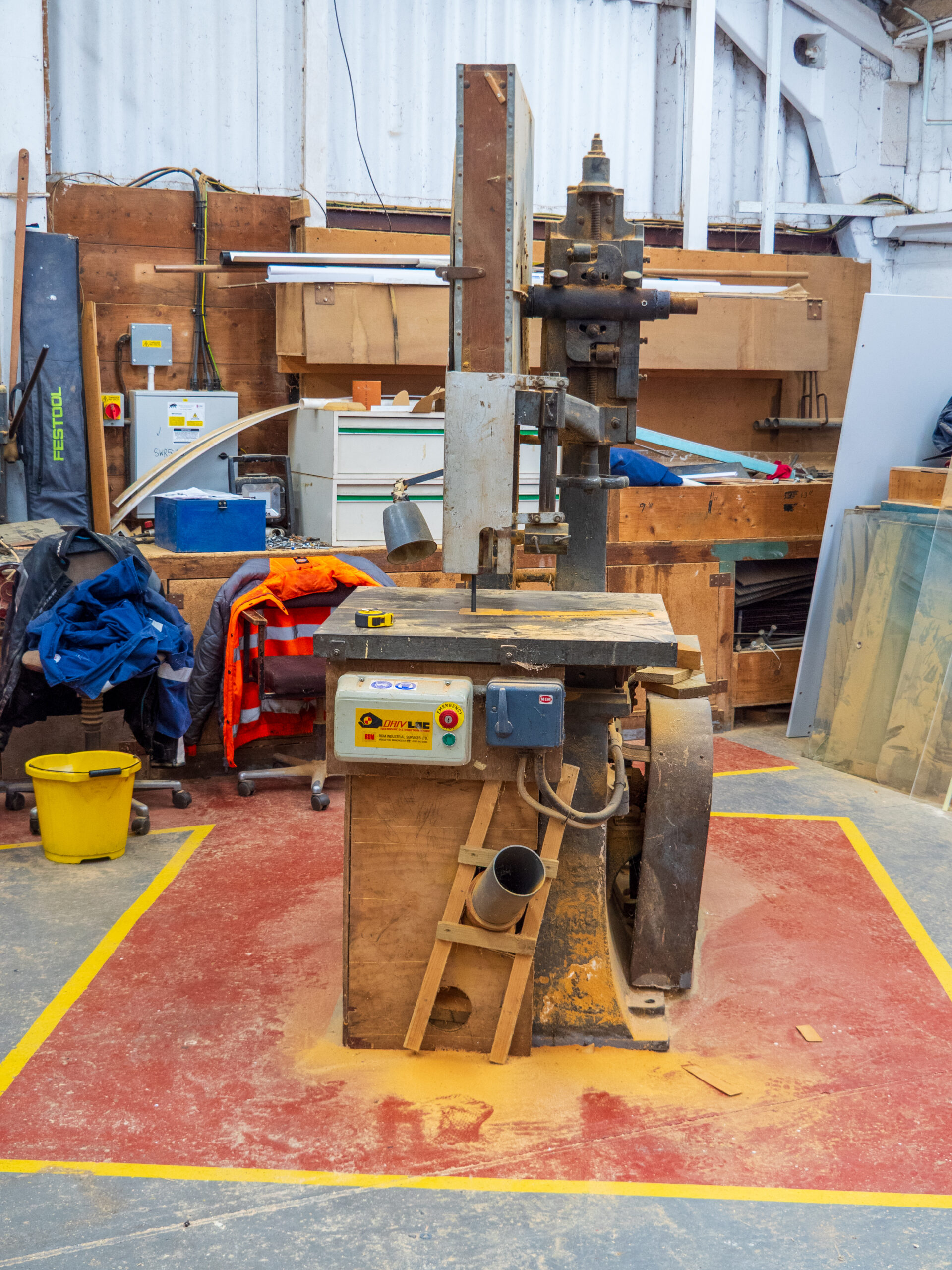
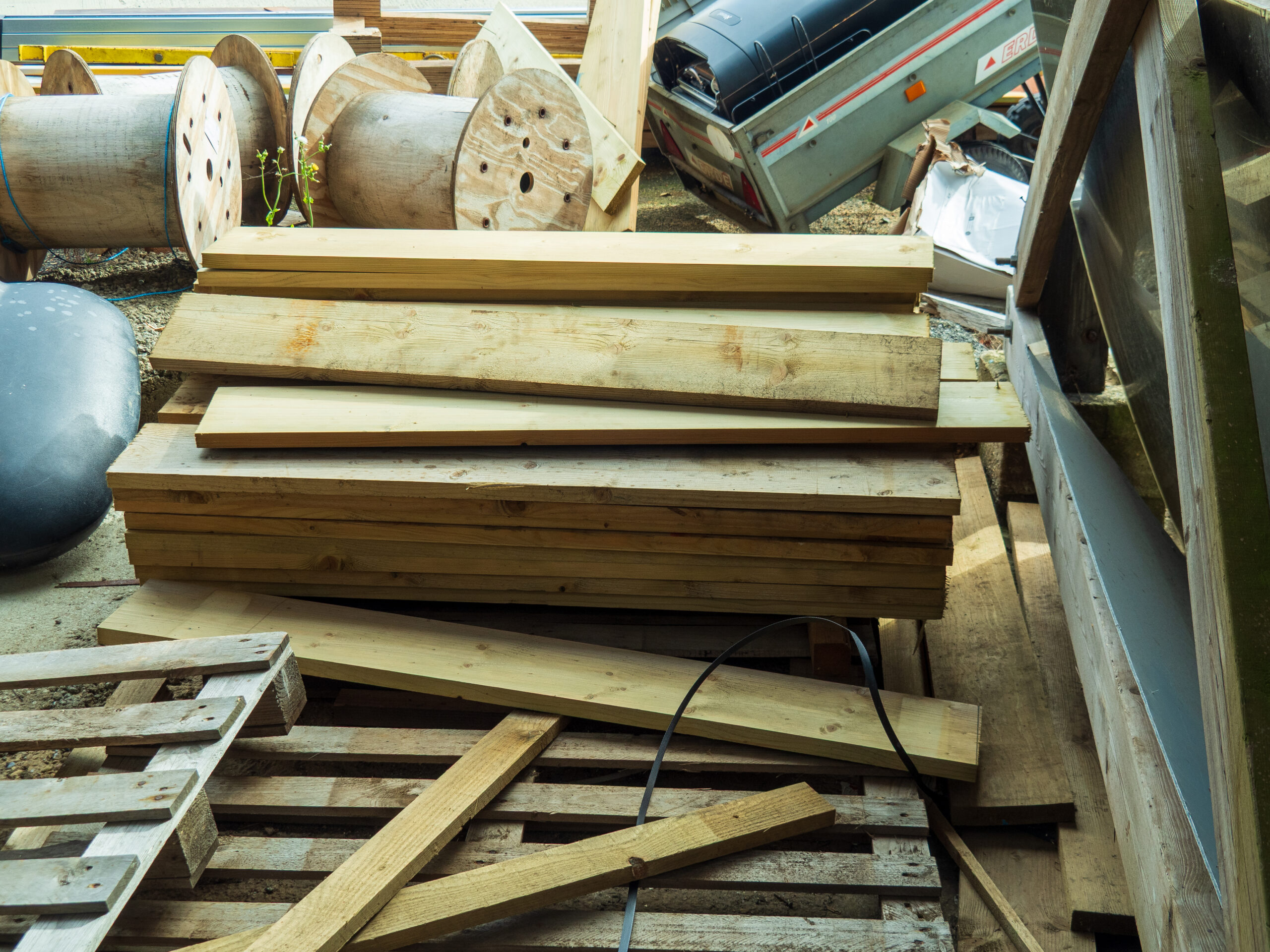
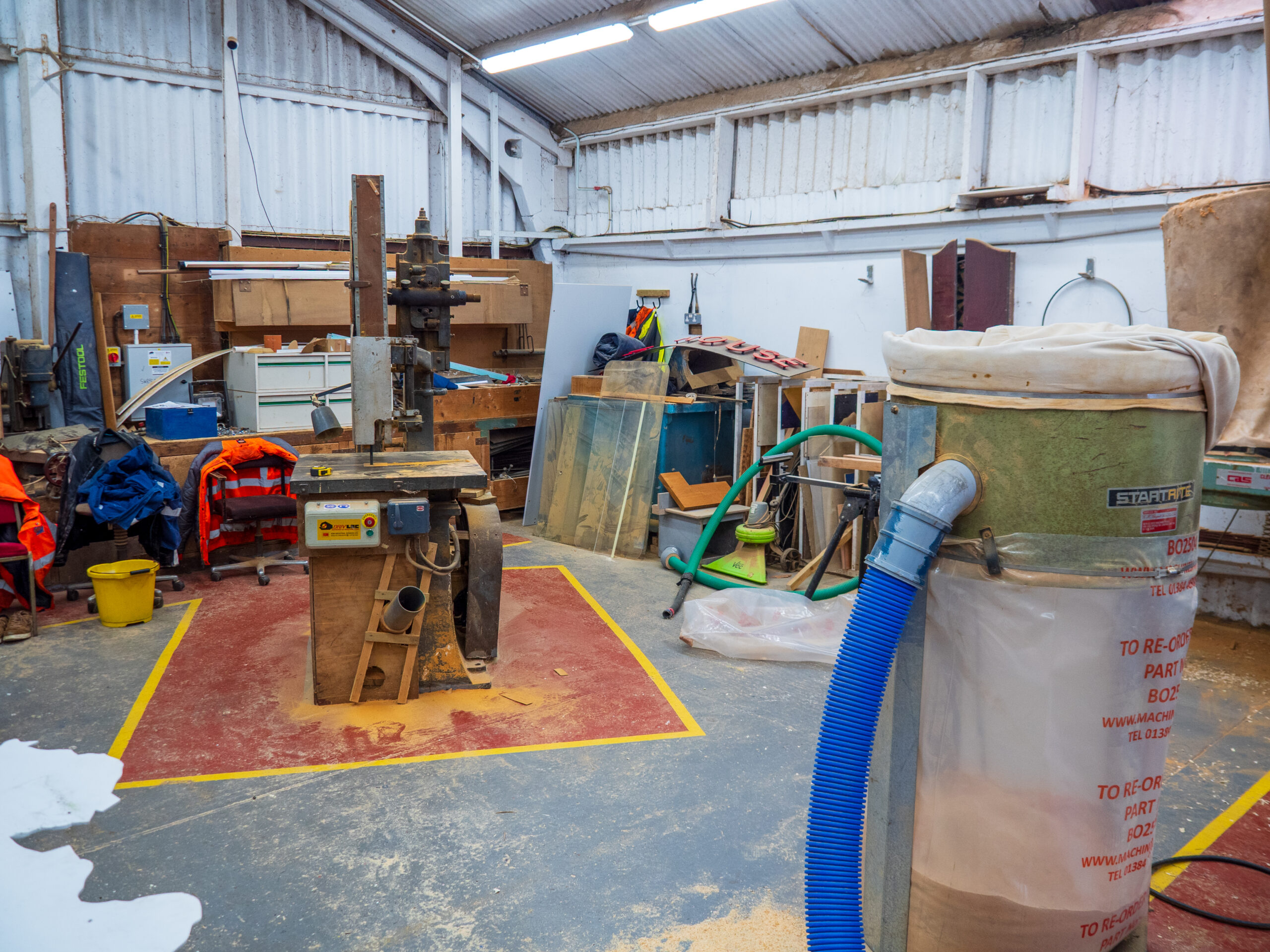
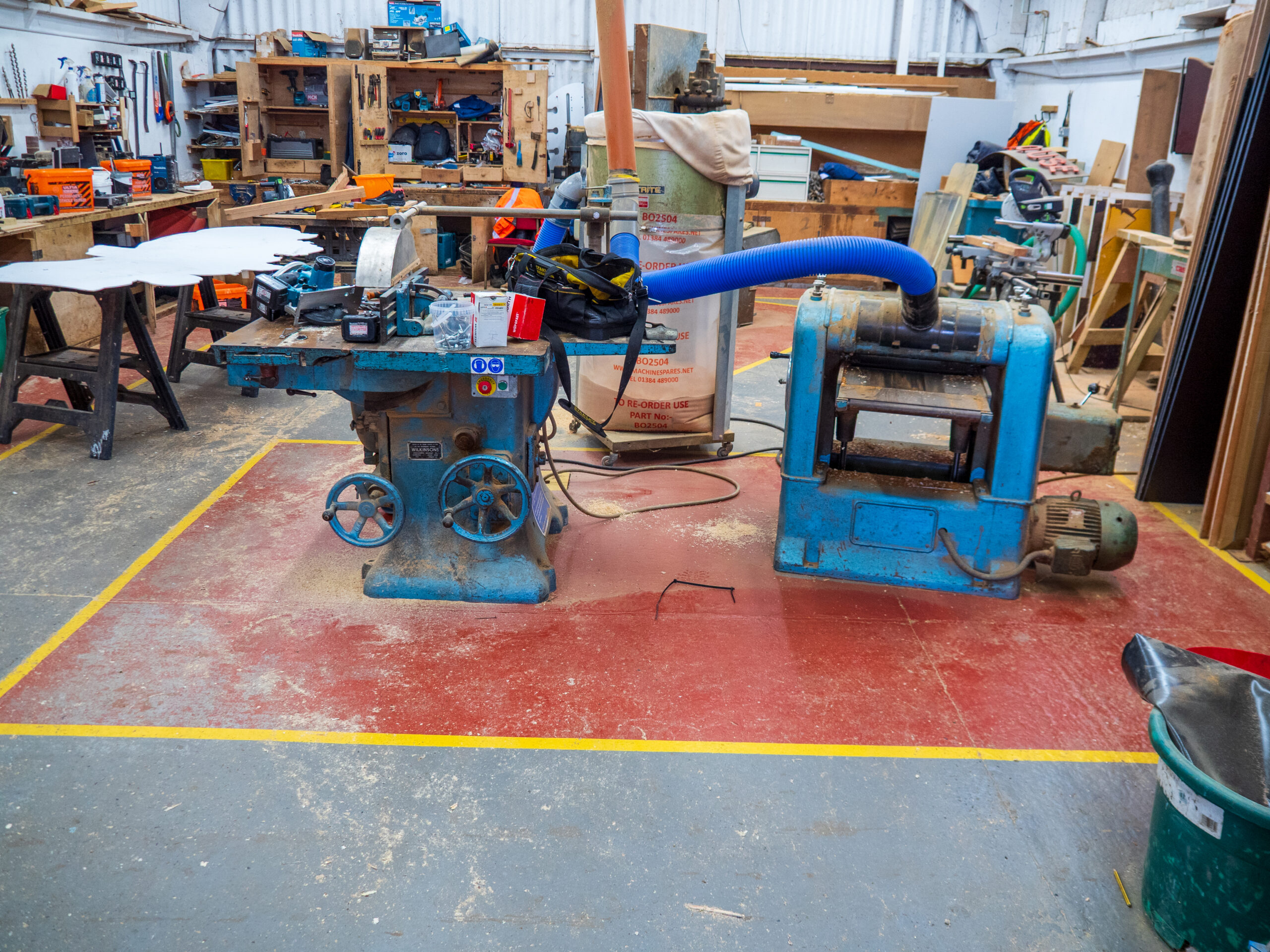
Jamie and Kevin explained how much of the maintenance work is carried out on site. The park’s carpentry shop is equipped with a range of machinery, some dating back to the 1960s, which remains fully operational today. These machines are used to cut and shape replacement timber to the required size before installation.
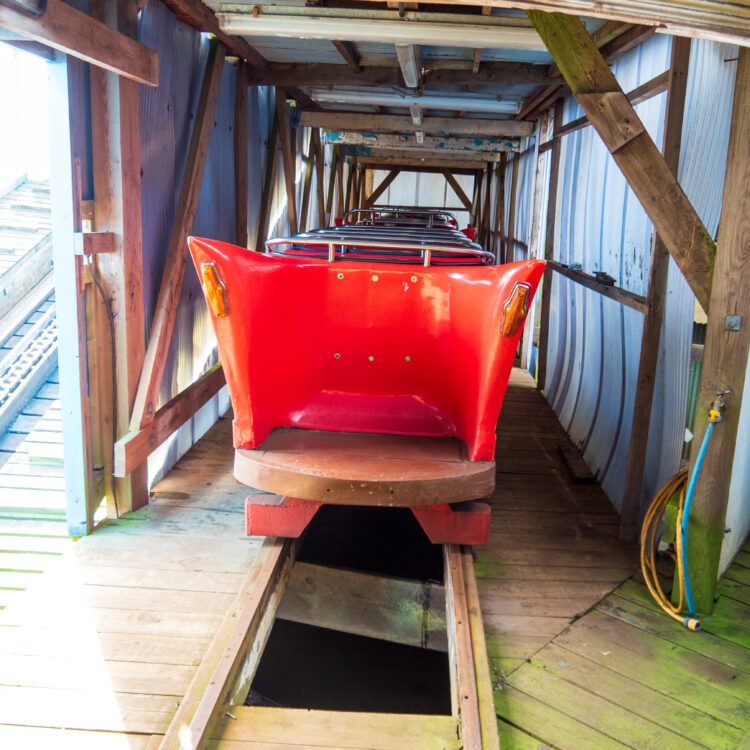
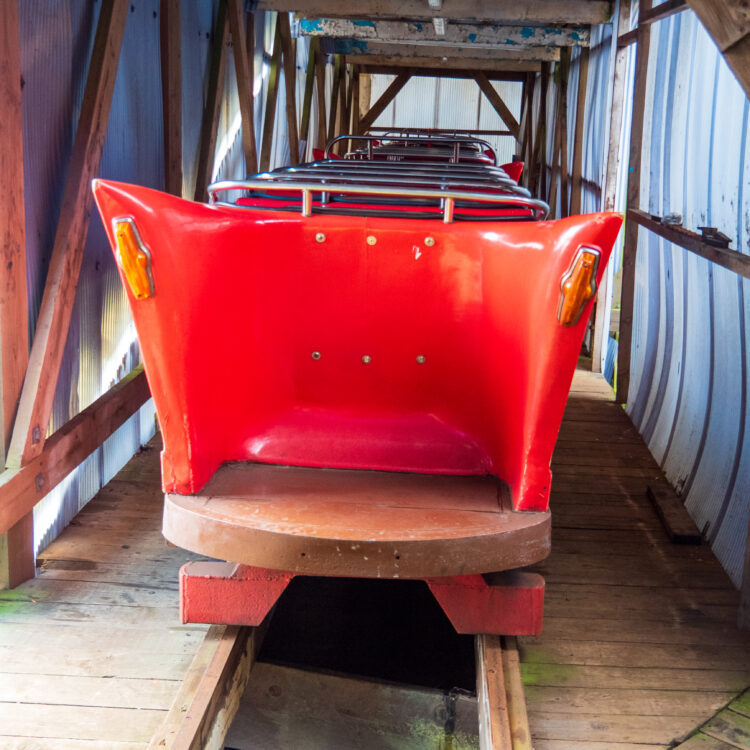
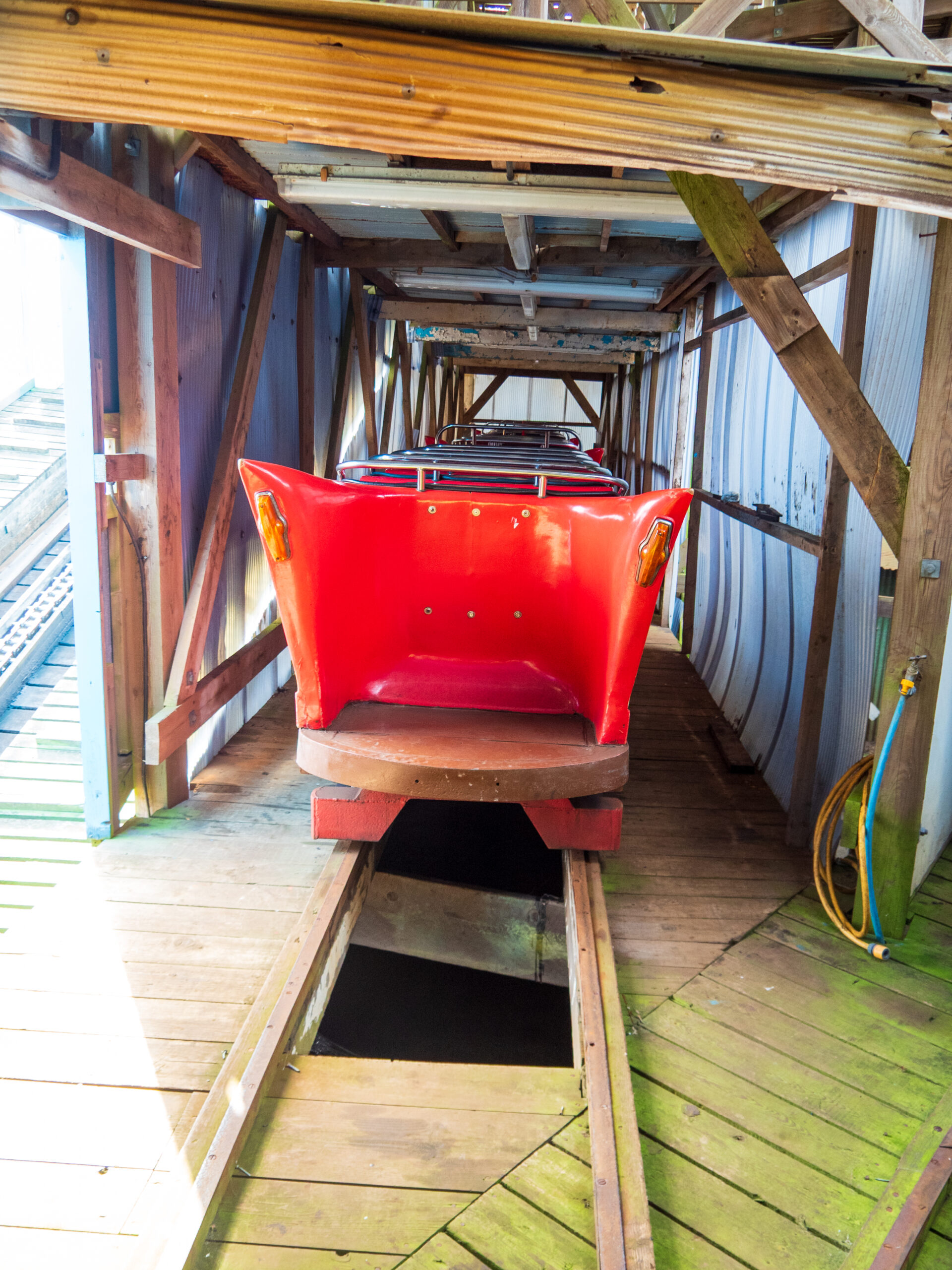
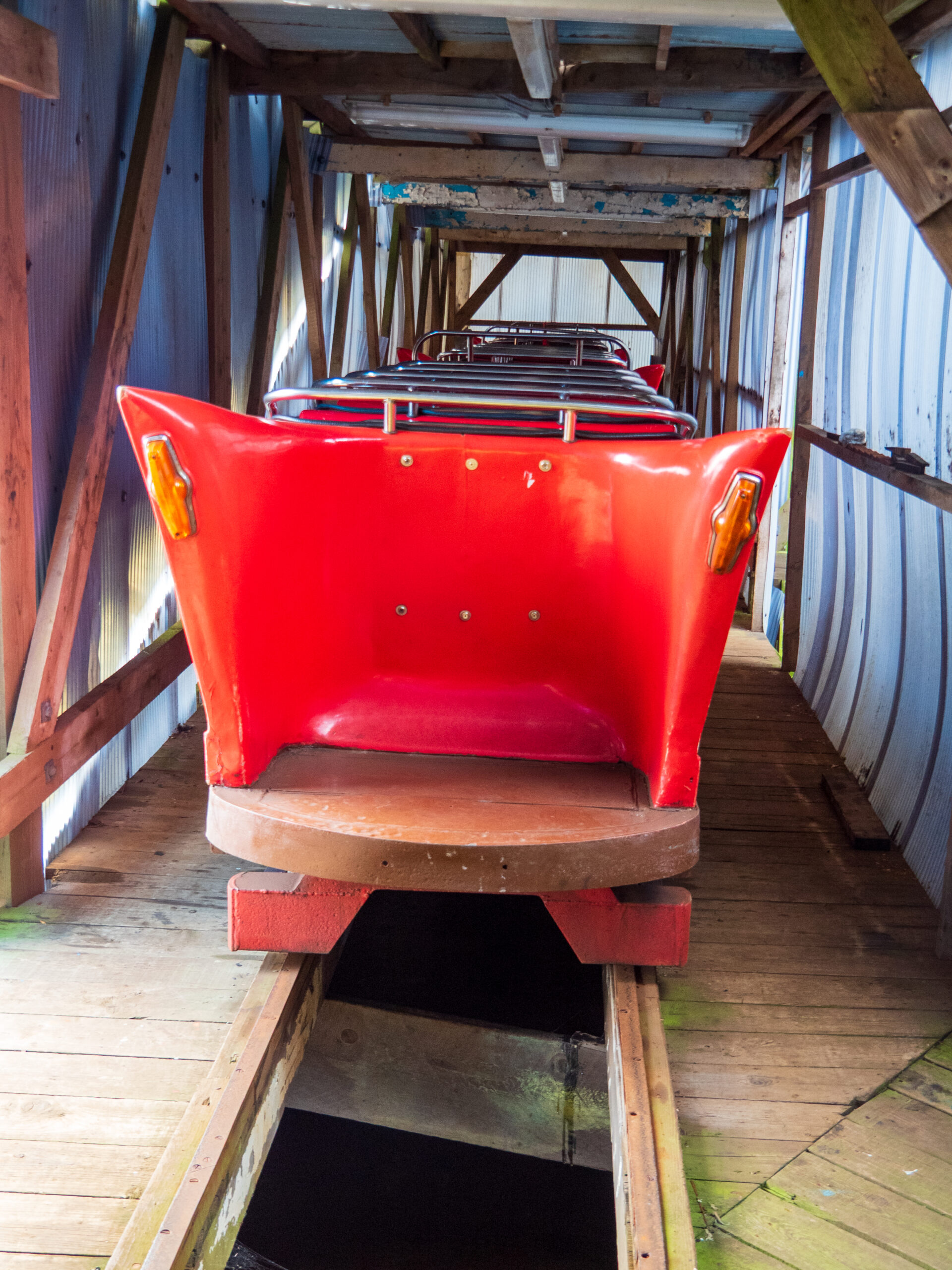
I also learned that the coaster has regular visitors in the form of foxes that wander through its tunnels. During our visit, I was lucky enough to spot one in the tunnel where a train is stored. However, there is no need to worry, as foxes usually leave the site of their own accord or are safely captured and released. They are most often spotted before the park opens during morning checks, or sometimes in the evening after closing. I just wish I had had my camera out at the time to capture the moment.
It was clear from the way Jamie and Kevin were speaking that, while a labour of love, this wooden rollercoaster is a special structure, not only for Great Yarmouth Pleasure Beach, but for the county as a whole.
Special thanks must go to both of them for taking the time out of their day and for allowing me access to bring you this special look at Rollercoaster, and allowing me to go on the first run of the day. It is always a pleasure to work with such a local park, and I look forward to returning when the park opens again in the spring.
1932 – The Scenic Railway arrives in Great Yarmouth from France
The ride was designed by Erich Heidrich of Hamburg. The owner of the Pleasure Beach saw the ride in use at the Colonial Exhibition in Paris and purchased the rollercoaster for €15,000. On February 11, 1932, the attraction arrived in Yarmouth from the French city of Rouen on board the steamer Circe. Special electric cranes were brought to South Quay to unload the precious cargo, which took almost three days.
1946 – The Scenic Railway shortly after the conclusion of World War II
The Scenic Railway opened in April 1932 and quickly became the Pleasure Beach’s main attraction. The ride’s superstructure is entirely timber, predominantly fir and pine. Like most Scenic Railways, it was originally clad in plaster and concrete, sculpted to resemble mountainous terrain. The highest point of the track is 21 metres.
1951 – Track Maintenance
Pleasure Beach maintenance team of 1951 working on track repairs. The track is continuously renewed to keep the ride in good condition.
1960 – Botton Bros: A Mile of a Ride
The Botton Brothers took over ownership of the Pleasure Beach ahead of the 1954 season. This was a company formed by Albert and James Botton, who had operated various rides at travelling fairs around the South-East of England. The brothers branded the Scenic Railway “A Mile of a Ride”, although the track itself officially measures 982.4 metres, making it the second longest Scenic Railway in the world.
1971 – Ted Wadbrook
The mountainous landscape that once adorned the coaster was hand-painted by Ted Wadbrook in the 1960s. Ted and his brother Harry apprenticed their trade by working with the German workforce who built this ride at the Pleasure Beach in 1932. Ted Wadbrook painted the Scenic when the original plaster cladding was removed. He would touch up the paintwork each season until his death in 1982.
1982 – House of Fun
On March 7, 1982, the famous English ska band Madness filmed their music video for “House of Fun” on the Great Yarmouth Pleasure Beach Scenic Railway. The song was released as a one-off single on May 14, 1982, and reached number one in the UK Singles Chart.
1989 – A Change of Appearance
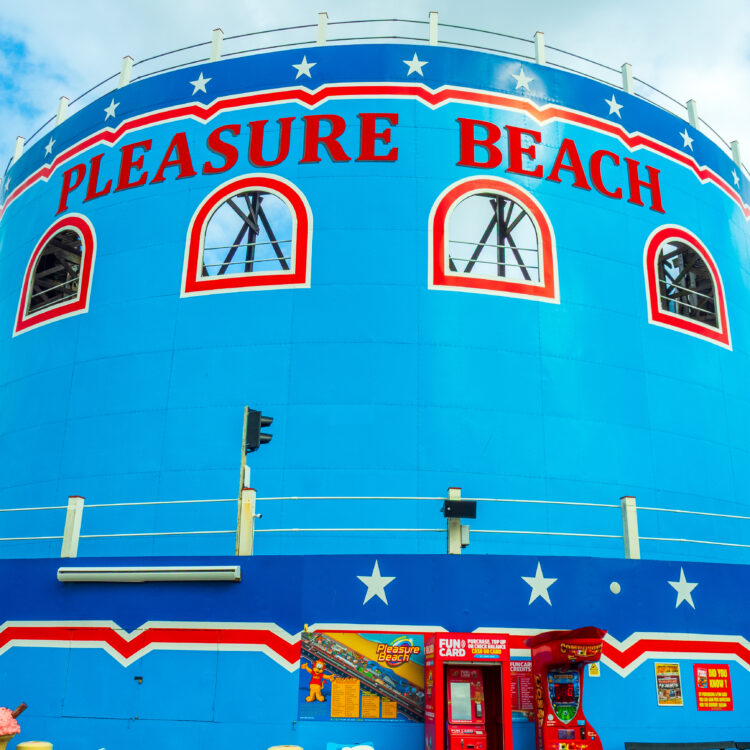
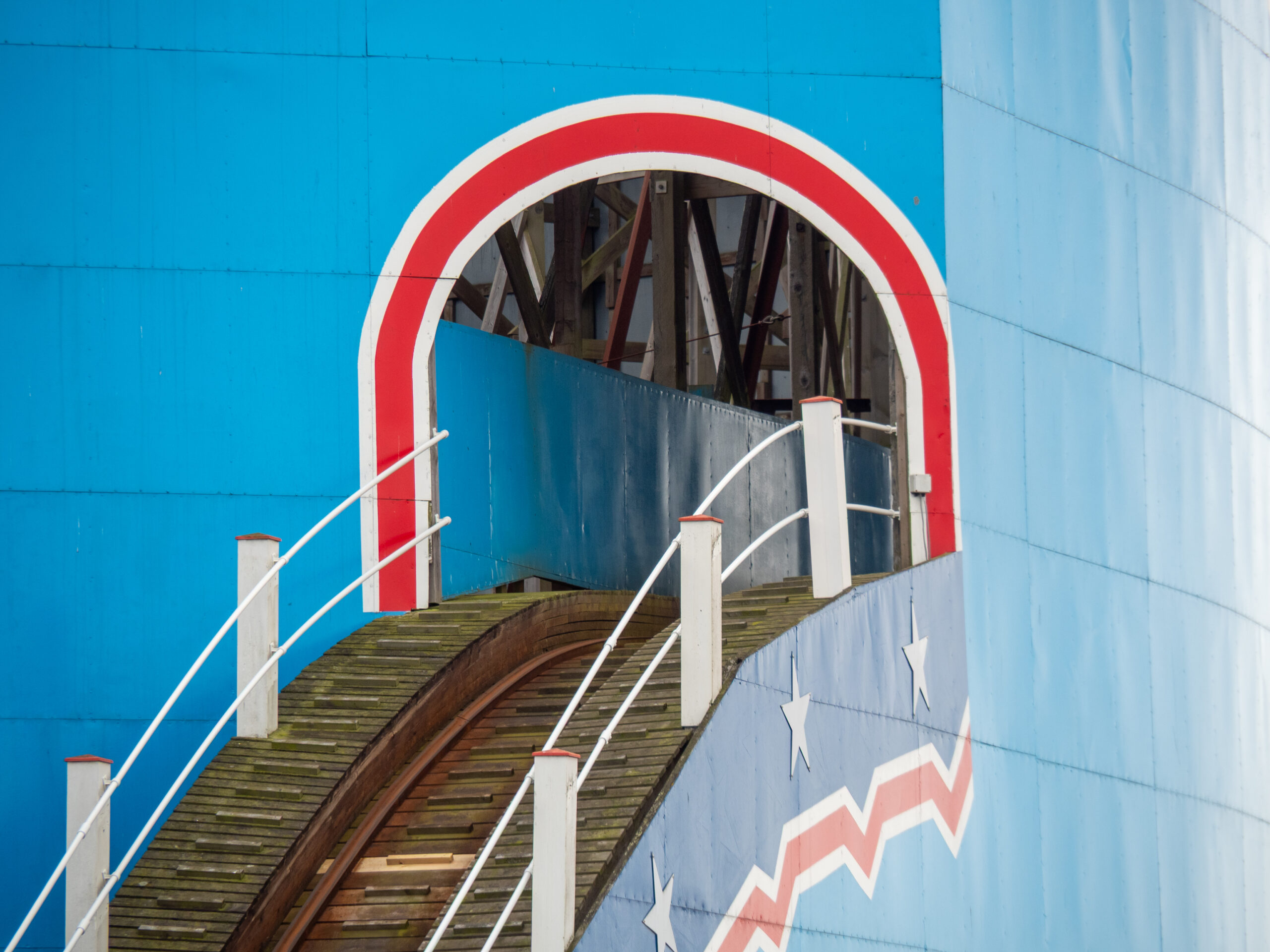
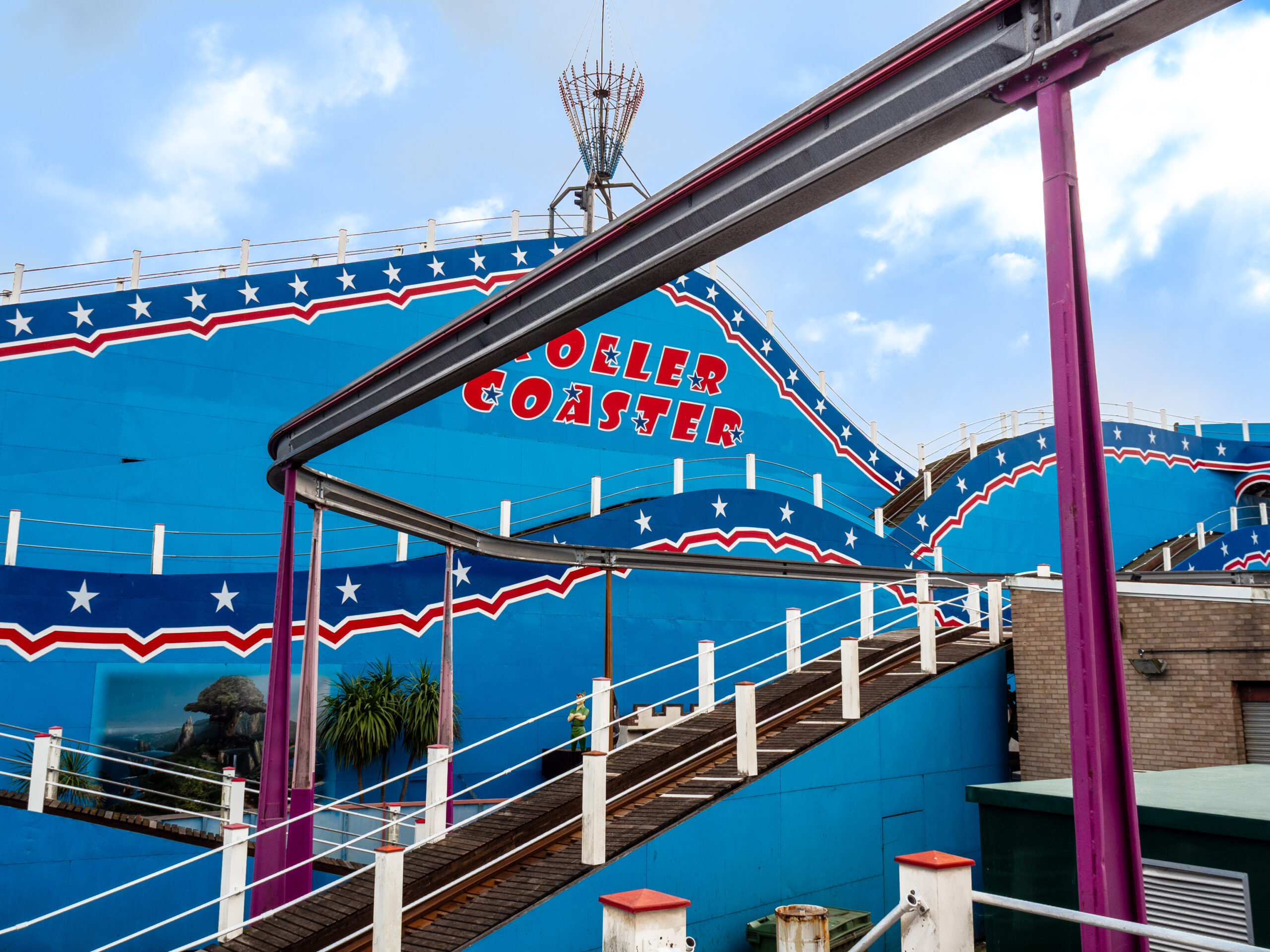
Work to reclad the Scenic Railway began in 1987. Due to the unfortunate passing of Ted Wadbrook, the mountainous scenes previously drawn could not be continued and in 1989, the ride was repainted in the sky-blue colour it bears today.
2016 – Behind the Scenes
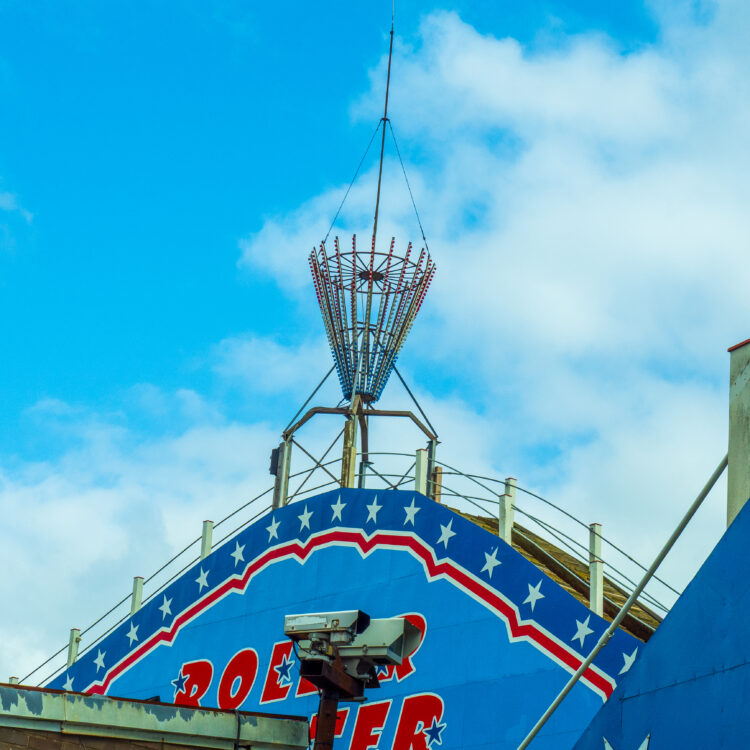
Twenty-six tonnes of steel cladding cover the superstructure of the ride. The main timbers are joined by around eight thousand large bolts. There are approximately seven hundred upright posts, six hundred joists, and three hundred collars. On 18th October 2016 the rollercoaster officially became a Grade II listed building.
2023 – The Modern Day
The Scenic Railway, or rollercoaster as most refer to it, remains the most popular ride in the park. It carries over 3000 passengers on a busy day. It is one of seven Scenic Railways left in the world, and even in today’s modern world, a brakeman still rides with guests, controlling the speed.
2026 – The UK’s Only Scenic Rollercoaster (Updated January 2026)
After the Scenic Railway in Margate, Kent, which opened in 1920, closed at the end of January 2026, the Great Yarmouth Pleasure Beach Scenic Railway, built in 1928, becomes the only one of its kind to be controlled manually by a seated operator using a lever in the UK.hat

Leave a Reply